As the cost of fuel — especially diesel — rises, more companies are looking to move goods by rail.
According to the latest Logistics Managers’ Index, the combined cost of inventory, warehousing, and transportation has risen 18% this year.
Prices are up for consumers, and the stores where they are buying goods are seeing some cost increases, too.
The impacts of tariffs and global conflicts mean the usual cycles of shipping no longer apply.
Slower demand for imports combined with a greater supply of ships means lower shipping costs overall.
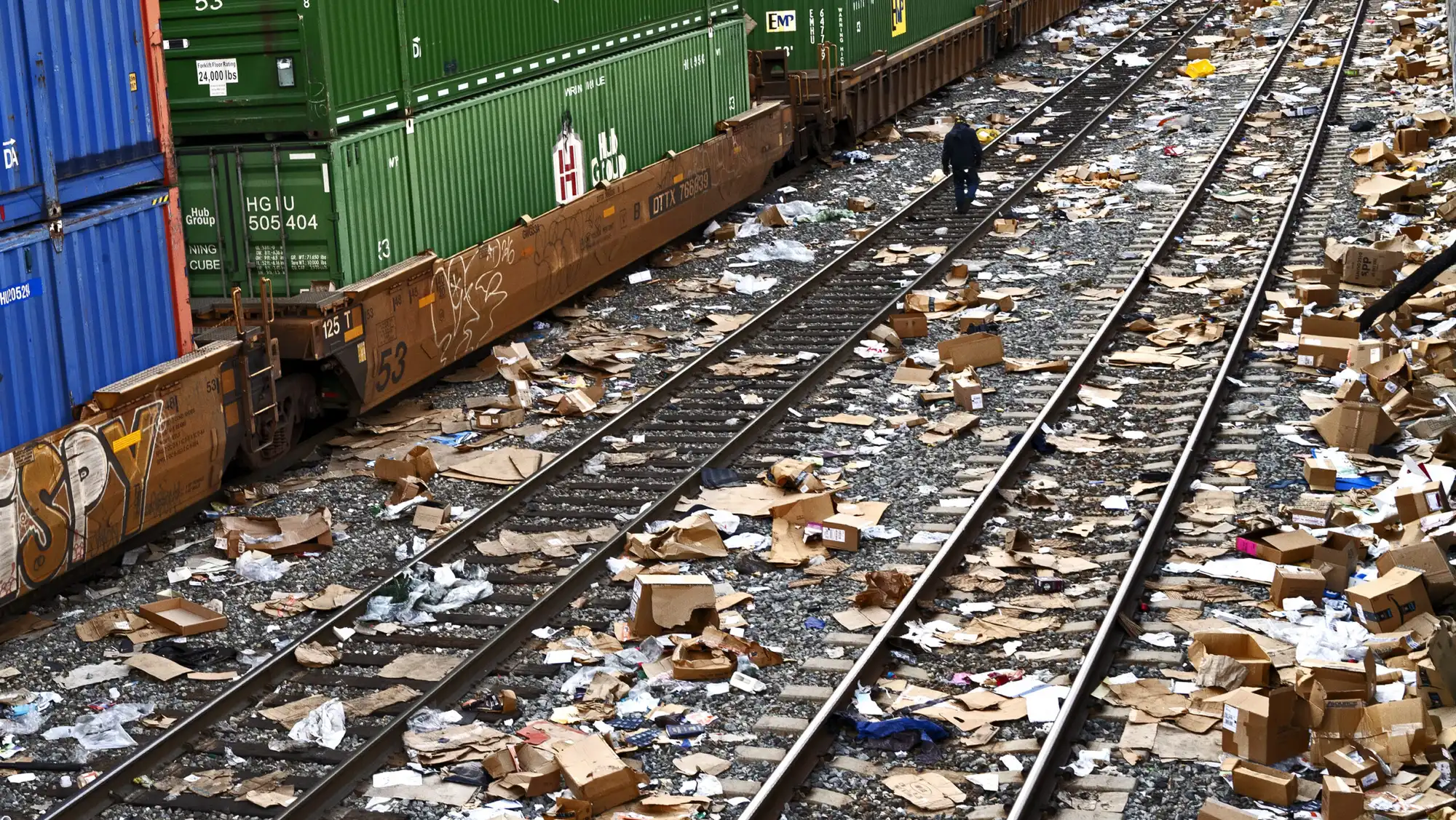
Between miles-long trains and an e-commerce boom, cargo on freight trains has become easy pickings for robbers.
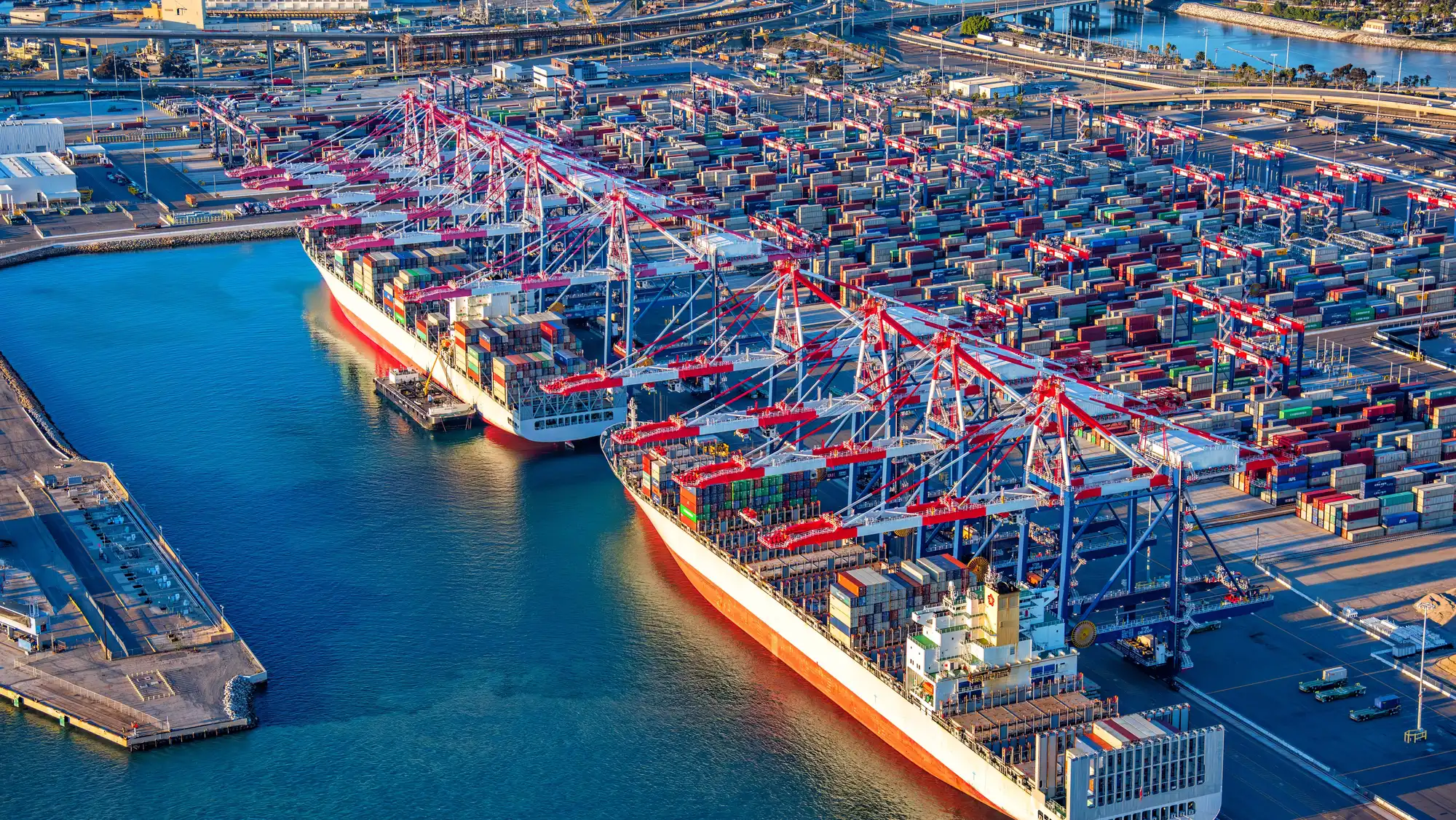
Ahead of potential tariffs, companies are trying to get more foreign goods into the country — and faster. Space seems to be available, unlike a few years ago.
Sue Monaghan’s business is recovering while she navigates obstacles like another possible port strike and proposed tariffs.
If the strike drags on, some imported items could run low. How quickly that happens depends in part on retailers’ and consumers’ ability to stock up.
For months, shippers have been insuring against strike delays by sending their cargo to the other side of the continent.