Schools in the U.S. serve almost 30 million lunches every day. But rising food costs, regulations, and cuts to food assistance mean school kitchens have to do more with less.
Even if they’re employed, people eligible for SNAP benefits may struggle to prove they’re working enough hours to meet work requirements.
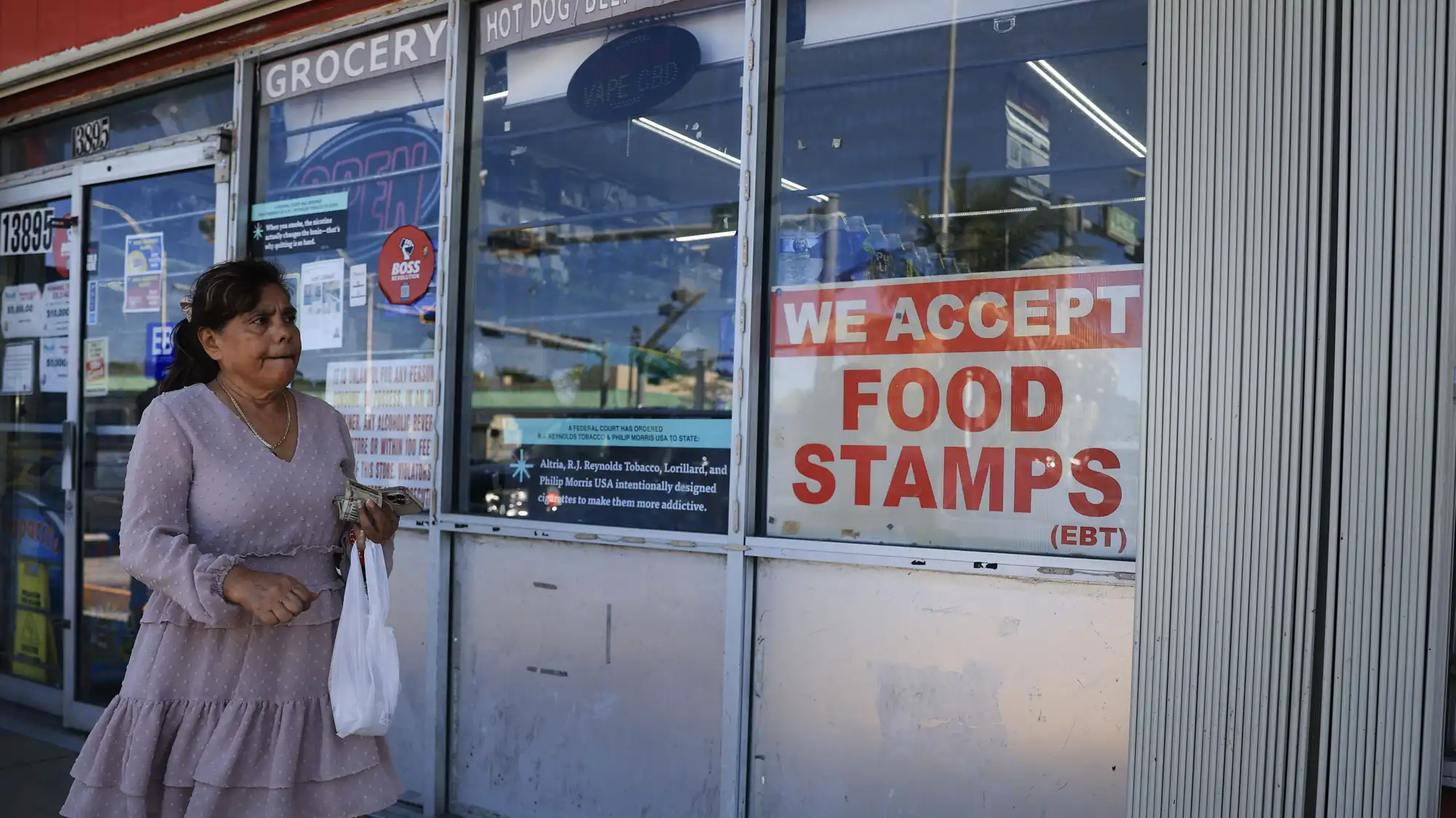
Retailers are facing restrictions on what products can be purchased using SNAP benefits and new requirements for what foods they should stock.
The USDA granted more than 20 states waivers to impose new restrictions on what kinds of foods people can purchase using their benefits.
The changes to the food assistance program could impact benefits for millions of recipients.
By the end of the year, 18 states will limit the purchase of "non-nutritious" food and drinks. What that means is up to the states.
On Giving Tuesday, one of the biggest fundraising days of the year, more than 38 million people gave a record $4 billion to charities.
The view from one location in Central California.
Plus, how communities are stepping up to feed their neighbors.
42 million Americans rely on SNAP.