The U.N.'s two-week conference on climate change is underway in Copenhagen, and displays and advertisements around the city are getting everyone in the mood. Bill Radke talks to KQED reporter Rob Schmitz, who is at the conference.
The White House says TARP will cost $200 billion less than expected. This is mainly due to banks paying back what they borrowed. Bill Radke talks to Marketplace's Ashley Milne-Tyte about where the money might go now.
Goldman Sachs plans to hand out almost $17 billion in bonuses, and the financial firm wants to ease the fears of shareholders who think too much of the firm's profits are going to its employees. Jeremy Hobson reports.
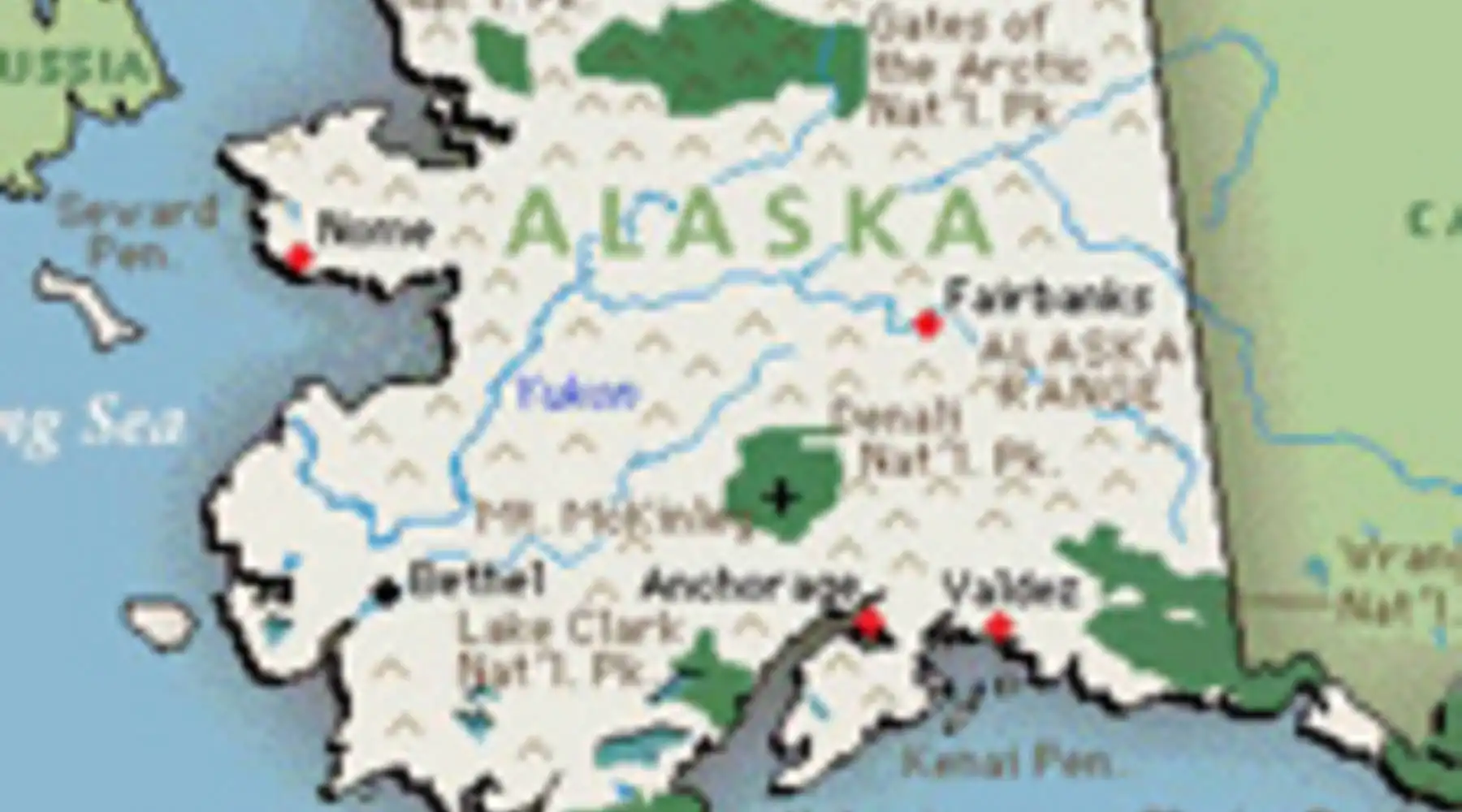
The U.S. purchased Alaska from Russia in 1867 for about $7 million, or 2 cents an acre. But Stacey Vanek-Smith talks to Professor David Barker of the University of Iowa about why it wasn't such a good deal in the long run.
Ad agency BBDO, which has done ads for Chrysler for decades, will soon be closing its Detroit office, leaving 500 people out of work. And Chrysler isn't the only car maker looking for a new ad agent. Alisa Roth reports.
The November UE rate fell slightly and stocks have been in neutral ever since. Bill Radke talks with Sam Stovall, chief investment strategist at S&P Equity Research.
Online auctioneer giant e-Bay is in a Delaware courtroom today fighting for a seat on the board of Craigslist. Bob Moon explains how the case began and where it gets confusing.
A lot of the money that was slated for TARP now is probably going to go to funding job creation. Stacey Vanek-Smith talks with Senator Judd Gregg from New Hampshire, who explains why the money would be better used paying off the national debt.


 Apple
Apple Spotify
 Amazon
 RSS
RSS