Though incomes are rising, savings are down for many Americans. Plus: An ex-auto parts clerk remembers counting inventory by hand and manufacturing booms in some regions while struggling in others.
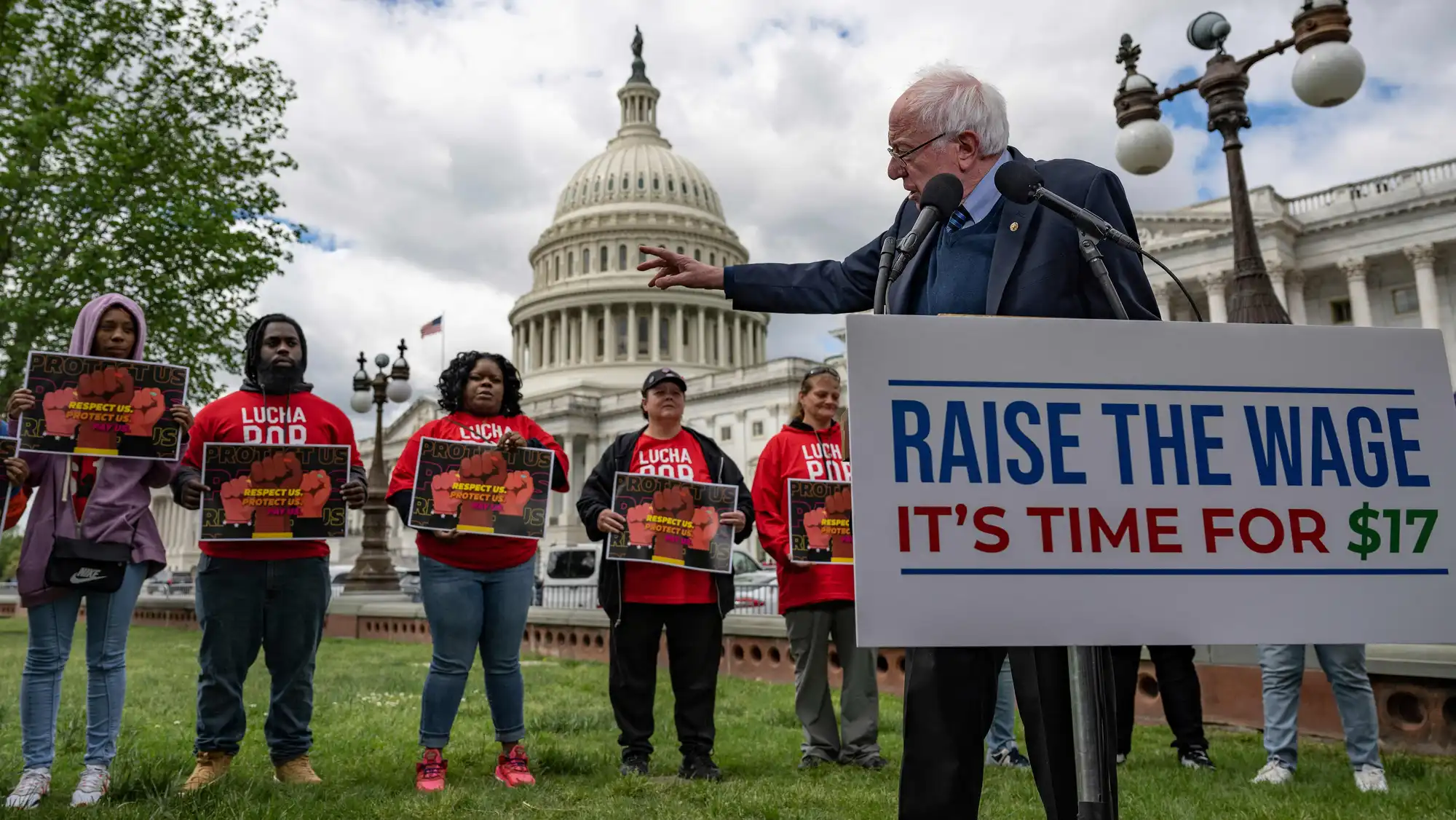
Adjusted for inflation, the current minimum wage has the least purchasing power since 1949. Why won’t Congress increase it? Plus, tax reform in China and DIY vehicles in New York.
The home diagnostics industry allows patients to test themselves for illnesses and allergies in the comfort of their homes. Some medical experts are wary of on-demand medicine, but health tech investors Chrissy Farr and Anarghya Vardhana say it makes care more accessible.
Popular job-related slang might tell us where the labor market is headed. Plus, to point students toward viable careers, educators visit the Port of Baltimore.
Harris’ campaign will likely spend earlier on introductory ads than if Biden were at the top of the ticket. The GOP will need to pivot spending to take on a new opponent.
Not really, apparently. Or at least not yet. Plus, what might happen to the president’s infrastructure initiatives now that he won’t serve a second term.
Economic markets take a beat to adjust to Biden’s big election announcement; what the entire cybersecurity industry can learn from Friday’s CrowdStrike outage; and a new law makes it easier to pull emergency cash from a retirement account.
On the heels of the President’s announcement that he won’t seek re-election, assessing how history will remember the Biden economy. Plus, continued fallout from Friday’s CrowdStrike outage and global tech meltdown.
From the BBC World Service: After Joe Biden announced he’s dropping out of the presidential race, Kamala Harris has secured the backing of some of the Democrats’ biggest donors; so what are investors thinking?