When it comes to dinner reservations, 6 p.m. is the new 8 p.m. In other food news, franchises roll with the economic changes and orange egg yolks may be a marketing ruse.
UAW expanded strikes against Stellantis, GM and announced progress with Ford; Hollywood writers, studios continue talks; Texas judge declines to block Biden ESG rule; Amazon to start showing ads on Prime Video.
The owner of the Liverpool-based Everton soccer club has agreed to sell to a Miami-based investment group. What’s behind the surge in Transatlantic team ownership?
Aid to child care centers will start to disappear at the end of the month, while federal spending on kids has dipped. We also do the numbers on
a government shutdown.
From the BBC World Service: The United Kingdom is set to clear a fresh Microsoft-Activision deal. Then, strikes end at Chevron’s Australia LNG plants. Later: recapping this week’s interest rate decisions.
Elizabeth Laird of the Center for Democracy & Technology recounts artificial intelligence’s chaotic introduction into education. Disabled students in particular are using AI more, she says, and getting into trouble more.
The 1973 gasoline crunch forced Americans to cut their energy use. Why didn’t we stay on track with fuel efficiency? Plus, why some campaign ads cost more than others.
Goldman Sachs now forecasts rate cuts in Q4 of 2024; Murdoch stepping down as chairman of Fox, News Corp; leading economic indicators index down 3.8% in six months; initial jobless claims decline to 200,000; existing home sales fall 0.7% in August.
From the BBC World Service: Poland says it will no longer supply Ukraine with arms in a dispute over grain imports. Plus, would India be ready for Tesla’s expansion there?
About two thirds of the 64 million Latinos in the U.S. speak “Spanglish” a mix of English and Spanish, according to a new report out today by the Pew Research Center. Advertisers are paying close attention.
The U.S. isn’t usually thrilled when a country intervenes in its own currency. But boosting the yen is likely to help Japan’s economy, which could help the U.S. in turn.
A human name, like Anthropic’s Claude? A helpful assistant, like Microsoft’s Copilot? Nailing the right name for generative AI is a tricky branding exercise.
Ford, Uniform reach deal that needs workers’ ratification; UAW says workers are now striking at an Alabama auto supplier plant; Government shutdown will likely prevent Fed rate hike in November, PIMCO says; White House launching Climate Corps jobs program.
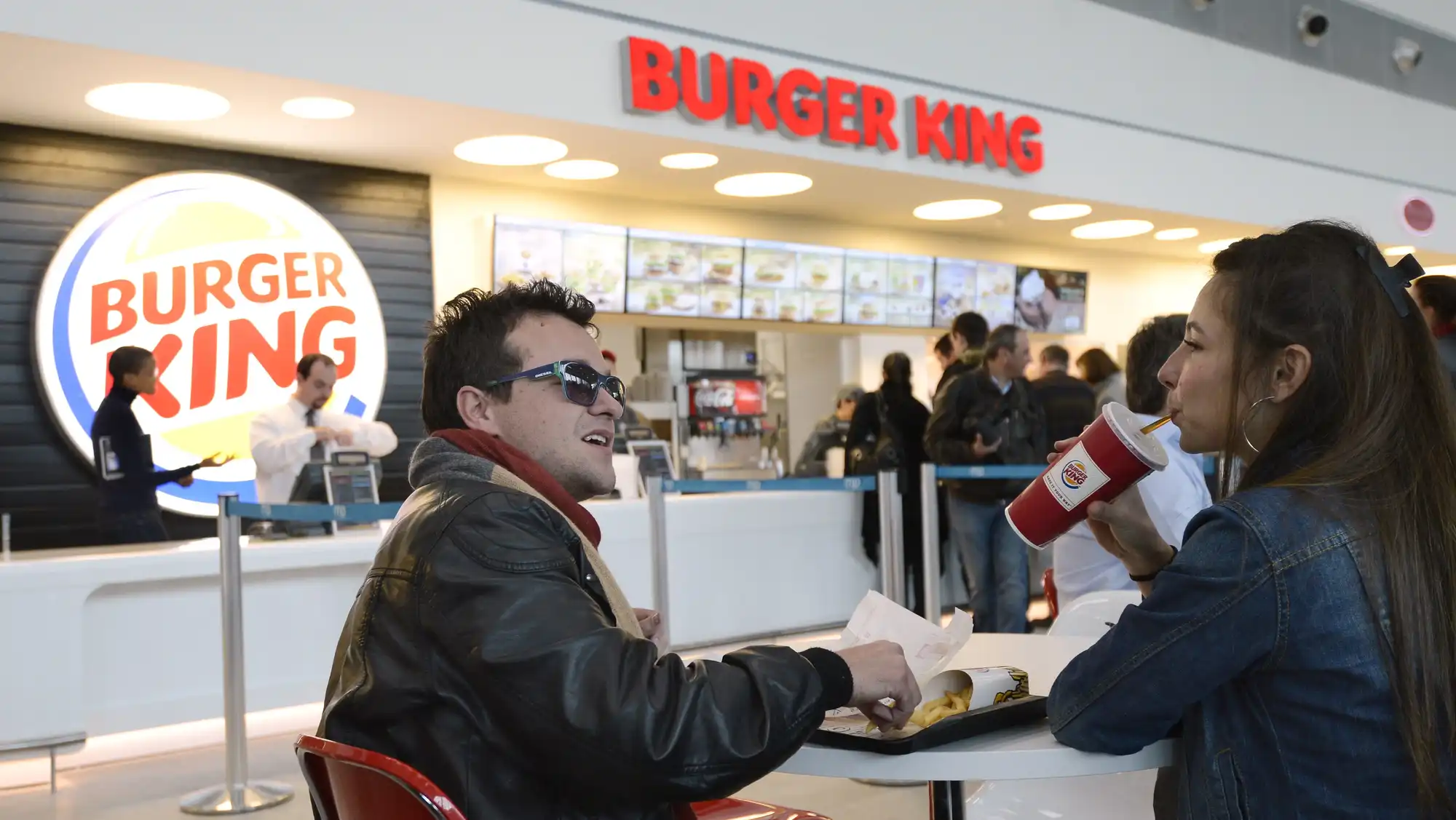
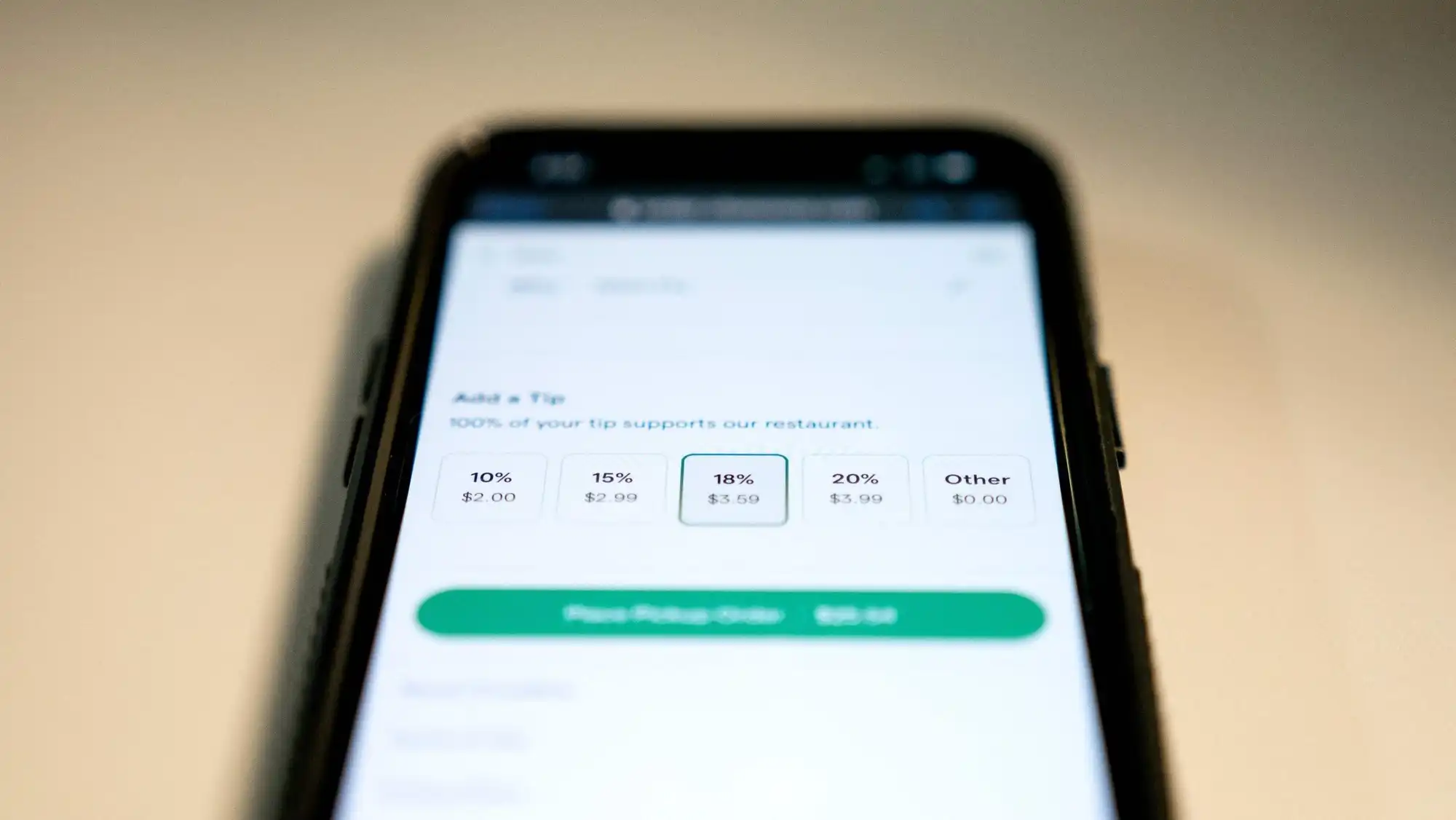
We help you navigate the changing norms around tipping. Plus, we preview “the main event” of today’s Fed meeting — and we’re not talking about an interest rate announcement.
Millions of homeowners in the U.S. are paying insurance premiums lower than what’s needed to cover the risk they face from climate change. A price correction is coming.
From the BBC World Service: Japan’s seafood exports crater 70% after China’s embargoes over the Fukushima water release. Then, a potential delay to the U.K.’s ban on gas-powered cars and Venice’s ban on day-trippers.
Companies are competing to create better tech for systems that can save lives during seismic events. This type of investment used to be funded only by governments, but that’s changing.
Journalist Kashmir Hill spent the last four years writing about a company that says it can find any face anywhere on the internet. Her conclusion? Clearview AI is changing privacy as we know it.
We’ll explore how COVID upended the tip-based restaurant industry and where we go from here. But first: Where does the Fed think the economy is headed?
From the BBC World Service: Major brands are severing ties with Johnny and Associates, Japan’s biggest talent agency, following a sex abuse scandal. Then, a closer examination of the Libyan dam disaster.
National security and censorship often come up in the contenders’ tech-centered rhetoric, and a lot of it revolves around China, says Dave Weigel, politics reporter for the news website Semafor.
Or could furlough you at any moment? Increasingly, government jobs are a tough sell. Plus, why digital retailers like Instacart are becoming big ad platforms.
Policymakers are meeting this week, with a decision expected Wednesday; UAW resumes contract talks with Detroit’s Big Three; California suing oil companies over climate change; Yellow plans to auction off its 12,000 trucks.
Paying interest goes against Islamic rules on finance. Now, more institutions are offering Islamic mortgage solutions. Plus, what happens if the UAW strike grows?
Islamic finance offers alternatives to conventional loans and mortgages to comply with a religious prohibition on interest, which is seen as financial exploitation.
Striking workers are angry about automakers’ reliance on temporary and “tiered” workers. How did the industry get here? Plus, a look at the current investor gold rush.
From the BBC World Service: Small Italian islands near North Africa are struggling to cope with the influx of migrants, per the Italian government. Plus, examining record gold prices and gender representation in Japan’s cabinet posts.
The atmosphere at Apple’s iPhone 15 gala last week was subdued, Wired’s Lauren Goode reports. The smartphone market is “generally saturated,” she says. “I think people are thinking more critically about whether they actually need to upgrade.”