Banks loaned billions for Elon Musk’s Twitter purchase. Now, they’re trying to offload that debt. Plus, graduating into a recession has silver linings.
Christopher Low of FHN Financial helps us look beyond the good feelings behind recent market activity. The BBC reports on how China will start to loosen some strict zero-COVID regulations. Also, we check in on the COP27 climate summit. Art critic Blake Gopnik discusses the billion-dollar auction of the collection of Paul Allen.
That surge is expected to continue into today. Arizona voters took a big step toward transparency in election financing. Also, we discuss what a U.S. government with divided power could economically mean for Democrats.
From the BBC World Service: Hong Kong’s tech-heavy Hang Seng surged nearly 8% on Friday, with market rallies in Shanghai and Tokyo. Plus, Singles Day in China – the biggest shopping day of the year – saw estimated sales nearly 5% lower than last year. Also, U.S. Treasury Secretary Yellen is in India to try to bolster trade ties. And, a film 90 years in the making is finally hitting the silver screen.
Inflation cooled down in October, but how excited should we get about one month’s data? Plus, rapid resettlement of Afghans left many refugee agencies scrambling this past year.
Is this a sign that the higher interest rates are working? We discuss with Diane Swonk of KPMG. Then, we have more on the aftermath of the fallen Binance-FTX deal. Seasonal hiring has appeared to slow down this year. Also, slavery as a form of criminal punishment was a thing in several states until voters closed a legal loophole.
We take a peek into the fallout from the failed bailout pact between crypto exchanges Binance and FTX. Also, we delve more into the developing election results and their possible impact on economic policy.
From the BBC World Service: One of the world’s biggest cryptocurrency exchanges, FTX, is on the brink of collapse. A bailout deal it struck with archrival Binance on Wednesday has fallen through. Plus, a new survey says the influence of fossil-fuel lobbyists at climate talks has risen significantly in recent years. And, the costs of supporting migrants who are rescued at sea.
Tech downturns “create space for new companies,” says Margaret O’Mara of the University of Washington. This time around, the bust is happening to a massive industry whose products are everywhere.
“I said, what can I do to stop this? And the customer service rep. goes, ‘Well, if we could stop all instances of fraud, we would but we can’t,'” says Jessica Roy, assistant editor of Utility Journalism at The Los Angeles Times.
Political scientist Ian Bremmer helps us figure out economic takeaways from the aftermath of Election Day. David Kelly of J.P. Morgan talks about the impact of possible Republican control of the House. A drought has sapped the water levels of the Mississippi River, and farmers are struggling as a result.
We discuss some potential election outcomes and how they could affect the economy. Big spending on state ballot measures led to some mixed results. The waves of tech layoffs have actually endangered the ability of many people to stay in the U.S.
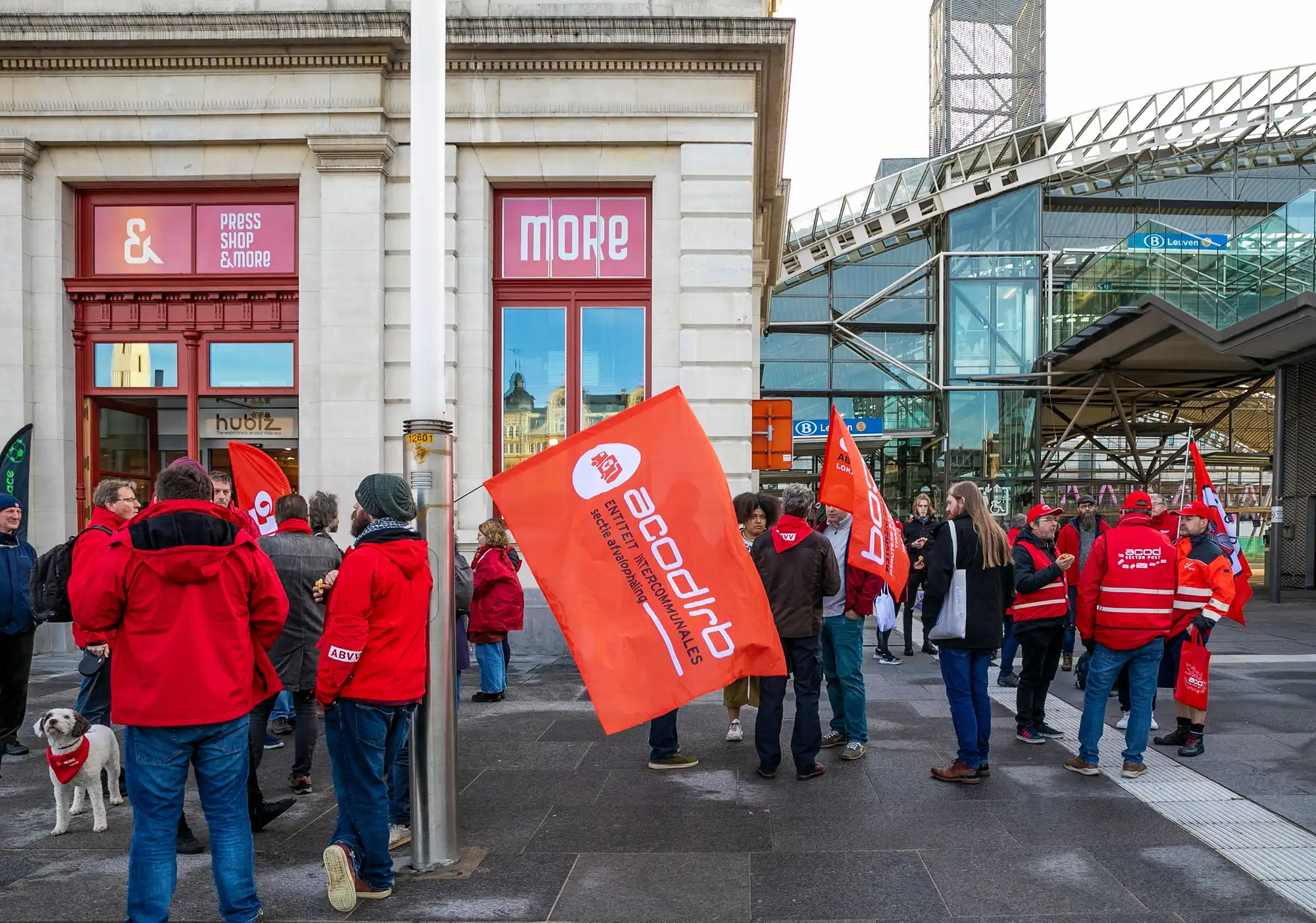
From the BBC World Service: Only two European Union countries tie mandatory pay raises for the public and private sector to consumer price inflation: Belgium and Luxembourg. But workers in Belgium say those increases aren’t enough, so they’re walking out and demanding more. Plus, Twitter has laid off most workers at its Africa office in Ghana. And, India says it will continue to buy Russian crude oil.
Online discourse can amplify authoritative information about elections. But some online spaces can foster an echo chamber of misinformation and conspiracy theories.
For millennials, the time lost to the pandemic is usually marked by big life events. Today, we tally the costs. Plus, we look at this year’s corn and soybean harvest and a net-zero power plant.
Businesses with 500 employees or fewer — often far fewer — account for about 40% of private payroll in this country. A couple of recent surveys show they’re cautious about the future.
First, it’s Election Day, and we discuss the possible impact of a recession with Jeffery Cleveland of Payden & Rygel. More people are taking on second jobs for a variety of reasons, according to government data. The European Union is turning up the economic heat on Hungary.
At the COP27 climate change summit in Egypt, the White House has an idea to help developing countries with financing. There’s also debate about the role of natural gas. Elsewhere, the Indian Child Welfare Act faces a massive legal test before the Supreme Court.
From the BBC World Service: Poorer nations need more than $2 trillion dollars each year for the next eight years to tackle the impact of a changing climate, according to a U.N.-backed report. Plus, Britain is in the midst of its worst ever outbreak of bird flu, creating a nightmare before Christmas for poultry farmers and their customers.
Some social media users are staying on Twitter, but also joining smaller platforms, like Mastodon or Truth Social, based on their content moderation rules.
With midterm elections approaching, Julia Coronado discusses how economic viewpoints could have an effect. Elsewhere, credit card debt appears to have returned to pre-pandemic levels. Then we talk about what could be in store for the people left behind after mass layoffs.
Another union has voted to ratify a new labor agreement with rail companies, but there are still sticking points for others. The BBC reports on the agenda for the COP27 climate change summit, which has started in Egypt. We discuss the economics behind grassroots ballot initiatives.
From the BBC World Service: As the COP27 world summit on climate change opens in Egypt, potential compensation for countries with developing economies from their developed neighbors is on the agenda. Plus, Apple says China’s zero COVID strategy will significantly impact iPhone production and shipping this holiday season. And, bus passengers in the U.K. face longer wait times due to a national worker shortage.
A study from Rutgers University and the Election Assistance Commission found that nearly 17.7 million disabled people voted in the 2020 election, compared to 16 million in the previous presidential election.