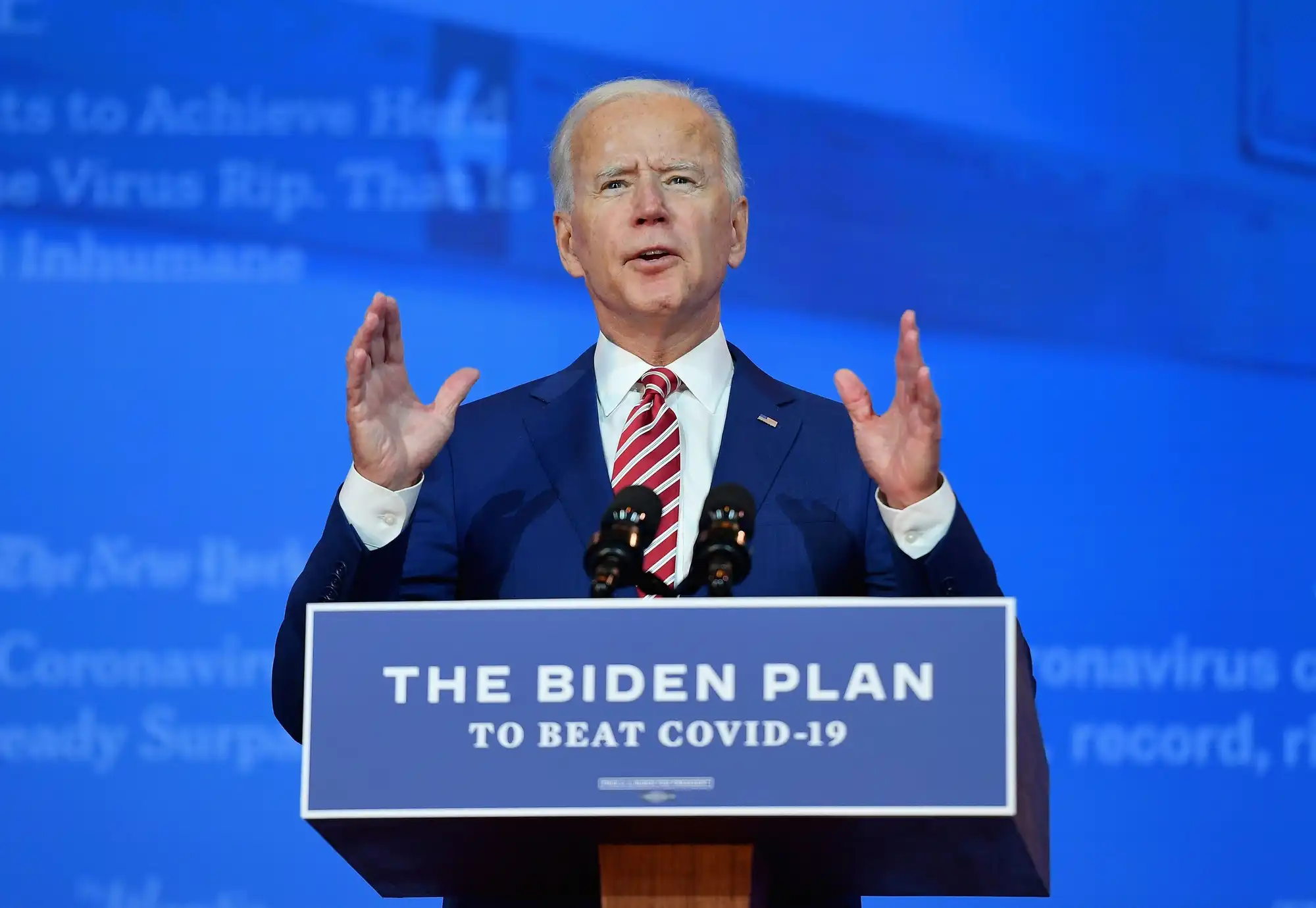
Plus, social media companies swatting down election misinformation. And, the possibility of two runoff elections for the U.S. Senate in Georgia, and what that means for campaign money.
Plus, Uber’s plans to push for more laws across the country like Proposition 22 in California. And, Los Angeles County voters approved a criminal justice reform that would boost social services spending by hundreds of millions of dollars.
So is it just about politics or are pandemic concerns resurfacing? Plus, worries over COVID-19 will see Denmark cull its mink population. A mutated virus strain can pass from the animal to humans.
Cities were designed to serve a world with different gender roles, where men went to work and women stayed home with children, says journalist Antonia Cundy.
Plus, what’s going on with Ant Group’s planned IPO? Also, what exit polls can and can’t tell us about what’s on the mind of voters. And, how productivity has been hit by election uncertainty.
Today we know more about the election results, but we still don’t know everything. So why has the stock market been running so strong? Plus, a CEO tax initiative in San Francisco. And, what it costs you when you worry.
Investors hold steady, despite a series of legal challenges to vote counting. Plus, working to keep supermarkets stocked with toilet paper as England starts another national lockdown.
On today’s show: a look at what a divided government could do to the economy and a rundown on a few important ballot initiatives in Florida and California.
Plus, the chances we see a divided government coming out of this election. What would that mean for fiscal policy? Also, the U.S. is formally out of the Paris climate agreement as of today. And, states vote on marijuana legalization.
The race for the White House piles more uncertainty onto global markets. Plus, assessing the economic case for cutting emissions as the U.S. becomes the first country to leave the Paris climate agreement.
Is there enough information for companies and market participants to start repositioning themselves? Plus, a win for Uber and Lyft in California. And, what kind of money might be spent in post-election legal fights.
Nearly $14 billion will be spent by the parties and campaigns this year, according to the Center for Responsive Politics. That’s more than double what was spent in 2016.
On today’s show: A check-in on airlines and movie theaters, conversations with artists and artisans here and abroad, and … uh, a little bit of economic context for this election.
With all of the uncertainty of the 2020 elections, why buy stock today? Plus, car and truck sales trending up. And, depending on election results, what might happen with economic policy during the rest of this year.
Analysts predict the outcome of the election will play a key role in what legislation makes it through the legislative process before the end of this year.
Nicolas Asfouri, Lionel Bonaventure/AFP via Getty Images
Social media companies announce steps to make it clear when a candidate has won the election or has not. Plus, stock futures up on Election Day. And, a closer look at companies giving their employees paid time off to vote.
Brendan Smialowski, Jim Watson/AFP via Getty Images
So how are investors approaching the next 24 hours? The EU’s financial watchdog says German regulators were “deficient” in supervising Wirecard. COVID-19 vaccine research is vulnerable to cyberattack.
A combination of bans on political advertising and a lack of digital inventory means there are more political ads in places like Roku, Hulu, PlayStation and Pandora.
Plus: how the pandemic is changing the restaurant industry and leaving essential workers stuck at sea, and why thousands of people are being told to pay back their unemployment benefits.
The central bank dropped the minimum loan amount under its Main Street Lending Program to $100,000. But not many businesses feel confident taking out loans they’ll have to repay in five years.
Plus, after the worst week for the stock market since March, indices around the world are up this morning. Also, what low interest rates mean for Americans.
Ahead of the election, a look at one of President Trump’s promises for the manufacturing industry and whether or not he’s kept it. Plus, how one European country with a population the size of Maine has figured out online voting.
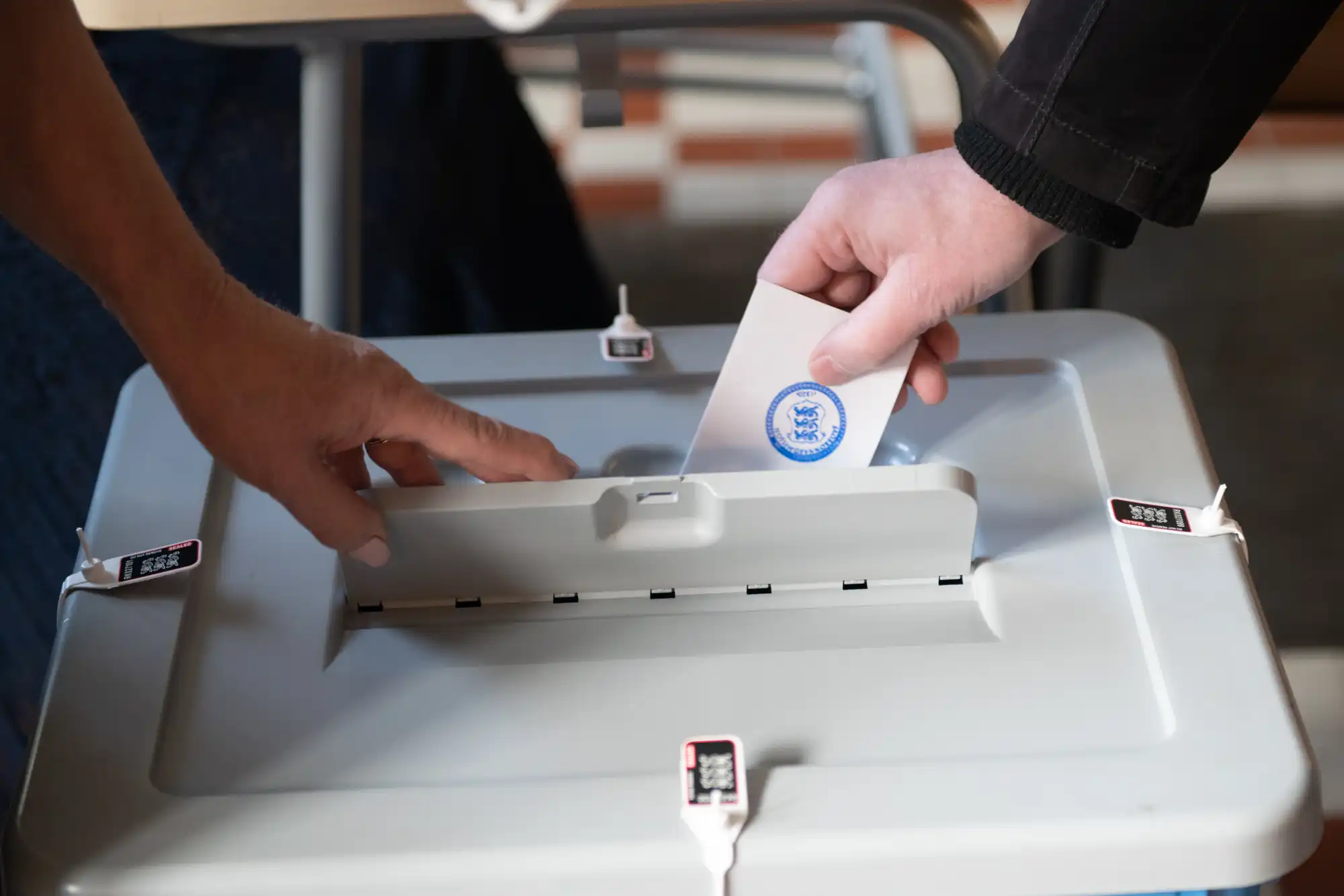
Lockdown uncertainty in Europe could further curb oil demand, worrying investors. The British prime minister cancels a speech to business leaders. Lessons in online voting from Estonia.