How do the nation’s business leaders feel about Joe Biden? Plus, data from Europe shows economic activity is looking worse in August than July. And, data showing a connection between sexual misconduct at companies and their poor financial performance.
The $1,200 stimulus checks didn’t go out to higher-income people — but they didn’t go out to many lower-income people, too. Business as usual for Uber and Lyft in California … for now. European economies run into new trouble.
Around 35 million discounted meals have been claimed under a U.K. government scheme to boost eating out in August. But who will actually pay? A commercially viable gas reserve could reduce Turkey’s reliance on energy imports.
Both companies had threatened to shut down if a ruling went into effect Friday morning that would have forced them to treat all their drivers as employees.
A battle over the contractor economy may erupt. Plus, Airbnb confidentially files to go public. And, how the labor movement in the U.S. might evolve to include more temporary and gig workers.
There is a bike shortage, it’s global and it’s expected to go on for months. Also, Indeed online job postings are down about 20% compared to this time last year. And, hotels face mortgage delinquencies.
The Australian flag carrier Qantas reported an annual loss of more than $1 billion. Australia has banned international travel for most residents and citizens. As strikes continue in Belarus, what next for its economy?
Plus, the story of Soul City, falling rents in New York and San Francisco, and whether college students can expect a tuition refund for canceled in-person classes.
Civil rights leader Floyd McKissick set out to create a town, aided by government funding, that would showcase Black capitalism. Professor Devin Fergus explains why the story is relevant today.
Why didn’t Congress anticipate funding to support voting by mail after what happened in the primaries? Plus, more big-box retailers see sharp quarterly growth. And, what Kamala Harris can learn from women in leadership roles around the world.
Why are investors aggressively buying stocks right now? It’s in part because the returns on bonds are so low right now. Plus, the USPS and veterans. And, reimagining our world with sustainability, waste and the “circular economy” in mind.
EU leaders meet to consider sanctions after a disputed election in Belarus. But what about post-Brexit trade talks? Australia orders 25 million doses of a potential COVID-19 vaccine. Lessons in leadership for Kamala Harris.
Working parents with schoolkids at home due to COVID-19 should be eligible for federal Pandemic Unemployment Assistance. But that’s not working out for some.
Builders started work on a lot of new single-family homes last month. That’s good news. But there’s an inequality angle here to look at, too. Plus, what will the next 10 years of global economic development look like?
The Fed has money to lend to small- and medium-sized businesses. But, at least at first, those loans did not fly off the shelves. And, how the post office plays a big part in the supply chains of small businesses.
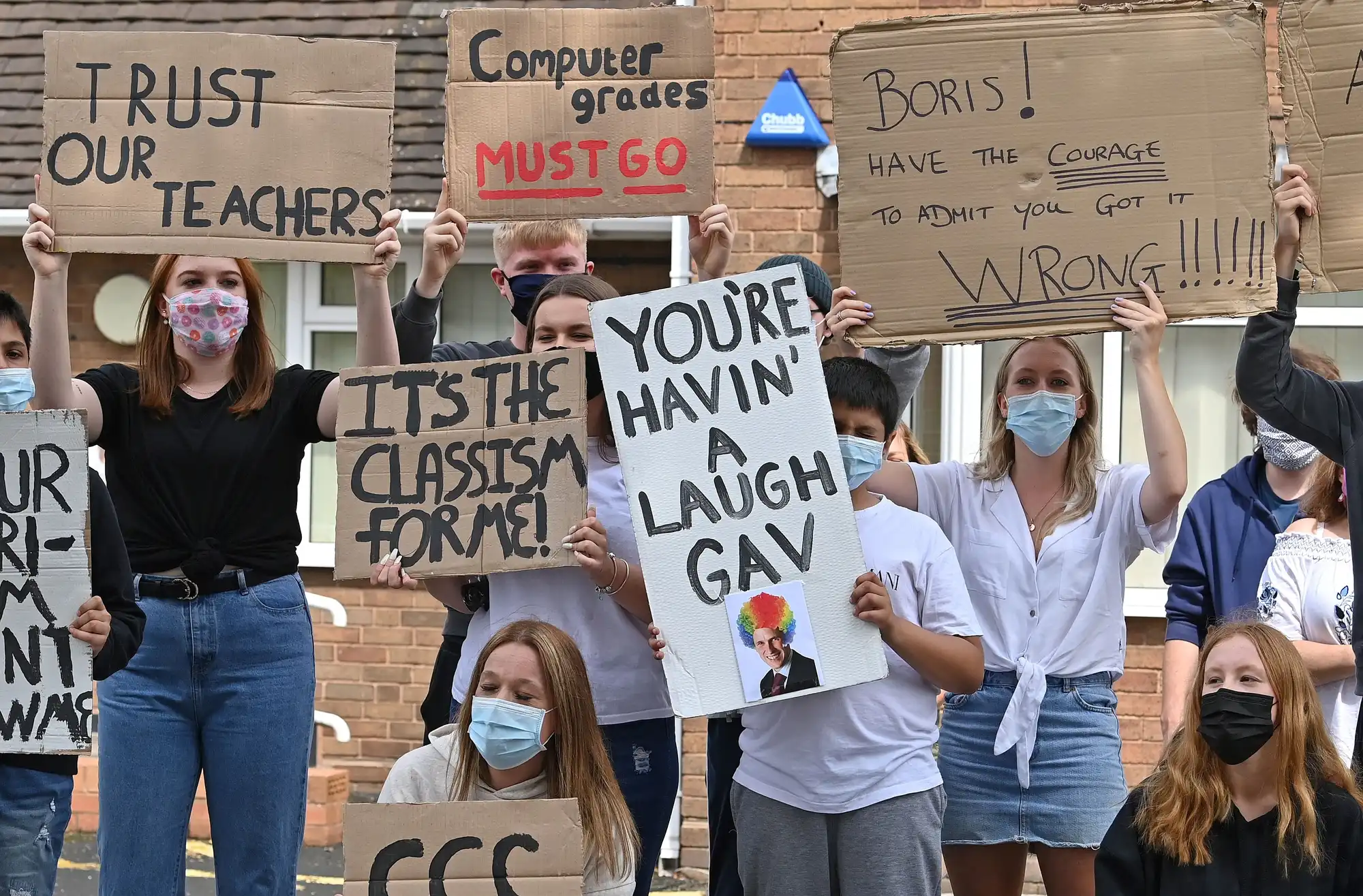
China alleges Australian wine imports are crowding out its domestic wine industry. It’s the latest escalation in trade tensions between the two countries. The coronavirus causes chaos for college admissions in England.
U.S.-China trade talks were abruptly canceled this weekend. Plus, don’t let the strong retail sales number fool you — in-store shopping is down. And, Chicago Mayor Lori Lightfoot’s plan to end poverty in her city.
Many low-income parents never got the $500 per child promised to them that’s in addition to the $1,200 payments. The IRS is giving them another chance to collect. Plus, pandemic home designs. And, what a virtual DNC means for Milwaukee.
The first Mediterranean cruise in almost five months sets sail from Italy. Japan’s economy posts its biggest contraction ever, though less severe than in the U.S. and countries across Europe. Do virtual conferences really work?