Plus: the latest on President Trump’s potential ban on Chinese apps, why Kodak was tapped to help make coronavirus treatments and how one family is getting through months in lockdown.
The Trump administration has given Kodak hundreds of millions of dollars to produce chemicals for COVID-19 treatments. But the venerable photography company will have to compete with a global supply chain.
President Trump’s executive order restricts Chinese tech platforms. Correspondent Jennifer Pak discusses the future of competition in developing markets.
TikTok has responded with fury to further pressure from the U.S. government against Chinese tech apps. And, we hear from the Greek islands, so reliant on tourism, which are offering travelers socially distanced vacations.
There were 1.8 million jobs added last month, 200,000 more than economists expected. The numbers aren’t quite as positive if you dig deeper. Plus, the Trump administration acts — on Chinese companies and Canadian aluminum.
The Trump administration tells Chinese companies to open their books to U.S. auditors or else leave U.S. exchanges. The effects of long-term unemployment. And, our special report “The Economy Reimagined.”
Terry Fincher/Daily Express/Hulton Archive/Getty Images
Labels have long been accused of racist, exploitative practices toward artists. Some now pledge to support social justice and diversify executive ranks.
Trying to get a sense of how hiring and rehiring is going. Plus, tomorrow is the self-imposed deadline for a deal on more pandemic relief. How altered college sports schedules will affect small-town economies. Supply chains suffer in 2020.
Pablo Martinez Monsivais/Pool/AFP via Getty Images
The Trump administration is taking more steps to try to build a technology wall against Chinese companies. Uber reports earnings on Thursday — what changes has it had to make during the pandemic? And, California considers new legislation on recycling.
Lebanon’s economy minister said the country would have to rely at least partly on foreign aid to rebuild. One year since Kashmir lost so-called special economic status, has the Indian government kept its promises about boosting the region’s business opportunities?
Plus: The market for caregivers who have survived COVID-19, the ongoing legal battle over gig worker classification and how “creative accounting” works.
As families turn to nannies for child care, some are screening candidates by whether they’ve had COVID-19, hoping they won’t bring the virus into the home.
In her new book, “Caste,” Pulitzer-Prize-winning writer Isabel Wilkerson compares America to an “old house” where “the work is never done, and you don’t expect it to be.”
The explosion killed at least 100 people, wounded 4,000 and caused between $3 billion and $5 billion in damage. U.S. private payrolls added fewer jobs than expected in July. The U.S. and China reportedly plan to review their trade deal.
In addition to coronavirus relief aid, Congress has another issue to attend to: the national budget. Plus, President Trump signs the Great American Outdoors Act. And, the role of the pharmacy store is changing during the pandemic.
Fears for food security in Lebanon with the main port destroyed, in a country where almost 80% of consumer goods are imported. Also, did Sweden’s approach to COVID-19 help protect its economy better than the rest of Europe?
Over 100 current and former corporate leaders sign a letter urging Congress to provide more relief to a huge sector that includes many of their suppliers and customers.
Manufacturing is not only up but growing. Plus, President Trump wants the U.S. government to get a cut of any American deal with TikTok. And, research on hits to the health care industry and how that affects the wider economy.
President Trump is proposing bringing back the eviction moratorium and enacting a payroll tax cut through executive orders. Tyson Foods has a new CEO. And, we hear from the unemployed people in this country who still have not gotten payments.
The oil giant BP has reported a record quarterly loss of $6.7 billion. Plus, $3,500 fines for people breaching COVID-19 restrictions in Melbourne, Australia. And, Ghana offers Americans of African ancestry the opportunity to move.
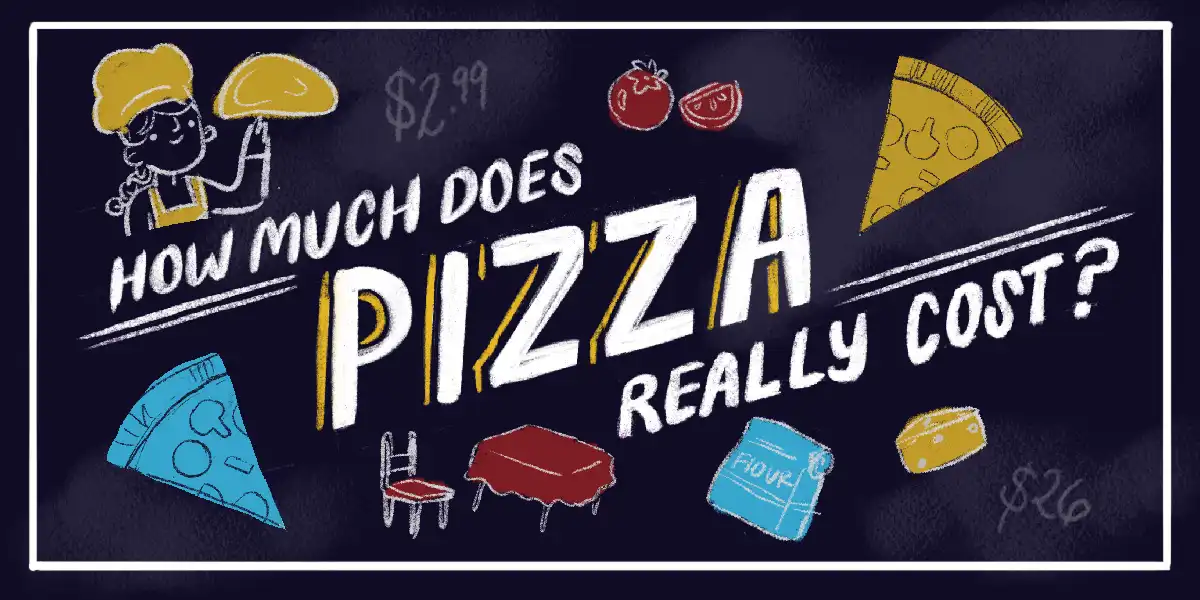
Why do things cost what they cost? And what makes people willing to pay the price? Turns out, at least when it comes to pizza, there’s a lot more to it than just dough, sauce and cheese.
Tailored Brands and Lord & Taylor join list of retail brands that filed for bankruptcy. There is little need for business attire when offices are empty.
Is it all bad news that the U.S. dollar is down? Still no agreement to extend additional unemployment aid. U.S. action on Chinese companies may go beyond TikTok. And, amid calls for more police accountability, body cameras get more attention.
Last week, President Trump threatens to ban TikTok. Now, Microsoft says it’s in talks to take over the app’s U.S. operations. Where do things stand? Plus, Disney earnings this week. And, social impact investing is alive and well.
Microsoft has confirmed that it is continuing talks to purchase the U.S. operations of TikTok. HSBC sees profits plunge amid protests in Hong Kong. And, two years after a deadly bridge collapse in Genoa, the Italian city has a replacement.