The U.S. unemployment rate unexpectedly dropped from nearly 15% in April to 13.3% in May. Economic divides by race are apparent in the numbers, though: the rate for Black people ticked slightly higher. And, where are sports leagues on reopening?
This week, the Labor Department listed the cities that have been hardest hit by layoffs. The president has a new executive order, allowing federal agencies to bypass some environmental laws. What drives theft and vandalism during protests?
AstraZeneca begins production of a potential COVID-19 vaccine. New U.S. trade restrictions on 33 Chinese technology firms go into effect. English pubs turn to takeout services for survival.
Researchers say underlying factors, such as people’s relationships with police and with communities, can contribute to destructive behavior in the midst of unrest.
Matt Geller, president of the National Food Truck Association, says the coronavirus wrecked lunch service but operators are building their evening business, especially outside city centers.
Rehiring has been happening, but slowly. Another 1.9 million people filed jobless claims last week. LA will move money out of policing. Congress’ new rules for PPP loans. A look at how housing came to be precarious for many.
Reimagining a new economy post-COVID-19 requires eliminating racial inequities, says Andre M. Perry. And, a new report shows that many people working for public schools are losing their jobs.
President Trump threatened to ban Chinese airlines from landing in the U.S., if Beijing refused to allow U.S. flights to China resume. LVMH’s bid to buy Tiffany & Co is under review. Europe’s central bank plans more stimulus.
Plus, we look at consumerism post-COVID and the ripple effects of Silicon Valley workers permanently working from homey, all on this week’s Whaddya Wanna Know Wednesday.
Generations of discriminatory housing policy, and lending practices that favored white borrowers, have entrenched segregation and inequality in American cities.
Investment in firearm companies is up, as are background checks. Early numbers for May job losses appear to be down significantly compared to expectations. State budgets are already strained because of COVID-19. Now hurricane season is here.
Essential workers worry about curfews on top of the coronavirus. Google faces a proposed class-action lawsuit over alleged privacy violations. Some health plans are requiring patients to chip in for COVID-19 testing — which was supposed to be free.
As Italy reopens its borders to Europe, what’s the economic cost of COVID-19 quarantine measures? Sweden’s pandemic policy expert says there is “potential for improvement” in the country’s no-lockdown strategy.
The CEOs of companies from big brands on down have been crafting statements condemning racism and police brutality. The CBO’s grim projections for COVID-19 economic recovery. An update on the 2020 U.S. census.
Researchers say police departments aren’t looking at how implicit bias training affects officer behavior. Facebook employees stage a virtual walkout. China gets into the GPS satellite game with implications for phone users everywhere.
We explore the role of leadership in achieving lasting change. Yemen needs billions in a fundraising drive to stop the world’s biggest aid operation from going broke. Argentina faces another sovereign debt deadline.
Abigail Wozniak, director of the Opportunity and Inclusive Growth Institute at the Minneapolis Fed, discusses her department’s role and our current economic situation.
Plus: Activists call for cuts to police budgets, the U.S.-China trade war has continued during the pandemic and the long recovery communities face after protests.
Fewer than half of law enforcement officers in the U.S. are participating in the FBI’s use-of-force database. How insurance companies can be a driver of better policing. Chinese officials accuse the Trump administration of hypocrisy when it comes to protests.
by David Brancaccio, Candace Manriquez Wrenn and Alex Schroeder
Apu Gomes/AFP via Getty Images
“You have cities out there borrowing money to pay off judgments because of brutal and corrupt police officers,” said Marc Morial of the National Urban League.
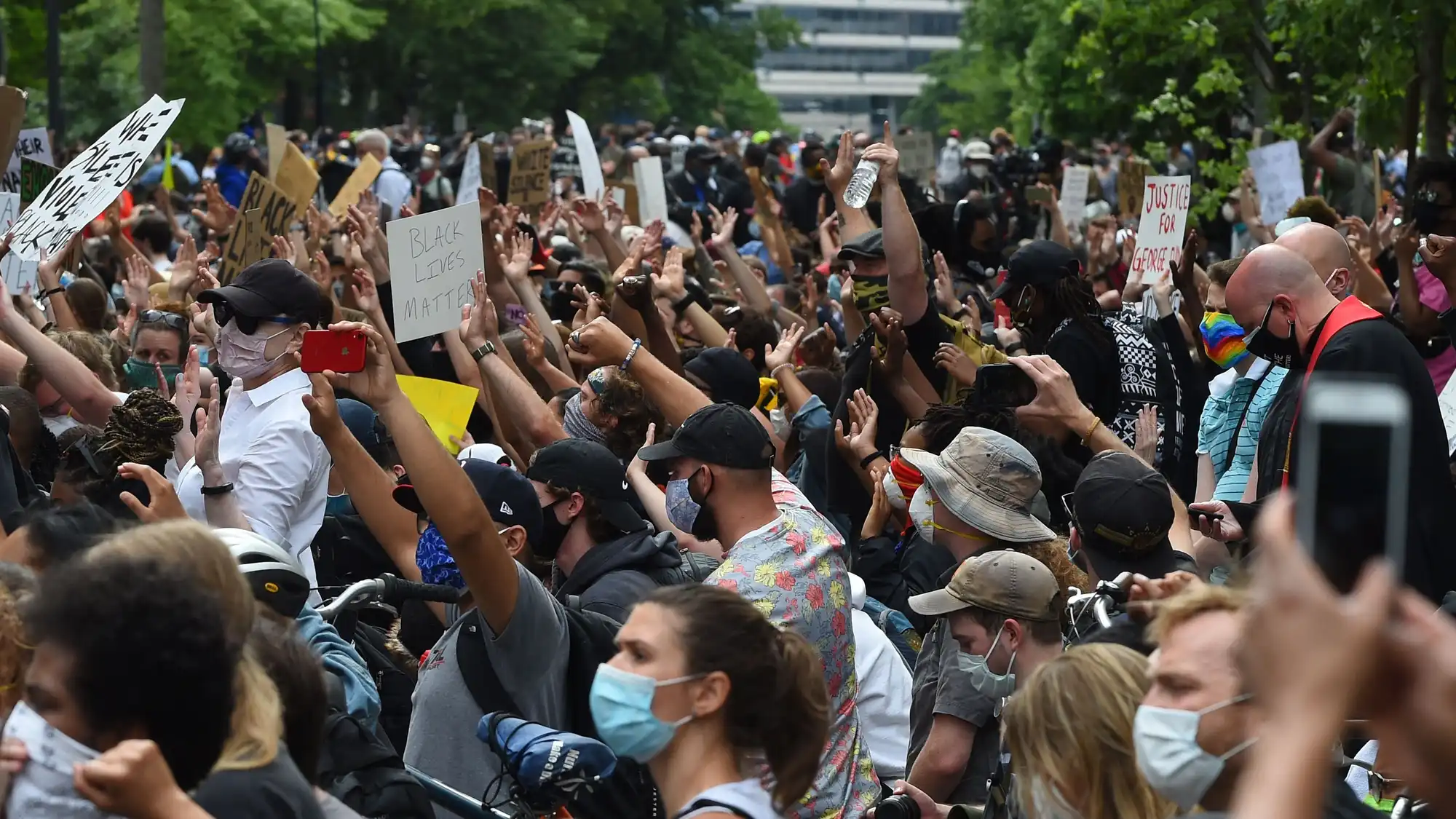
Amid protests across the country over the killing of George Floyd, a call to make payouts to victims of police misconduct much more transparent to the public. And, some company leaders are acknowledging the injustice driving protests.
Hospitals in Brazil struggle to source supplies of personal protective equipment. Mexico’s economy could shrink 9% this year. As protests ripple across America, what’s the economic impact of social upheaval?
Depending on where people got their information about protests around the country this weekend, they may have completely different ideas about what happened.