The S&P 500 went up more than 12% in April. Analysts say they expect to see a sales decline of more than 50% for automakers. Amazon’s warning on company spending. Relief efforts for undocumented immigrants.
With May 1 rent due, there are strikes nationally with so many people out of work. Macy’s plans to reopen 68 stores on Monday. An important tax ruling for businesses that got Paycheck Protection Program money. South Africa eases restrictions.
South Africa tries to boost its economy as COVID-19 restrictions have already led to heavy job losses. Pineapple prices have spiked there as more people start home brewing. International Workers’ Day turns virtual.
Is a global pandemic the best or worst time to confront a shopping addiction and pay off a dozen credit cards? For this woman, it’s been a bit of both.
Roughly 30.3 million people have now filed for jobless aid. How the pandemic is widening inequality. Tesla’s surprise report of profits during the first quarter of 2020. How big banks were temporarily locked out of the Paycheck Protection Program.
The Federal Reserve has now decided to keep interest rates super low, near zero. Oil giant Shell cuts investor dividends for the first time in 80 years. And, game theory for robots — they’re learning economics, too, you know.
France and Spain posted their biggest economic declines in 25 years, while Italy starts its long road to recovery. Will the European Central Bank intervene? A deal between AstraZeneca and Oxford University could see the U.K. produce a COVID-19 vaccine.
Plus: Why businesses don’t see the point in applying for emergency loans, the power and limitations of OSHA, and Michael Schur on bringing back “Parks and Recreation.”
While much of television production has been postponed, showrunner Mike Schur got the original cast of Parks and Recreation together for a remote episode.
The biggest quarterly contraction in the U.S. economy since the 2008 financial crisis. Ford reports first-quarter losses. Surveying the meat industry amid supply chain disruption and demand shock. Pandemic problems for the global flower trade.
Some meat processing plants have been identified as virus hot spots, forcing them to close. But the president is keeping them open. Airbus CEO on what the pandemic means for plane manufacturers. How to build resilient communities during COVID-19 recovery.
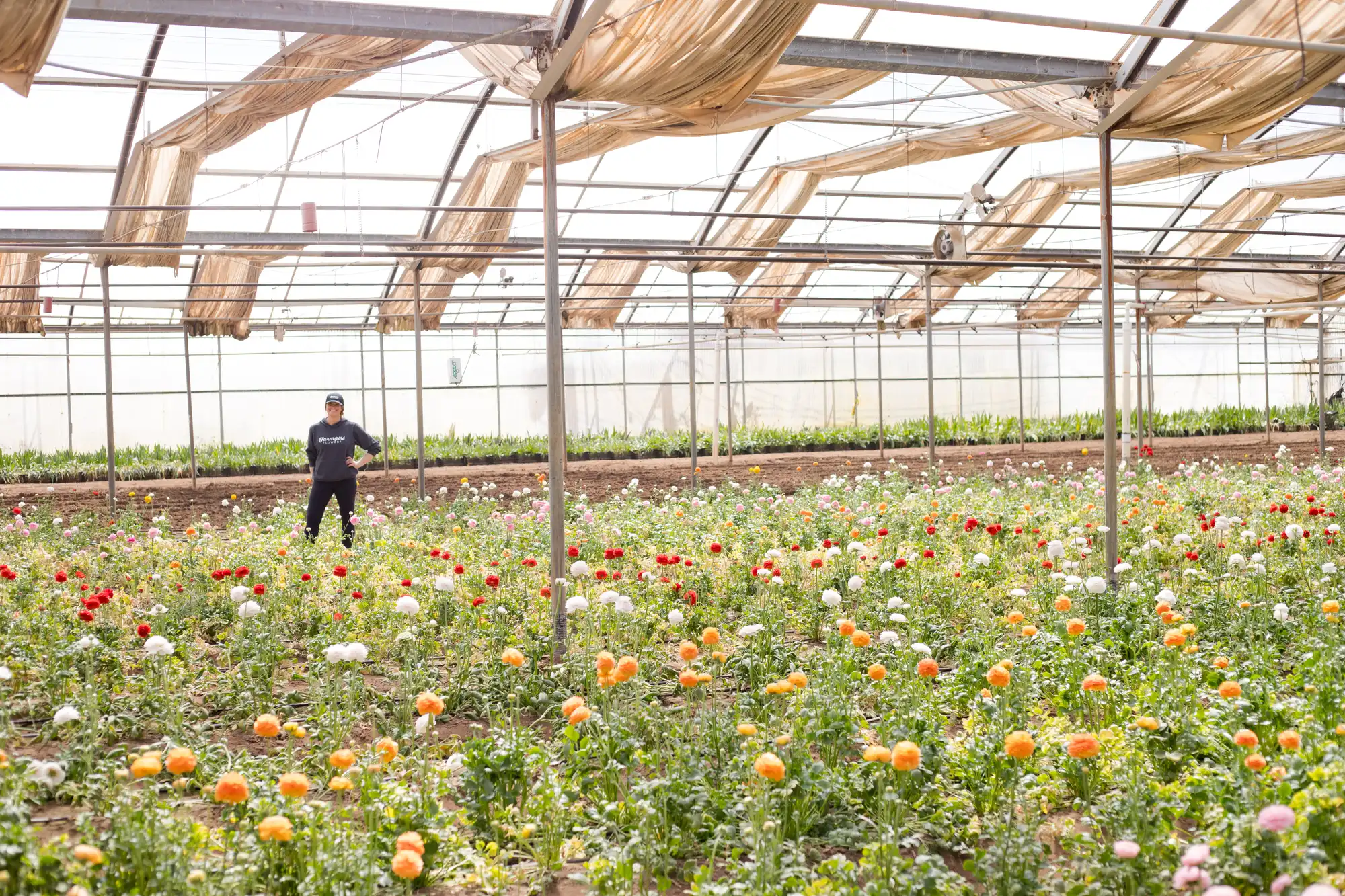
The boss of Airbus says COVID-19 is the “gravest crisis” to ever hit the aviation industry, as its profits fall sharply. The global flower industry is wilting due to falling demand as producers are having to destroy blooms.
Some big corporations are predicting improvement in the coming weeks. The Trump administration is trying to ensure that Paycheck Protection loans go to the intended small businesses. Mastercard pledges to get unbanked individuals and small businesses into the financial system.
Criticism that smaller and minority-owned businesses didn’t get their fair share from the first round of Paycheck Protection Program money. Wireless and internet carriers are extending grace periods. Apple and Google are set to release their joint contact tracing tool.
HSBC halts job cuts as concerns mount over loan repayments. Takeout is back as New Zealand starts to relax lockdown restrictions. India criticizes the accuracy of Chinese-made COVID-19 testing kits and cancels an order.
We called banks and small businesses to find out. Plus: The view from Shanghai, surprising essential businesses and why the stock market is not the economy.
New guidelines for meat processors, as COVID-19 threatens food supply infrastructure. The SXSW film festival has partnered with Amazon to show some movies for free. Businesses in Georgia must make a decision about whether to reopen or not.
Even as coronavirus cases and deaths continue to rise in some places, calls for reopening continue. Italy, which has had the longest lockdown in Europe, and New York share plans. And, how musicians are adapting to performances without crowds.
The British leader faces calls to ease restrictions as he returns from COVID-19 treatment. Spain, Germany and Switzerland start to reopen. Canceled garment contracts leave Bangladeshi workers reeling.