This month, 84% of apartment dwellers paid rent by April 12. But not everyone could pay all of it. The stock market is buoyed by some health care news. The president of the Philadelphia Fed offers some insight.
Among the new federal guidelines for easing the economy back up is more widespread testing. A global perspective on getting back to work after sheltering in place. China’s economy contracts for the first time in decades.
The COVID-19 pandemic takes its toll on the world’s second largest economy. Hennessy, orange juice and an unlikely alliance in this week’s global business roundup. What can Iceland teach the rest of the world about virus testing?
The clock is ticking for one college student after she finds out she’s pregnant in the middle of a pandemic, in a state that’s trying to restrict abortion.
Corporate profits are expected to drop across the board this quarter. But beyond the headline figures, earnings reports offer a lot of clues about how the economy is faring through the crisis.
The Payroll Protection Program has run through its money already. About 5.25 million people filed for state unemployment benefits in the last week. Buses in Detroit are now free, but bus drivers have safety concerns as essential workers.
Context on the millions more who signed up for state unemployment benefits in the last week. Big banks pledge that stimulus checks will not go toward covering overdraft fees and such. Is the current economic narrative a self-fulfilling prophecy?
Britain flies in foreign workers to harvest fruit during the COVID-19 outbreak. Germany starts to open up. The challenges of lockdown for many Indian migrant workers.
The Small Business Administration says over 1.3 million loan applications have been approved as of Wednesday. But many businesses whose loans have been approved haven’t yet seen any of the money.
Retail sales fell dramatically in March, slightly more than the pessimistic forecasts of economists. How to gradually lift stay-at-home orders and phase in economic activity. Do we pay enough to workers at the frontlines of this pandemic? Airlines reach a bailout deal.
When you turn off large parts of the economy, cities and states aren’t collecting as much in taxes. New numbers on homebuilders’ confidence — or pessimism. Even before the pandemic, online therapy and therapy apps were booming.
The G-20 decides whether to suspend debt payments for the poorest economies. Spain slowly emerges from lockdown. And one top chef swaps the banquet hall for the school lunch hall.
It’s been pushed to July 15. Plus: a new IMF outlook, the challenges of managing staff remotely and an unexpected essential business: livestock auctions.
The market is clearly pricing in a recession. More Americans are putting their mortgage payments on hold. The latest on business interruption insurance. NBCUniversal is set to launch its Peacock streaming service.
The season for corporations to report their January to March results is upon us, and many will contain educated guesses about how the COVID-19 Economy will play out. Inside the confusion over the $350 billion in loans for smaller businesses.
Italy, Spain and Austria start to go back to work while France extends its lockdown until 11 May. India is forecast to see no economic growth this year, as it extends its lockdown. India’s call center sector faces job losses.
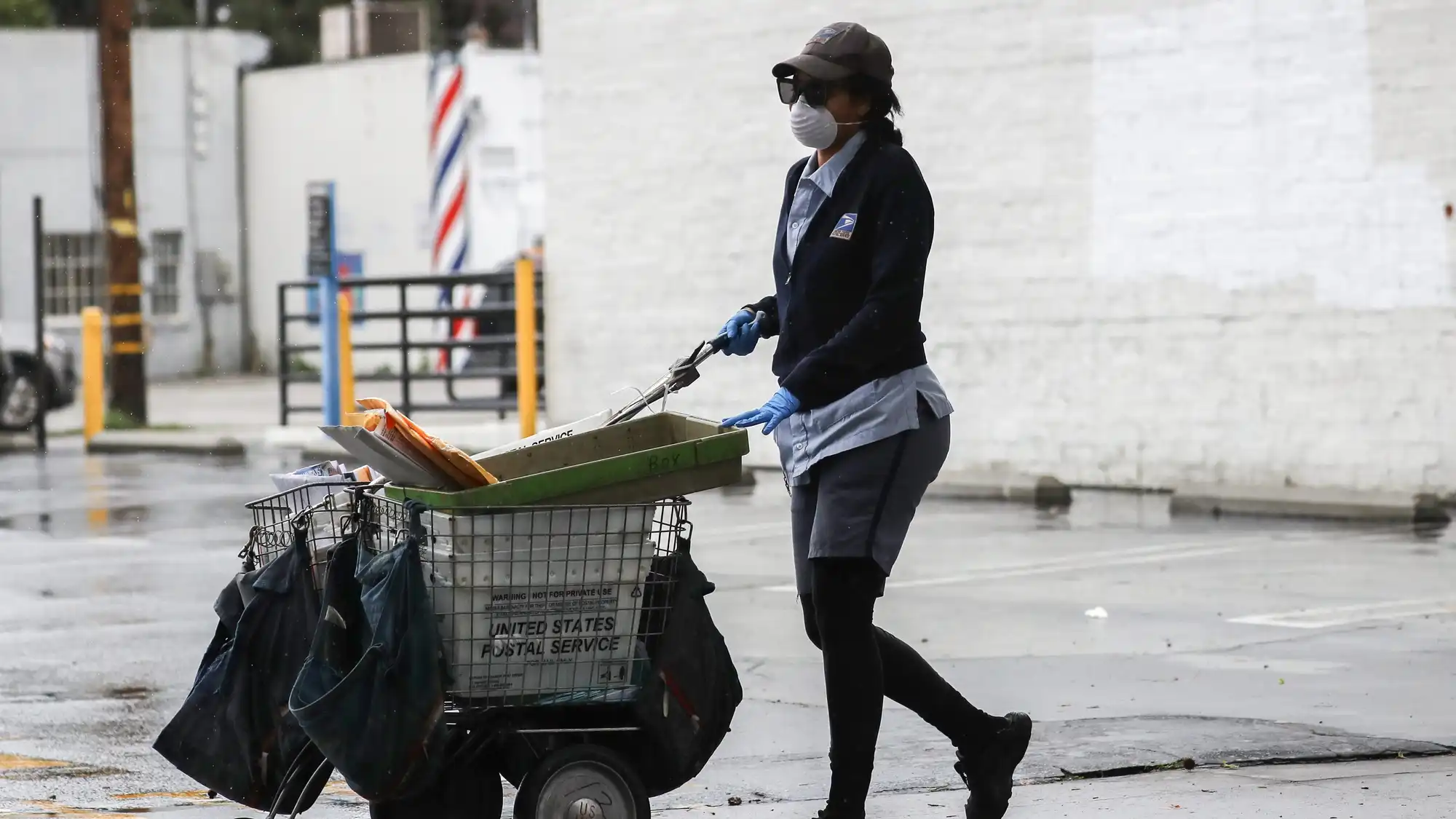
Plus: The U.S. Postal Service’s financial trouble, how social distancing is changing the urban landscape and a conversation with the CEO of Feeding America.
Oakland is one of the cities experimenting with closing streets to through traffic to give room to pedestrians and cyclists to maintain social distancing.
A whole lot of “meh” from the markets when it comes to price changes for oil. Online grocery delivery companies are having trouble keeping up with demand. Britain’s textile industry gets an unexpected boost from COVID-19.
The IRS says it has started distributing emergency aid payments. Public health advocates call for limits or bans on the sale of tobacco products during COVID-19. Some are buying firearms for the first time right now.
Countries in Europe start to relax COVID-19 restrictions to revive economies. Are oil production curbs enough to tackle price slumps? Entertainers make ends meet by working in local grocery stores.