It’s not easy being an undercover cop in a county with just 40,000 people. But drugs were making it hard for Bucky Culbertson to run his business, so now he makes his business getting rid of drugs.
It’s not easy being an undercover cop in a county with just 40,000 people. But drugs were making it hard for Bucky Culbertson to run his business, so now he makes his business getting rid of drugs. Subscribe to The Uncertain Hour wherever you get your podcasts.
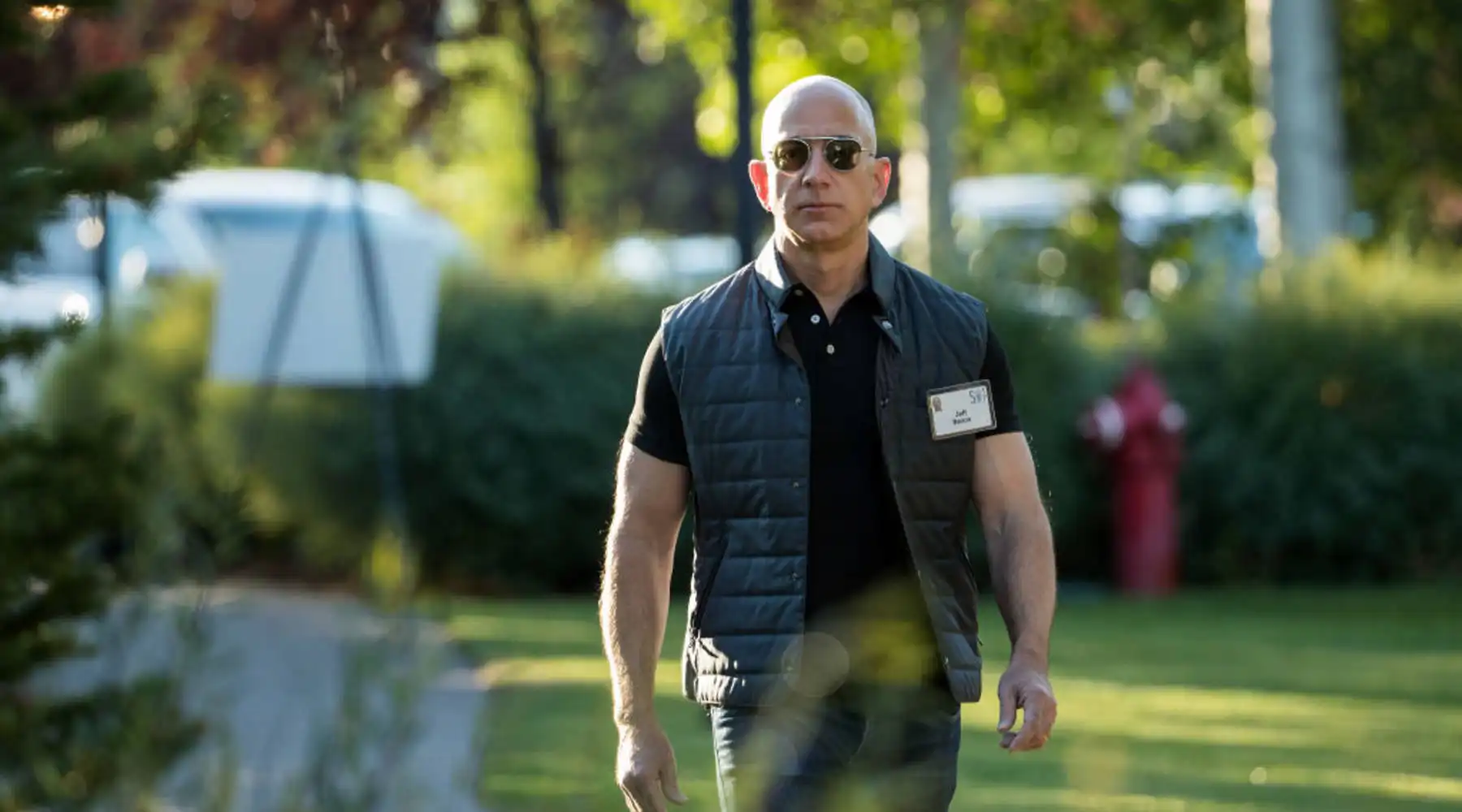
The vest is a big part of the way business looks right now. Today, we look at why. Plus: Why T-Mobile wants in the banking business, and who’s really to blame for slow Brexit negotiations.
Walmart and Amazon are now accepting Supplemental Nutrition Assistance Program (SNAP) benefits, commonly known as food stamps, for online grocery delivery in New York.
The number of new homes drops to its lowest level in two years. People owed money by Sears are suing the CEO. Plus, Congress is considering renewing a grant to help the former boom towns along storied Route 66.
A recent report finds the “new NAFTA” will benefit the U.S. economy. Amazon and Walmart are now accepting the modern version of food stamps. Plus, how are prisons dealing with the opioid epidemic?
From the BBC World Service… Employees of India’s troubled Jet Airways are demonstrating in New Delhi. Then, a visit to London’s St. Paul’s Cathedral shows why funding preventative preservation is so challenging.
This week the European Parliament passed a law establishing basic rights for workers in the gig economy. It could apply to some 3 million people, and it’s supposed to make working short-term gigs a little more stable.
With the new “Avengers” movie poised to dominate, is there room for anyone else in the superhero landscape? Plus: the struggles faced by regional grocery stores and Texas + immigration + the economy.
Many people in Wise County agree that they can’t jail their way out of a drug epidemic, but there’s a lot less agreement on what to do instead. And we find out what happened to Joey Ballard.
Consumers give the economy a much needed bump. China Mobile wants to expand in the U.S., but regulators want to keep the state-owned company out. Plus, Hollywood pressures Georgia lawmakers over a bill restricting abortions.
After adjusting for inflation, black workers' median weekly earnings have risen at a fraction of the pace of wages for white, Hispanic and Asian workers.
Workers of color are seeing fewer gains from U.S. economic growth than their white counterparts. The video conferencing company Zoom goes public today, so why is the tech still so bad? Plus, electric vehicles make a splash in China.
From the BBC World Service… Amazon is preparing to close its online store that connects local buyers and sellers. Plus, Bank of England Governor Mark Carney launched a new initiative for 34 central banks to “green the financial system.”
Last year, California passed the California Consumer Privacy Act, which requires companies to be more careful in the way they handle consumer data. It doesn’t go into effect until next year, and it’s still a work in progress.
Video meetings have made it possible to work remotely from pretty much anywhere. But there's still no substitute for in person eye contact. And you have to do your hair.
Our housing reporter revisits her childhood home and discovers how much homeownership has changed — and stayed the same. Plus: The big business of Queen Bey and why luxury retailers are getting in the secondhand clothing business.
Is slowing in the European economy a forgone conclusion at this point? A new study finds all those work programs to get you to stay fit don’t actually do much. Plus, why minimalist branding and fonts are good for business.
Apple and Qualcomm settle their lawsuits over patent royalties. Tobacco stocks surge as companies turn to vaping. Plus, Emporia, Kansas is making it clear that brain drain is no joke.
From the BBC World Service… China’s Q1 economy grew faster than expected, but slower than a year ago. Economic growth and job creation are big issues for Indonesian voters. Plus, TikTok gets pulled in India.
She says we’re vulnerable all over the place, from critical infrastructure like utilities and 911 dispatch systems to our elections and our personal data.
Chances are you won’t be traveling on a Boeing 737 Max during your summer vacation. Plus, a new Fed study found the 2017 tax overhaul may have caused a decline in new home sales last year.
Fears of a global economic slowdown might have been overblown, at least as far as investors are concerned. Malls are still struggling to attract shoppers. Plus, despite its infamous history, moonshine is making a comeback.
Those lucky enough to get tax refunds might want to attend to that medical issue they’ve been putting off. AT&T sells its stake in Hulu. Plus, what happens when you try to trademark a business name that we can’t say on the radio.
From the BBC World Service… What happens next for Notre Dame? Foxconn’s chairman hints at a presidential run in Taiwan. Then, a look at the cultural significance of heavy metal music in the U.K.
Today, most video conference calls are full of pauses, delays, garbled audio and unusable interfaces. Last year a Gallup Poll found that 70% of employees around the world work remotely at least once a week.
Tax Day used to be a big deal, with parties and protests at U.S. post offices. Plus, the most audited county in the United States and the latest in the talks between Hollywood writers and agents.
The IMF warns of a global slowdown. European central bankers are concerned about the Fed’s independence, warning U.S.-China trade tensions have prompted “a delicate moment” for the global economy. Plus, tax day!
American Airlines and Southwest have extended flight cancellations through August. The White House declares Monday “Tax Cuts Day.” Plus, Netflix raises its subscription prices.
From the BBC World Service… India’s Jet Airways, is trying to secure emergency funds to keep it in operation. Plus, how “Game of Thrones” fans gave Northern Ireland a big economic boost.