Marketplace®
Every story is an economic story
  • A pharmacy technician counts out a prescription of antibiotic pills.
    Joe Raedle/Getty Images

    Drug companies can get creative with doctor incentives, and that can be problematic.

  • A product from Korchmar, the company whose owner testified in support of tariffs on Chinese leather imports.
    Korchmar

    Michael Korchmar, who runs the Leather Specialty Co. in Florida, supports duties on Chinese imports.

  • People ride Bird electric scooters along Venice Beach in August in Los Angeles.
    Mario Tama/Getty Images

    The personal vehicles are gaining ground as riders navigate a patchwork of differing rules.

  • Sep 21, 2018

    How ticket prices affect scalping

    by Janet Nguyen
    A view of Beyonce performing back in 2016. Tickets for Jay-Z and Beyonce's "On The Run II" tour this year reached nearly $1,300 at one point.
    Duane Prokop/Getty Images

    A brief history of the ticketing — and scalping — industry.

  • Sep 21, 2018

    The 5G cold war

    Which country will be the first to implement the next generation of wireless technology? The race to 5G is on between the United States and China. The questions is, who foots the bill? Also on today’s show: Love ’em or hate ’em, electric scooters are gaining ground. California Gov. Jerry Brown says adult electric scooter riders won’t have to wear helmets starting Jan. 1. The new law is a big victory for companies like Lime and Bird, which have had tense relationships with city governments on issues like crowding and pedestrian accidents. Plus, we’re joined by Leigh Gallagher from Fortune Magazine and Rachel Abrams from the New York Times for the Weekly Wrap.

  • The logo of the Organization of the Petroleum Exporting Countries (OPEC) is seen at the headquarters building in Vienna on April 4, 2013.
    ALEXANDER KLEIN/AFP/Getty Images

    Getting prices down could be complicated. Supply from Iran is already at two-year lows, and new U.S. sanctions on the country are set to go into effect in November.

  • U.S. President Barack Obama (C) signs the the financial reform bill into law during a ceremony with (L-R) Robin Fox, Andrew Giordano, Vice President Joe Biden, Senate Majority Leader Harry Reid (D-Nev.), Rep. Maxine Waters (D-Calif.), Senate Banking Committee Chairman Christopher Dodd (D-Conn.), House Financial Services Committee Chairman Barney Frank (D-Mass.) and House Majority Leader Steny Hoyer (D-Md.) at the Ronald Reagan Building and International Trade Center July 21, 2010 in Washington, D.C.
    Chip Somodevilla/Getty Images

    (Markets Edition) Under the cloud of a trade war and trouble in emerging markets, many people are cutting down the risk in their portfolios by buying more stocks. Stocks are actually seen as riskier, not safer, yet EPFR Global notes that $15B more went into the U.S. stock market last week alone. Then, we talk more with Chris Dodd and Barney Frank, the two Democratic lawmakers who pushed the epic financial reform law through Congress during the financial crisis. But what if the next financial crisis is triggered by something different? Today’s show is sponsored by GAIN Capital Group (gaincapital.com) and Indeed (indeed.com/marketplace). (09/21/2018)

  • President Barack Obama signs the Dodd-Frank Wall Street Reform and Consumer Protection Act alongside Sen. Chris Dodd (D-Conn.), center; Rep. Barney Frank (D-Mass.), second from right; Speaker of the House Nancy Pelosi (D-Calif.), second from left; and Vice President Joe Biden, far left, at the Ronald Reagan Building in Washington, D.C., in 2010.
    SAUL LOEB/AFP/Getty Images

    (U.S. Edition) OPEC countries along with Russia and other oil producers are going to be meeting in Algeria this weekend, and one of the items on the agenda is increasing supply. Then, we discuss more with Chris Dodd and Barney Frank, the two Democratic lawmakers who pushed the epic financial reform law through Congress during the Great Recession. We talked about what worries they have when it comes to the next frontiers in regulation, among other things. Today’s show is sponsored by GAIN Capital Group (gaincapital.com) and Indeed (indeed.com/marketplace). (09/21/2018)

  • Russia's President Vladimir Putin (R) and China's Defense Minister Wei Fenghe watch the parade of the participants of the Vostok-2018 (East-2018) military drills at Tsugol training ground not far from the Chinese and Mongolian border in Siberia, on September 13, 2018. 
    ALEXEY NIKOLSKY/AFP/Getty Images

    (Global Edition) From the BBC World Service …  China has warned the U.S. there will be “consequences” if the U.S. does not withdraw the latest sanctions it has imposed on China’s military – over defense and military deals it struck with Russia. In a blow to Indonesia’s huge palm oil industry, the Economy Ministry has extended a ban on new factories, continuing to blame the sector for environmental damage. Dockless bike sharing schemes seem to work in China, so we find out why not so much in Europe or the U.S. And North Korea is planning on expanding its cosmetics industry. Today’s show is sponsored by GAIN Capital Group (gaincapital.com) and Indeed (indeed.com/marketplace). (09/21/2018)

  • What else can Big Data do? Pick stocks.
    Spencer Platt/Getty Images

    Credit card swipes, satellite data, media subscriptions … all kinds of information fuels data-driven investing.

  • What else can Big Data do? Pick stocks.
    Spencer Platt/Getty Images

    This week, we’ve been covering how technology has changed investing and will continue to change it. That conversation leads us to artificial intelligence. A Wall Street industry poll earlier this year said a majority of hedge funds are now using artificial intelligence and machine learning to help them make trades. Huge quant funds are even fighting Google and Facebook for engineers to crunch tons of data and build algorithms to predict the next great stock buy. This has all made markets faster, more efficient and more accessible to online investors. On the other hand, there are some worrying aspects. We dig into that in Quality Assurance, our Friday segment where we take a deeper look at a big tech story. Host Molly Wood talks with Simone Foxman of Bloomberg. (09/21/18)  

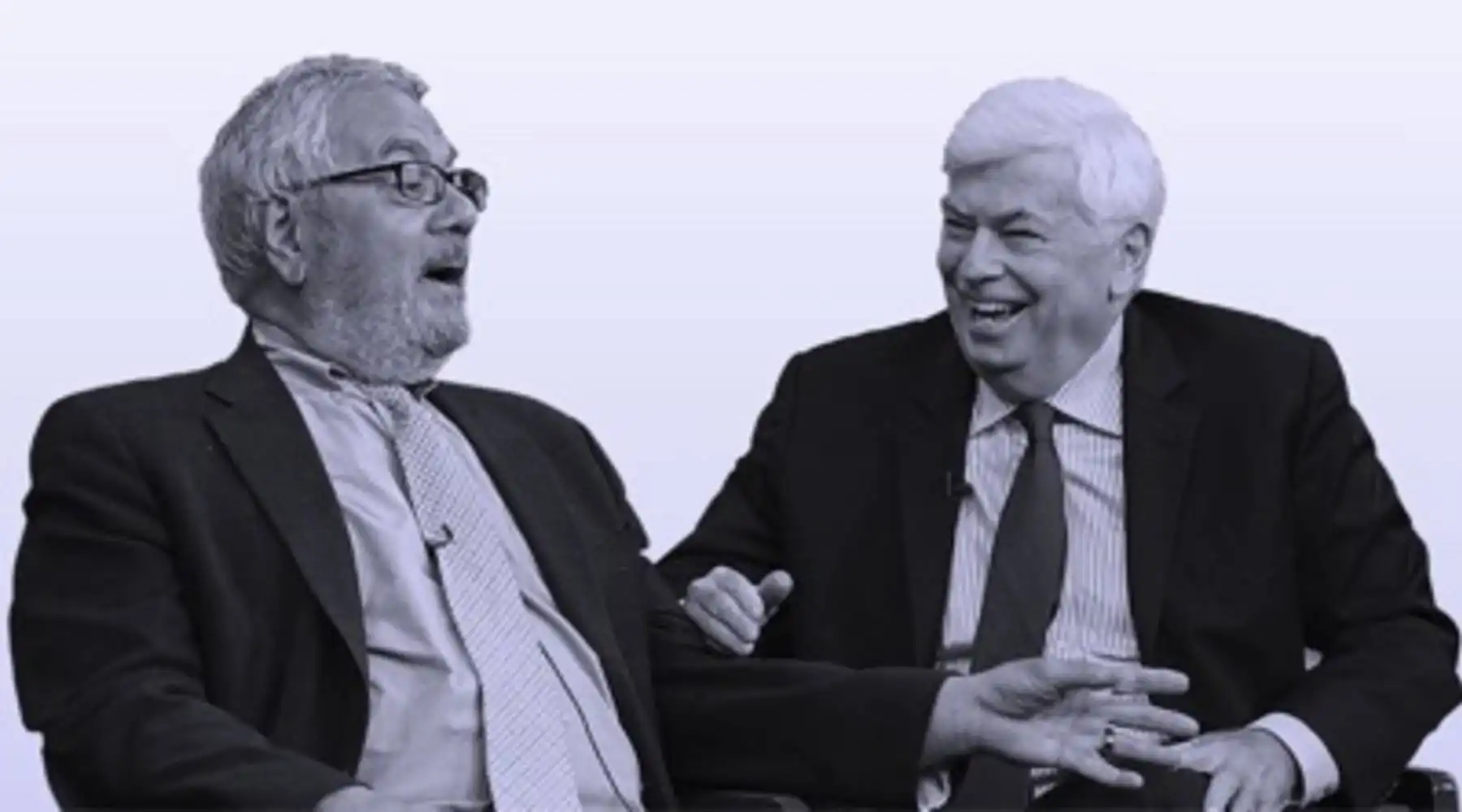
  • Part two of our interview with Barney Frank and Chris Dodd, the former lawmakers behind one of the country’s largest financial reform bills. In a rare joint interview we’re calling “The Politics of Crisis,” they talk about their biggest regrets, why there won’t be any more bailouts and why they’re not worried about major rollbacks to Dodd-Frank.

    Download
  • Airlines just raised checked bag fees again, but, um, is it really to pay for fuel?
    JACK GUEZ/AFP/Getty Images

    The fees keep going up, and so does revenue.

  • As the trade conflict between the United States and China goes on, it can sometimes feel like there’s no end in sight. Just this week, the Trump administration announced plans to slap $200 billion in tariffs on Chinese goods on top of the $50 billion in duties already in place. We’re now talking about tariffs […]

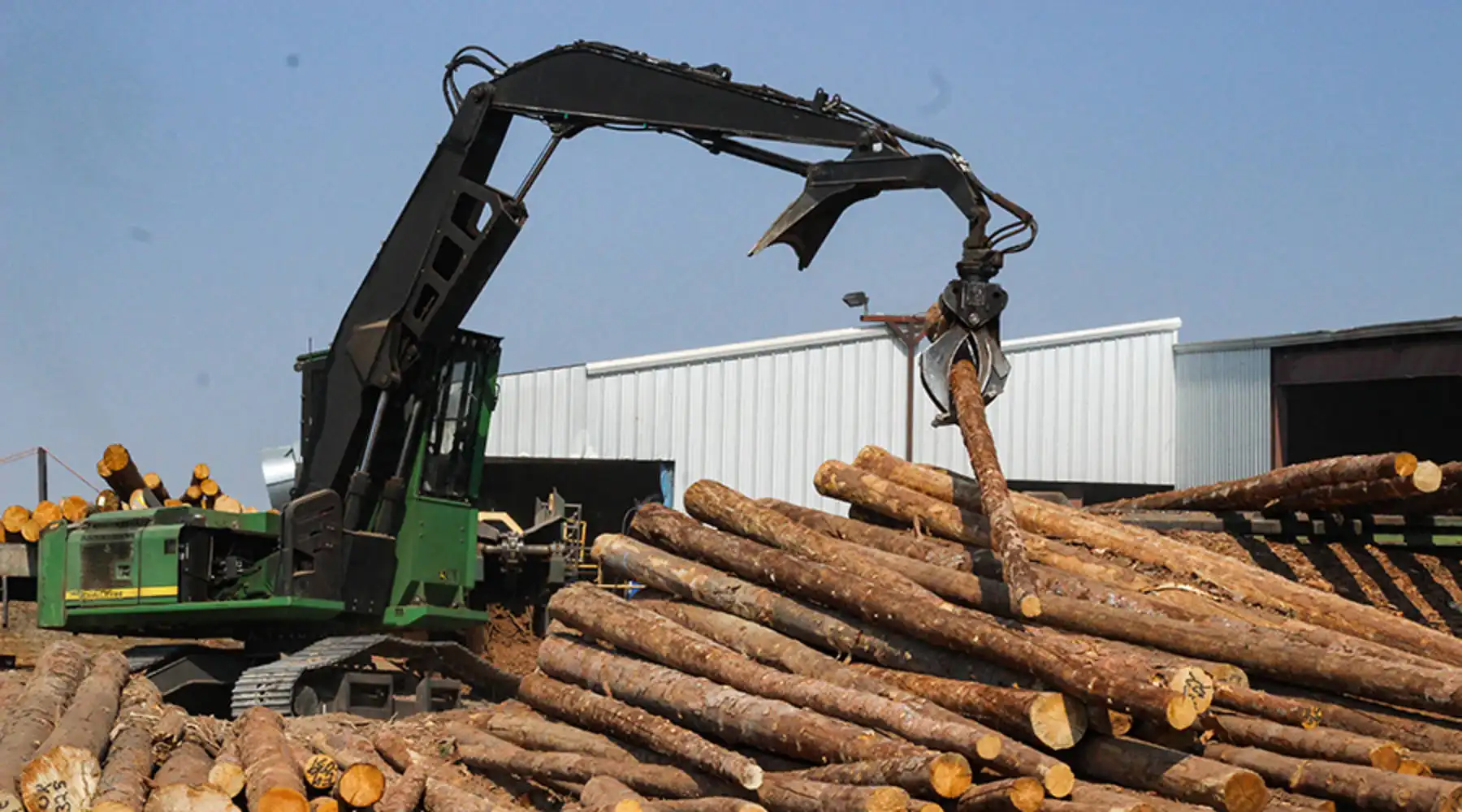
  • A machine piles pine logs for processing at the Montrose Forest Products sawmill.
    Esther Honig/Harvest Public Media

    Prices for U.S. softwood lumber have jumped since tariffs against Canadian lumber took effect last year.

  • Gantry cranes unload containers on the dockside in Felixstowe.
    Courtesy of Mimisse Beard

    Brexiters say the port of Felixstowe shows the country can manage post Brexit.

  • Participants who wear monitoring devices like the ones above can get cheaper premiums or rewards from John Hancock.
    Photo by Rich Fury/Getty Images for Fitbit

    John Hancock is the latest insurer to offer policies with discounted premiums if policyholders agree to be monitored.

  • At the China International Industry Fair, intelligent robot makers are upbeat about business prospects despite the U.S.-China tariff escalation.
    Charles Zhang/Marketplace

    With more taxes about to hit Chinese exports, companies at a Shanghai industrial fair assess their plans.

  • The trade war with China is raging on, but the markets seem unbothered. As the Dow and the S&P 500 hit new highs this week, we look at why the markets don’t seem to be impacted by the trade war. Meanwhile, the United Kingdom is facing its own trade woes with Brexit only six months away. How will Britain’s shipping industry change? We go to Britain’s largest port to find out. Also on today’s show: Before “Fixer Upper,” there was “Flip This House,” “Flip That House” and “Flipping Off,” but the flipping stopped when the recession hit. We speak to Steven Kurutz, New York Times features reporter, about how home renovation shows have reflected the housing crisis. 

  • Sep 20, 2018

    When did you realize we were in a financial crisis?

    by Danielle Chiriguayo, Amy Scott, Nancy Marshall-Genzer, Betsy Streisand and Mitchell Hartman
    News tickers at the Nasdaq MarketSite show negative numbers October 9, 2008 in New York City.
    Mario Tama/Getty Images

    Marketplace veterans take a look back at some personal pivotal moments.

  • Discussing enforcement with Chris Dodd and Barney Frank

    (Markets Edition) The Dow and S&P experienced record highs Friday, which might come as a surprise given the nature of the trade relations between the United States and China. We talk to economist Diane Swonk to make more sense of it. Then, we have a lot more with former senator Chris Dodd and former congressman Barney Frank, the duo who pushed through the huge financial reform law that bears their name. They talked about the aspect of enforcement. Today’s show is sponsored by Battelle (Battelle.org/QI), Indeed (indeed.com/marketplace) and Purple Mattress (purple.com). (09/20/2018)

  • Alibaba founder Jack Ma delivers a speech during the Computing Conference in Hangzhou in China's eastern Zhejiang province on Sept. 19.
    STR/AFP/Getty Images

    Founder Jack Ma says a friendly partnership no longer exists between China and America.

  • Executive Chairman of Alibaba Group Jack Ma poses for a photo outside the New York Stock Exchange. 
    Andrew Burton/Getty Images

    (U.S. Edition) Jack Ma, the founder of online retail powerhouse Alibaba, once promised President Trump that his company would bring a million jobs to the U.S. by 2022. That promise is now being dialed back as the trade feud between the U.S. and China has escalated. Also, we have more with former senator Chris Dodd and former congressman Barney Frank, the duo who pushed through the huge financial reform law that bears their name. This time, they discuss efforts made to alter the law. Today’s show is sponsored by Battelle (Battelle.org/QI), Indeed (indeed.com/marketplace) and Purple Mattress (purple.com). (09/20/2018)

  • A trader is seen on the floor of the Hong Kong Stock Exchange on August 12, 2015. 
    PHILIPPE LOPEZ/AFP/Getty Images

    (Global Edition) From the BBC World Service … One of China’s biggest technology startups – dubbed the country’s Amazon for services – jumped more than 7 percent in its trading debut on the Hong Kong stock exchange after raising more than $4 billion dollars in its initial public offering. Then, global growth is forecast to plateau at just under 4 percent this year and next. We’ll talk to the OECD’s chief economist in Paris who says the biggest concern is trade. Afterwards, across Africa and Asia, many countries are questioning billions of dollars’ worth of Chinese investment in their economies. We’ll hear from Pakistan where China has invested $62 billion in ports, roads and power plants. Today’s show is sponsored by Today’s show is sponsored by Battelle (Battelle.org/QI), Indeed (indeed.com/marketplace) and Purple Mattress (purple.com). (09/20/2018)

  • Bonus: the Dodd-Frank interview, part 1

    We’ll be back with your regularly scheduled Morning Report soon, but right now we’re bringing you part one of our interview with Barney Frank and Chris Dodd, the former lawmakers behind one of the country’s largest financial reform bills. In a rare joint interview we’re calling “The Politics of Crisis,” they talk about their biggest regrets, why there won’t be any more bailouts and why they’re not worried about major rollbacks to Dodd-Frank. Check back here for part two tomorrow.  (09/20/18)

  • A poster of evidence is presented by then-U.S. Attorney for the Southern District of New York Preet Bharara during a press conference on May 7, 2013 in New York City.
    John Moore/Getty Images

    The Consumer Financial Protection Bureau helps you handle problems you’re having with a financial service or product. Here’s how that process works.

  • Pedestrians walk by a sign outside Google headquarters in Mountain View, California.
    Justin Sullivan/Getty Images

    Private funding, like venture capital, can now grow companies as big as an IPO can. Small investors might get a slice, too.

  • News tickers at the Nasdaq MarketSite show negative numbers October 9, 2008 in New York City.
    Mario Tama/Getty Images

    A few decades ago, a company had to go public in order to attract enough investment to grow significantly. But times have changed. According to The Wall Street Journal, last year $2.4 trillion in private money was raised in the United States compared to $2.1 trillion in public markets. What’s that mean for ordinary investors? Molly Wood puts that question to Nizar Tarhuni, head analyst at research firm PitchBook, and Howard Marks, CEO of StartEngine, a company that allows everyday investors to put money into private companies. (09/20/18)

  • Sep 20, 2018

    When an economy needs refugees

    by Kai Ryssdal and Bennett Purser
    Dylanna Jackson is a director of a resettlement program in Erie. 
    Maitham Basha-Agha/Marketplace

    Erie, Pennsylvania, strategically welcomed refugees when its population was shrinking. Now the White House is cutting their numbers.

  • There was some big news this week in the auto and tech industries, which are increasingly overlapping. The world’s largest automotive partnership, the Renault-Nissan-Mitsubishi Alliance, which sold more than 10 million cars around the world last year, is going to start embedding Google’s Android operating system in its cars starting in 2021.  The promise for […]

  • A jet makes an evening landing June 21, 2001 at Los Angeles International Airport. 
    David McNew/Getty Images

    Congress has pushed off deadlines for the reauthorization bill, but the next one is at the end of September.

  • When it comes to tariffs, consider today T minus five. In five days, more than 5,000 types of goods from China will be added to a list of tariffs imposed by the United States. That likely means higher prices for leather handbags. Fruit juice. Rain jackets. We may be surprised by what’s on the list. […]

  • Sep 20, 2018

    NerdWallet is changing how we shop for financial products

    by Kai Ryssdal and Bennett Purser
    Tim Chen, the CEO and co-founder of NerdWallet, said the company started as a spreadsheet after his sister asked for help finding a credit card.
    Courtesy of NerdWallet

    "Money is complicated. … We try to make it easier," CEO Tim Chen says.

  • After the dust settled on the Great Recession, financial institutions ended up paying over $200 billion in settlements to the U.S. government and people affected by the crisis. Some settlement deals broke records. But where’d that money go, and was it enough? As part of our ongoing coverage of the 10 years since the crisis, Divided Decade, we’ll try to find out. Then: The federal government announced it will cap refugees entering this country at 30,000 next year, a record low. We’ll look at Erie, Pennsylvania, one economy that relies on refugees to stay afloat. Plus, we’ll talk about manufacturing’s dirty little secret: Most factories don’t know where their supply chains come from, making the impact of tariffs tough to predict.

  • A flag flies outside the Bank of America Corporate Center June 30, 2005 in downtown Charlotte, North Carolina.
    Davis Turner/Getty Images

    We break down how a fine is distributed.

  • President Donald Trump expects more than $4 trillion in overseas corporate profits to flow back to the U.S. soon. Some experts say that's an unrealistic amount.
    Photo by Andrew Harrer-Pool/Getty Images

    The trillions that have been earned abroad aren't just sitting in a vault.

  • Canadian Foreign Minister Chrystia Freeland speaks with reporters as she arrives for a meeting at the U.S. Trade Representative's office in Washington, D.C., on Sept. 19.
    SAUL LOEB/AFP/Getty Images

    Even with the U.S. and Mexico reaching an early pact, there are still some issues to iron out before Canada joins in.

  • President Barack Obama signs the Dodd-Frank Wall Street Reform and Consumer Protection Act alongside Sen. Chris Dodd (D-Conn.), center; Rep. Barney Frank (D-Mass.), second from right; Speaker of the House Nancy Pelosi (D-Calif.), second from left; and Vice President Joe Biden, far left, at the Ronald Reagan Building in Washington, D.C., in 2010.
    SAUL LOEB/AFP/Getty Images

    (Markets Edition) Early Wednesday trading witnessed a 126-point rise for the Dow, along with a boost for one of the benchmarks of U.S. interest rates. We check in with a market analyst for more. Then, we talk to the two people responsible for spearheading the big financial reform law in Congress, 10 years after the collapse of Lehman Brothers and the following financial crisis: Former Congressman Barney Frank and former Sen. Chris Dodd. Today’s show is sponsored by Indeed (indeed.com/marketplace) and Michigan Economic Development Corporation (planetm.com). (09/19/2018)

  • Tim Chen, the CEO and co-founder of NerdWallet, said the company started as a spreadsheet after his sister asked for help finding a credit card.
    Courtesy of NerdWallet

    We talked with Tim Chen, founder and CEO of the financial advice site.

    Download
  • President Barack Obama signs the Dodd-Frank Wall Street Reform and Consumer Protection Act alongside Sen. Chris Dodd (D-Conn.), center; Rep. Barney Frank (D-Mass.), second from right; Speaker of the House Nancy Pelosi (D-Calif.), second from left; and Vice President Joe Biden, far left, at the Ronald Reagan Building in Washington, D.C., in 2010.
    SAUL LOEB/AFP/Getty Images

    In a rare interview, Chris Dodd and Barney Frank joined Marketplace to discuss the financial crisis and whether the Dodd-Frank Act is under threat.

  • Sep 19, 2018

    The Source Code: Brad Katsuyama

    by Molly Wood
    IEX Group President and CEO Bradley Katsuyama, right, and Notre Dame finance professor Robert Battalio prepare to testify before the Senate Homeland Security and Governmental Affairs Investigations Subcommittee about high-speed stock trading in 2014.
    Chip Somodevilla/Getty Images

    The former trader started his own stock exchange, IEX, to address his concerns about high-frequency trading.

  • Revisiting Dodd-Frank 10 years after the financial crisis

    (U.S. Edition) The top trade officials for U.S. and Canada are back at the negotiating table for the NAFTA overhaul a month after the U.S. and Mexico ironed out a preliminary deal. We look at what it might take for Canada to get on board. Also, this week, we’re 10 years away from the financial crisis that erupted after the collapse of Lehman Brothers. We talked to the two people who pushed the massive financial reform law through Congress: Former Congressman Barney Frank and former Sen. Chris Dodd. Today’s show is sponsored by Indeed (indeed.com/marketplace) and Michigan Economic Development Corporation (planetm.com). (09/19/2018)

  • China manufacturers at the Canton Fair are nervous about an escalation of U.S.-China trade friction.
    Jennifer Pak/Marketplace

    (Global Edition) From the BBC World Service … At the world economic forum in China, officials on Tuesday morning defended the country’s economic policies after the latest round of tariffs with the U.S. Liberia – the west African country founded by freed American slaves – has launched an investigation to trace $100 million worth of newly printed notes that have vanished. Sri Lanka’s Hambantota port cost about $1.5 billion, but already the country is concerned it will not be able to pay back the money it borrowed from China to build it. Today’s show is sponsored by Indeed (indeed.com/marketplace) and Michigan Economic Development Corporation (planetm.com). (09/19/2018)

  • Bradley Katsuyama, IEX Group president and CEO, testifies before the Senate Homeland Security and Governmental Affairs Investigations Subcommittee about high-speed stock trading in U.S. markets on Capitol Hill in 2014.
    Chip Somodevilla/Getty Images

    A 350-millisecond delay can help long-term investors get equal footing with high-frequency traders, argues IEX's CEO.

  • IEX Group President and CEO Bradley Katsuyama, right, and Notre Dame finance professor Robert Battalio prepare to testify before the Senate Homeland Security and Governmental Affairs Investigations Subcommittee about high-speed stock trading in 2014.
    Chip Somodevilla/Getty Images

    Marketplace Tech is exploring investment technology as part of the Divided Decade project on the financial crisis of 2008. This is the second half of host Molly Wood’s conversation with Brad Katsuyama, whose IEX stock exchange aims to address some of the negative impacts of high-frequency trading by slowing down the system — by a whole 350 millionths of a second. This speed bump caused what Katsuyama calls “one of the biggest controversies” in the stock market’s recent history as IEX sought approval. (09/19/18)  

  • Signs with the U.S. flag and Chinese flag are seen outside a store selling foreign goods in Qingdao in China's eastern Shandong province on Sept. 19, 2018. - China on Sept. 18 announced tariffs on U.S. goods worth $60 billion in retaliation for President Donald Trump's decision to slap duties on $200 billion in Chinese products next week. 
    STR/AFP/Getty Images

    How much do you pay attention to fluctuations in the prices of stuff you buy? There are new tariffs coming on some $200 billion worth of goods from China. They’ll start with a 10 percent tariff Monday and climb to a 25 percent tariff in the new year. Today, China immediately promised to retaliate with […]

  • Sep 18, 2018

    It’s use-it-or-lose-it season in Washington

    by Nancy Marshall-Genzer
    It's September, spendathon time in Washington, D.C.
    NICHOLAS KAMM/AFP/Getty Images

    Every year at this time, federal agencies scramble to spend down their budgets.

  • A Samsung Gear VR presentation at the 2016 Mobile World Congress in Barcelona, Spain.
    David Ramos/Getty Images

    It’s gonna get scary, folks.

    Download
  • China and the U.S. traded more tariffs since just yesterday, and many companies have said they’ll pass the cost onto consumers. So when can Americans expect a price hike? We’ll talk about it, and interview a tile industry spokesman who supports the tariffs. Then: With the budget expiring at the end of the month, federal agencies are hurrying to spend their budgets before time runs out. Some are taking things down to the literal last minute. Plus, hard truths with rapper and author Dessa.

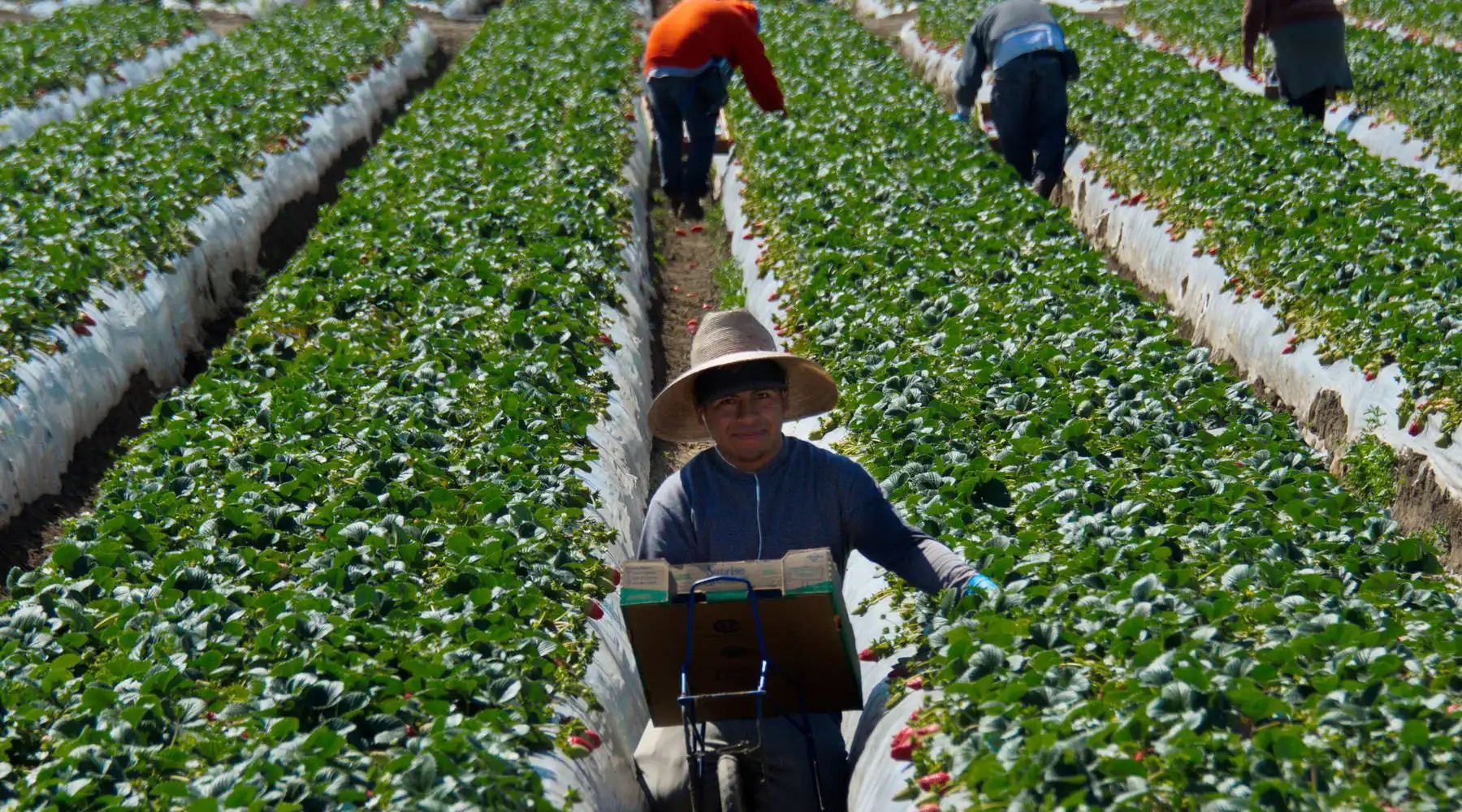
  • Heat exposure can be deadly for farm workers. Now, advocates are asking the feds to step in
    JOE KLAMAR/AFP/Getty Images

    Over the past three decades, about 800 workers have died from heat exposure; almost one in five worked in agriculture.

  • Retail stores keep watch on escalating U.S, China tariff battle
    Alex Wong/Getty Images

    (Markets Edition) With both the Trump administration and China announcing rounds of tariffs on each others’ goods, retail stores in the U.S. are keeping an even closer eye on what could happen next, especially if Trump follows through on a plan to essentially tax everything from China. We also talk to an economist for more. Also, we look to the toll that summer heat has had on farm workers, as they are 20 times more likely to die of heat-related illnesses. They are looking for more protection. Today’s show has been sponsored by Avast (avast.com), Indeed (indeed.com/marketplace) and Outside the Box Podcast (corporate.walmart.com/outside-the-box-podcast). (09/18/2018)

  • Sep 18, 2018

    Rapper Dessa on hard truths about life as a touring artist

    by Kai Ryssdal and Maria Hollenhorst
    Dessa is a touring musician and a member of the Minneapolis based hip-hop collective Doomtree.
    Chad Kamenshine/Courtesy of Dessa Wander

    "I have earned the dark circles this year," she says.

  • Bottles of Coca Cola sit in a cooler at a market on April 16, 2013 in San Francisco, California. 
    Justin Sullivan/Getty Images

    Bloomberg TV reports the soft drinks giant is in talks with Aurora Cannabis of Canada, though Coca-Cola says "no decisions have been made."

  • Chinese and US flags are seen on a Harley-Davidson motorcycle in the maintenance room of a dealership in Shanghai on August 24, 2018. - From Harley-Davidson motorcycles and US bourbon to Chinese parts and machinery, the world's two largest economies have exchanged punitive tariffs that slice through a wide swath of products.
    JOHANNES EISELE/AFP/Getty Images

    The announcement followed a warning by an American business group that a "downward spiral" in their conflict appeared certain following Trump's penalties on $200 billion of Chinese goods.

  • Floodwaters from Hurricane Florence surround a playground on September 17, 2018 in Conway, South Carolina. Many rivers in the Carolinas are approaching record flood stages and their levels will continue to rise through the week. 
    Sean Rayford/Getty Images

    The effects of Hurricane Florence include downed power lines, which left the Carolinas and Virginia without power.

  • Bottles of Coca Cola sit in a cooler at a market on April 16, 2013 in San Francisco, California. 
    Justin Sullivan/Getty Images

    (U.S. Edition) With the Trump Administration unleashing a new round of import penalties on Chinese goods, China has pledged to retaliate. We examine what the next moves could be for both countries. Also, are drinks with CBD — a non-psychoactive chemical in marijuana — on the way? There are reports that Coke could be looking into cannabis-infused drinks. Then, we preview our upcoming conversations with former senator Chris Dodd and former congressman Barney Frank, the names behind the Dodd-Frank Financial Reform Law. Today’s show has been sponsored by Avast (avast.com), Indeed (indeed.com/marketplace) and Outside the Box Podcast (corporate.walmart.com/outside-the-box-podcast). (09/18/2018)

  • China vows U.S. tariff revenge
    Johannes Eisele/AFP via Getty Images

    (Global Edition) From the BBC World Service … Salmon, soap and steel wire. Just three of the items on President Trump’s new $200 billion round of U.S. tariffs on Chinese imports. We look at how Beijing will respond. Then, a report commissioned by the U.K. government has recommended making it easier for highly skilled workers to come to the U.K. Finally, experts claim turning the clocks back an hour this fall will lead to lazy workers and more accidents. But now that the EU is considering scrapping the twice yearly change, will it make any difference? Today’s show has been sponsored by Avast (avast.com), Indeed (indeed.com/marketplace) and Outside the Box Podcast (corporate.walmart.com/outside-the-box-podcast). (09/18/2018)

  • An employee views trading screens at the offices of Panmure Gordon and Co. in 2014 in London.
    Carl Court/Getty Images

    Brad Katsuyama says some traders use tech to "know the horse race is over, and they're betting against people who still think the race is happening."

  • An employee views trading screens at the offices of Panmure Gordon and Co. in 2014 in London.
    Carl Court/Getty Images

    Marketplace Tech is spending all week looking at the risks technology can introduce to investing. Today, part one of a look at high-frequency trading. Critics of too much high-frequency trading say it makes markets vulnerable to manipulation, and the algorithms that fuel it can cause abrupt dips and rises in stock prices. Brad Katsuyama is a former big bank trader who’s the subject of the 2014 Michael Lewis book “Flash Boys.” He started studying high-frequency trading before the 2008 financial crash and eventually decided to start his own stock exchange to remove the influence of trading technologies that he says rig the market. Molly Wood talks with Katsuyama and Jonathan Macey, professor of corporate law at Yale, about the implications of high-frequency trading. (09/18/18)    

  • Rio Tinto ships raw material and finished ingots in and out of its own port facility on the bay of the Saguenay River, which flows out to the Saint Lawrence and the Atlantic Ocean.
    Emma Jacobs/Marketplace

    A 50-mile stretch along the Saguenay River in Quebec produces roughly half of Canada's aluminum; residents are anxious.

  • Time magazine may have time on its side now
    ERIC BARADAT/AFP/Getty Images

    With new billionaire owners in the wings, the iconic publication will have breathing room to focus on its future.

  • President Donald Trump speaks in July at U.S. Steel's Granite City Works plant in Granite City, Illinois. U.S. Steel credits Trump's plan to impose tariffs on imported steel with enabling it to restart idled furnaces.
    Whitney Curtis/Getty Images

    The tariffs will start at 10 percent and rise to 25 percent starting Jan. 1.

  • Sep 17, 2018

    What it takes to thrive in a constantly changing workplace

    by Kai Ryssdal and Bennett Purser
    Beth Comstock, then vice chair of business innovations at General Electric, speaks during the Fast Company Innovation Festival in 2015 in New York City.
    Photo by Brad Barket/Getty Images for Fast Company

    Beth Comstock writes about guiding General Electric through breakthroughs and challenges in her new book.

  • Sep 17, 2018

    Tender Greens CEO weighs in on retail and food service

    by Kai Ryssdal and Sean McHenry
    Tender Greens is the fast-casual restaurant chain you may not have heard of.
    Maria Hollenhorst/Marketplace

    Denyelle Bruno shares the spaces she finds most inspiring, including the "Radiohead of grocery retail."

  • A patternmaker works on a garment in New York City in 2014.
    Spencer Platt/Getty Images

    "There aren't a lot of places that can replace China," says Julia Hughes, president of the U.S. Fashion Industry Association.

  • The Trump administration will impose tariffs on $200 billion worth of Chinese products next week as President Donald Trump first threatened in June. Hundreds of people have testified and submitted written comments about their impact, including Julia Hughes, president of the United States Fashion Industry Association. We’ll chat with her, as well as Canadian aluminum producers stinging from the trade war. Plus: A conversation with Tender Greens CEO Denyelle Bruno.

  • Officers tested out the mobile units during a demonstration at Los Angeles Union Station. 
    Sasa Woodruff/Marketplace

    (Markets Edition) The president on Monday morning tweeted about the “strong bargaining position” granted by tariffs, and that “cost increases have thus far been almost unnoticeable.” There are also more retaliatory threats from China. Then, we look at body-scanning technology, which will debut in Los Angeles in November. Could other cities follow suit? Also, we look at Monday night’s Emmys and how NBC is under pressure to boost ratings for the awards show. Today’s show has been sponsored by Avast (avast.com), Indeed (indeed.com/marketplace) and Michigan Economic Development Corporation (planetm.com). (09/17/2018)

  • Officers tested out the mobile units during a demonstration at Los Angeles Union Station. 
    Sasa Woodruff/Marketplace

    Questions loom about the new technology, like whether it has potential to keep travelers safe, or if it's just security theater.

  • A statue of the Emmy Award seen upon entry on display at the 2017 Emmy Awards Governors Ball press preview on September 7, 2017, in Los Angeles, California, ahead of the 69th annual Emmy Awards.
    FREDERIC J. BROWN/AFP/Getty Images

    Over the past few years, the Emmys have been the least-watched awards show.

  • McDonald’s workers plan to protest harassment at lunch
    Justin Sullivan/Getty Images

    (U.S. Edition) Switzerland’s financial watchdog group FINMA has uncovered corruption at the global bank Credit Suisse, which will now be overseen by an independent monitor. Then, McDonald’s workers in 10 cities are planning a lunchtime strike on Tuesday to protest alleged sexual harassment on the job. Also, we check in to see what states are doing to prevent kids from vaping after FDA commissioner Scott Gottlieb threatened to pull certain e-cigarettes from the market. Today’s show has been sponsored by Avast (avast.com), Indeed (indeed.com/marketplace) and Michigan Economic Development Corporation (planetm.com). (09/17/2018)

  • New IMF warnings with just six months until Brexit
    Jack Taylor/Getty Images

    (Global Edition) From the BBC World Service … It’s just six months until Brexit, and we’ll hear from U.K. Prime Minister Theresa May, who is doubling down on her controversial plan to divorce her country from the European Union. Then, Unilever wants to scrap its dual-national share structure and move the company’s headquarters to the Netherlands. But one of the major shareholders is encouraging others to vote no. Afterwards, can cities be ageist, sexist, or racist? We’ll chat with a British architect who takes us on a tour through the city and explains why cities that cater to more diverse views are more economically productive. Today’s show has been sponsored by Avast (avast.com), Indeed (indeed.com/marketplace) and Michigan Economic Development Corporation (planetm.com). (09/17/2018)

  • Michael Osinski developed software that turned mortgages into securities for Wall Street banks. He retired years before the 2008 crash and now farms oysters on Long Island.
    Tavner Murphy/Marketplace

    The seeds of the Great Recession included a lot of greed, fraud … and some technology.

  • Michael Osinski developed software that turned mortgages into securities for Wall Street banks. He retired years before the 2008 crash and now farms oysters on Long Island.
    Tavner Murphy/Marketplace

    Here at Marketplace, we’re doing a yearlong project on the 10-year anniversary of the financial crisis called Divided Decade. At the center of it, of course, were dodgy housing loans that were packaged and resold as seemingly solid investments. They were known as mortgage-backed securities. Here’s where the tech comes in: Back in the ’90s, a guy named Michael Osinski and his wife, Isabel, wrote software that made it super simple to bundle loans into a security. Osinski retired from Wall Street eight years before the recession to farm oysters on Long Island, where he rode out the financial collapse with few ill effects on his life. Marketplace producer Eliza Mills met Osinski at his oyster beds to hear his story of making a tool that bankers used to bundle bad loans. She shares what she learned with Molly Wood. (09/17/18)