Marketplace®
Every story is an economic story
  • Mar 31, 2018

    A wild week on Wall Street

    by Molly Wood
    Traders and financial professionals work ahead of the closing bell on the floor of the New York Stock Exchange on March 26.
    Drew Angerer/Getty Images

    Policy change and international trade tensions are behind a reactive market.

  • Gold miners pose near their camp on a hillside in El Dorado, California circa 1848 to 1853. 
    Library of Congress

    California’s early history redefined how Americans saw failure and success. Today, the state’s economy continues to benefit from entrepreneurs eager to take big chances.

  • Mar 31, 2018

    Why mobile quiz apps are rocking the trivia world

    by Molly Wood and Maria Hollenhorst
    Why mobile quiz apps are rocking the trivia world
    HQ Trivia

    "It's a profitable hobby all of the sudden" says trivia enthusiast Neal Pollack.

  • Mar 30, 2018

    Why a trade war can’t be won

    by Lizzie O'Leary

    ..and why so many countries stand to lose.

  • Behind the scenes at an advertising space at 72andSunny.
    Courtesy of 72andSunny

    Dairy company Tillamook is more than 100 years old. How has their ad strategy changed?

  • Ever thought of a life without access to Twitter, Facebook or even Google? For years, residents in China have used virtual private networks, or VPNs, to bypass the government’s strict regulation on internet usage. Recently however, the Chinese government has announced a crackdown on its citizens’ use of VPNs and is closing a lot of […]

  • … but Molly Wood is here! Walmart is looking to acquire the health insurance giant Humana, which is valued at $37 billion. If approved by regulators, it’ll be the latest in a string of big health care mergers. Plus: More and more people are playing HQ Trivia for more and more money, but who’s winning? We talked with Neal Pollack, a former “Jeopardy!” champion who just made $25,000 playing a mobile trivia app. But first, of course, we’ll talk about the headlines of the past seven days in our Weekly Wrap.

  • So you purchased and sold some bitcoin. Are you going to have to pay taxes?
    Dan Kitwood/Getty Images

    The taxman cometh.

  • 03/30/2018: A disruption of the world economy
    Stephanie_Asher on Visual hunt

    (Markets Edition) With news that Walmart wants to purchase the health insurer Humana, we’ll recap what the two each stand to get from this deal. Afterwards, we’ll talk to Nobel-prize winning economist Robert Shiller about whether a trade war for the U.S. still looms on the horizon, and what this means for the global economy. Plus: A look at the Chinese government’s plans to make it harder for American companies to get around the country’s “Great Firewall,” which blocks a lot of foreign websites.

  • Mar 30, 2018

    Ask a Manager: Ask Me Anything Edition

    by David Brancaccio
    Children wave their hands at a private nursery school January 28, 2005 in Glasgow, Scotland. 
    Christopher Furlong/Getty Images

    This month we ask Alison Green about raises, regional wages, religion at work and more.

  • Tax-filing day is almost here, and taxpayers know they’re unlikely to be audited. The IRS doesn’t have enough employees or resources to come after all the cheats. Click the audio player above to hear the full story. 

  • Maxwell House Haggadot dating back to 1932.
    Peter Balonon-Rosen/Marketplace

    It's the work of one of the longest ongoing sales promotions in U.S. history.

  • Walmart in early talks to buy the health insurer Humana
    Scott Olson/Getty Images

    "Everybody in health care is in a battle with everybody else in health care …"

  • 03/30/2018: You do have to pay taxes, bitcoin owners
    KAREN BLEIER/AFP/Getty Images

    (U.S. Edition) Walmart reportedly wants to purchase health insurer Humana in a deal that could be worth $37 billion. On today’s show, we’ll take a look at why the retail giant wants to move into this space. Afterwards, we’ll discuss what bitcoin holders might see on their tax bill this year. 

  • Look at any list of the most expensive places to live in the United States, and San Francisco and the Bay Area are almost always near the top. With 3.7 million Native Americans living in urban areas, the high cost of living is changing the lives of many. High Country News reporter Julian Brave NoiseCat […]
  •  Customers shop at a Walmart store on January 17, 2017 in Skokie, Illinois.
    Scott Olson/Getty Images

    (Global Edition) From the BBC World Service … Walmart might be about to make its biggest-ever acquisition, and it doesn’t involve online shopping. Then, four African economies are among the most improved in promoting gender equality, according to a new report from the World Bank. There’s a lot to celebrate … but a lot to improve, too. Afterward, a look at the ever-changing makeup market. 

  • Mar 30, 2018

    How the future of self-driving cars looks in Arizona

    by Jon Gordon, Stephanie Hughes and Shaheen Ainpour
    A passenger looks on as he rides in a pilot model of an Uber self-driving car on in 2016 in Pittsburgh, Pennsylvania.
    ANGELO MERENDINO/AFP/Getty Images

    A fatal accident involving an Uber autonomous vehicle has called their safety into question.

  • A passenger looks on as he rides in a pilot model of an Uber self-driving car on in 2016 in Pittsburgh, Pennsylvania.
    ANGELO MERENDINO/AFP/Getty Images

    A self-driving Uber car struck and killed a pedestrian last week in Arizona. The state, which welcomed autonomous vehicle testing with the promise of little regulation, has suspended Uber’s Arizona operations. Uber had already voluntarily stopped all self-driving activities after the accident. Marketplace Tech host Jon Gordon spoke with reporter Jimmy Jenkins of public radio station KJZZ in Tempe, Arizona, to take a second look at how self-driving cars will be regulated.

  • Maxwell House Haggadot dating back to 1932.
    Peter Balonon-Rosen/Marketplace

    Why a coffee company makes the most-published Passover Haggadah. How a 109-year-old dairy company advertises on social media. Plus: What it takes to win a trade war and how to get on the internet in China. 

  • Facebook knows a lot about its users — their searches, their likes, even their chat history. But data brokers have information Facebook doesn’t.  Click the audio player above to hear the full story. 

  • Mar 29, 2018

    How are sports fines set?

    by Andy Uhler
    Fans cheer during the sixth inning between the Baltimore Orioles and St. Louis Cardinals at Oriole Park at Camden Yards on June 30, 2011 in Baltimore, Maryland.
    Rob Carr/Getty Images

    And does fining players actually work?

  • 03/29/2018: Data, data everywhere and no one stopped to think
    JOSH EDELSON/AFP/Getty Images

    … about who controls it or where it all goes. OK, that’s not great poetry, but it is a pretty good business model. Even Facebook couldn’t get enough. The embattled company was getting consumer data from outside brokers until this week, when it announced it won’t let advertisers use them. We’ll kick off today’s show by explaining the world of data brokers, along with the latest news from the latest White House Infrastructure Week. Plus: It’s opening day for Major League Baseball, so we’re looking at fines in sports. Sometimes they’re peanuts, sometimes not so much. Who decides?

  • “Data needs to be transparent and objective for the American people to consume,” says Scott Pruitt, Environmental Protection Agency administrator. Above, Pruitt answers questions at a White House briefing in June.
    Chip Somodevilla/Getty Images

    Under the new policy, academic study authors will have to share their raw data, leaving it vulnerable to distortion, some worry.

  • Starlin Castro #13 of the Chicago Cubs stands on a base honoring former Cub Ron Santo's induction into the Baseball Hall of Fame during a game against the St. Louis Cardinals at Wrigley Field on July 27, 2012 in Chicago, Ill.
    Jonathan Daniel/Getty Images

    (Markets Edition) With Trump expected to speak about infrastructure in Ohio later today, we’ll talk with Diane Swonk — chief economist at the accounting firm Grant Thornton — about the problems she sees with his proposals. Next, we’ll discuss how Atlanta’s cyberattack may have begun, and then we’ll look at what opening day for Major League Baseball means for workplace attendance. 

  • This undated picture released by North Korea's official Korean Central News Agency (KCNA) last year shows North Korean leader Kim Jong Un attending the combined fire demonstration of the services of the Korean People's Army in celebration of its 85th founding anniversary at the airport of eastern front.
    STR/AFP/Getty Images

    North Korea might end up giving up its biggest bargaining chip: nuclear weapons.

  • For baseball fans, opening day at the ballpark means an introduction to the players. It’s the season’s first taste of a stadium hot dog,  And, for some? A reason to call in sick from work. So what are employers doing to keep workers at the office? Click the above audio player to hear the full […]

  • Mar 29, 2018

    Puerto Rico austerity plan faces hurdles

    by Aaron Schrank

    Six months after Hurricane Maria, Puerto Rico’s governor is pushing an austerity plan he hopes will turn things around in the bankrupt U.S. commonwealth. He reckons the plan would allow the bankrupt U.S. commonwealth to pay back half of the principal on its debt — which includes more than $70 billion in bond debt and $50 […]

  • President Donald Trump smiles after arriving to give the State of the Union address in the chamber of the U.S. House of Representatives in Washington, D.C. on Tuesday night.
    WIN MCNAMEE/AFP/Getty Images

    (U.S. Edition) President Trump will speak in Ohio later today to tout his infrastructure plan, which had been delayed in recent weeks. On today’s show, we’ll look at what we can expect to hear from him. Afterwards, we’ll discuss how Puerto Rico’s governor plans to tackle the island’s debt — which will include some painful cuts. Afterwards, we’ll hear from Georgetown University professor Bill Brown on how sanctions might actually help develop North Korea. 

  • 03/29/2018: What happens when the gin-aissance is over?
    Victoria Craig

    (Global Edition) From the BBC World Service …there are just 365 days to go until Britain leaves the European Union, but citizens across the country still have basic questions like: Will they be able to freely travel, and how will their wallets be impacted? We chat with some of them today. Then, call it a gin-aissance … global demand for the classically British spirit is still booming. And it’s a trend that’s helped lift not just gin sales, but tonic and mixer sales, too. But what happens when the boozy bubble finally bursts? We’re on the case. 

  • Amazon is gearing up to join the music streaming business.
    David McNew/Getty Images

    The most profitable part of Amazon’s business has nothing to do with retail. A huge chunk of the internet is powered by Amazon Web Services, ranging from Pinterest to Buzzfeed to Netflix. The thing is, cloud computing is hard, and lots of companies are turning to Amazon to make it happen. But what are the downsides? Marketplace Tech host Molly Wood talks about it with Lily Hay Newman, who covers security for Wired.

  • Facebook announced a group of changes Wednesday designed to make it easier for users to manage their privacy and find out how their data is being used. The changes are intended to rebuild users’ trust in the social network after the Cambridge Analytica scandal. But they may be more of a Band-Aid than a fix.  […]

  • Hannibal Industries is the largest manufacturer of steel pallet racks in the United States.
    Ben Hethcoat/Marketplace

    The South Korea trade deal we were talking about has finally gone through, and there’s a lot in there: cars, currency manipulation and steel. South Korea gets out from under the steel tariffs that went into effect last Friday in return for limiting how much it sends here. The “here” in this case happens to be just 6 miles from Marketplace headquarters in Los Angeles. We went to Hannibal Industries, where 300 employees use imported steel to manufacture pallet racks you see at places like Costco. They’re used to some instability, but new tariffs could be a “worst-case scenario” for their business. Then: The latest on Facebook’s privacy fiasco. Plus: What’s that thing we’re always saying? Listen to the bond markets.

  • Mar 28, 2018

    Why the U.S. needs foreign steel imports

    by Kai Ryssdal and Daisy Palacios
    Hannibal Industries is the largest manufacturer of steel pallet racks in the United States.
    Ben Hethcoat/Marketplace

    After Trump’s tariff announcement, manufacturers saw raw materials prices rise.

  •  Facebook's Chief Operating Officer Sheryl Sandberg speaks with AEI president Arthur C. Brooks during a public conversation on Facebook's work on 'breakthrough innovations that seek to open up the world' at The American Enterprise Institute for Public Policy Research on June 22, 2016 in Washington, DC. 
    Allison Shelley/Getty Images

    Or, maybe not.

  • Mar 28, 2018

    China’s post-Lunar New Year job exodus

    by Jennifer Pak
    According to a survey by leading job site Zhaopin, nearly 70 percent of white-collar workers are starting a new job or actively looking to change jobs.
    Jennifer Pak/Marketplace

    The two months after the holiday are traditionally "jobs season."

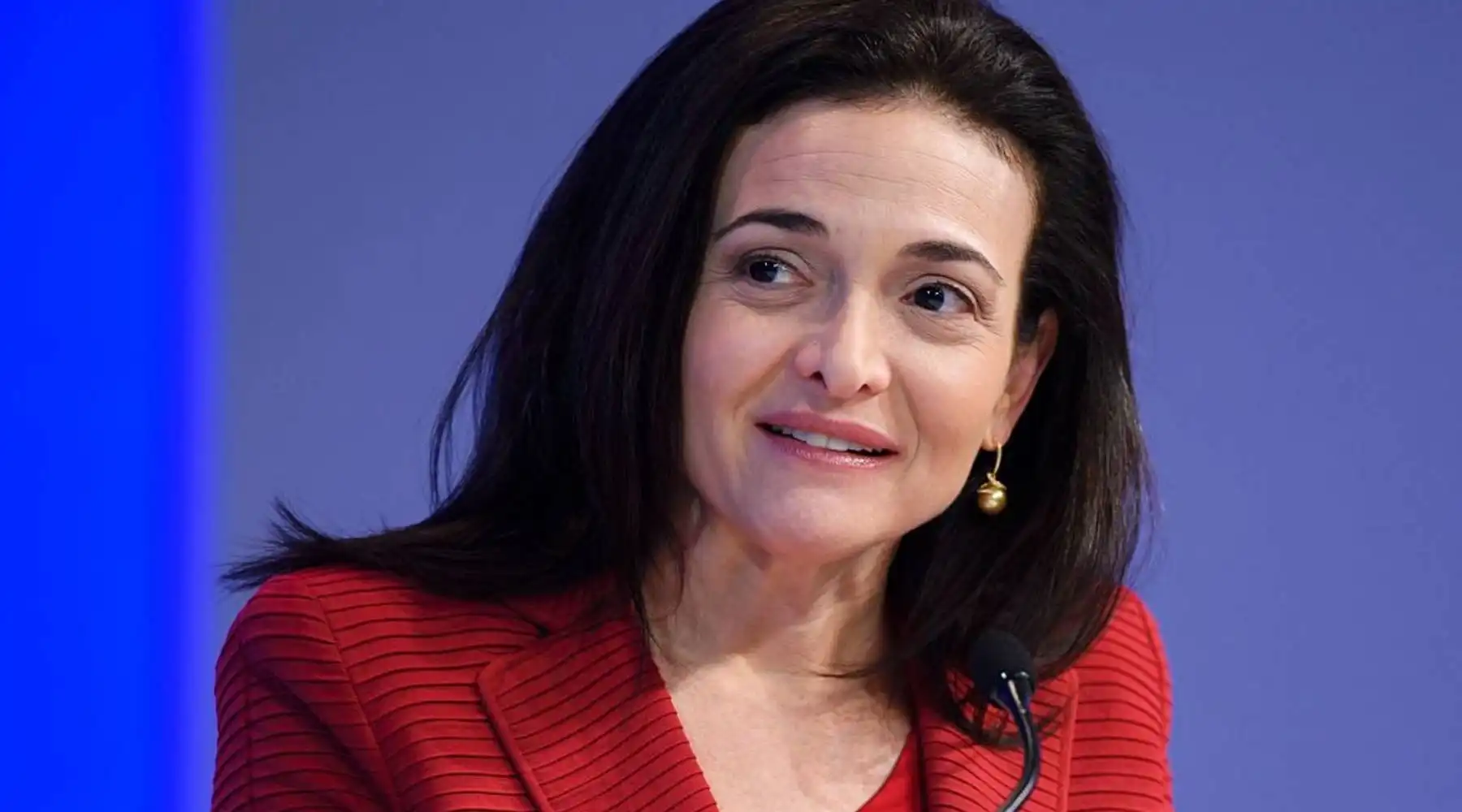
  • Sheryl Sandberg, chief operating officer of Facebook, speaks at the World Economic Forum in January in Davos, Switzerland.
    FABRICE COFFRINI/AFP/Getty Images

    Silicon Valley has seen an uptick of female chief operating officers (think Sheryl Sandberg at Facebook). Could that mean more female CEOs in the next few years?

    Download
  • 03/28/2018: Why the markets aren’t excited about America’s GDP
    BRYAN R. SMITH/AFP/Getty Images

    (Markets Edition) We have preliminary figure on the rate at which the economy grew in the last quarter of 2017, and it’s one that beat expectations: 2.9 percent. Susan Schmidt, senior vice president at Westwood Holdings Group, joined us to give some context about the number and why the markets aren’t jazzed about it. Afterwards, we’ll talk about the next phase of Walgreen’s business plans following its Rite Aid purchase last fall, and then discuss how rural areas are coping with hospital closures. 

  • Walgreens may shutter hundreds of Rite Aid stores this spring. The drugstore giant bought more than 1,900 stores from its rival last fall. And Walgreen says it still plans to close about a third of them. So what benefits will the company get from that plan? Click the audio player above to hear the full […]

  • Mar 28, 2018

    Gene editing for fresher fruit, leaner pigs

    by Dan Gorenstein

    But … do we even want that?

  • A sign lets Lewis County residents know the hours and offerings. Another sign on the building instructs patients to call 911 if the facility is closed for the night. 
    Blake Farmer/ for Marketplace

    Without enough patients with health insurance, hospitals are closing in rural parts of the country. Some communities have turned to hybrid health centers — shy of a hospital but more than a clinic — to try to meet their community's health needs.

  • 03/28/2018: Editing the genes in our food
    Christopher Furlong/Getty Images

    (U.S. Edition) Tech stocks got crushed yesterday, despite their recovery on Monday. We’ll examine what’s going on in this sector, and why this is spreading to European markets. Afterwards, we’ll look at the rise of genetically edited organisms — different from genetically modified organisms — where technology snips out or rearranges a crop’s existing genes. Plus: We explore why meat consumption is expected to hit a new record this year in the U.S. 

  • Meat consumption expected to hit a new record this year in the U.S.
    JUNG YEON-JE/AFP/Getty Images

    Demand for “clean” protein, a “pork craze” and cheap prices are fueling high meat consumption in 2018.

  • 

This photo illustration shows North Korean currency purchased at a Chinese border town, in Beijing on Mar. 6, 2013.
    MARK RALSTON/AFP/Getty Images

    (Global Edition) From the BBC World Service … A secret meeting between China and North Korea revealed: What leaders of both countries hope to gain from talks ahead of a highly anticipated summit this spring between America and the North. Then, the head of the World Trade Organization told the BBC this morning: We’re not in the midst of a global trade war yet, but we are seeing the first signs of one on the horizon. Afterward, a look how more African brands are making their mark in the luxury goods category. 

  • Mar 28, 2018

    Why Facebook thinks you know these random people

    by Molly Wood, Stephanie Hughes and Shaheen Ainpour
    Facebook comes up with some interesting "people you may know" suggestions.
    Spencer Platt/Getty Images

    The social media platform is tracking more about your acquaintances than you might realize.

  • Facebook comes up with some interesting "people you may know" suggestions.
    Spencer Platt/Getty Images

    Facebook’s data collection habits have been an eye opener for many in the past few weeks, with users learning how little control they have over their data. And Facebook isn’t just collecting data to figure out who you are, but also who you know and who your friends know. Marketplace Tech host Molly Wood spoke with Kashmir Hill, who covers privacy and tech for Gizmodo, to explain the so-called shadow profiles on Facebook.  

  • Every 10 years, the government takes an accounting of us. Ideally, every one of us. And that population count — the U.S. Census — determines a lot of things, like how many seats your state has in the House of Representatives, and how much federal money is doled out to local communities for important services […]

  • President Donald Trump signs Section 232 Proclamations on Steel and Aluminum Imports in the Oval Office of the White House on March 8, 2018, in Washington, D.C. 
    MANDEL NGAN / Getty Images

    If we want better policies, then politicians need to start thinking more like economists — and vice versa.

  • Federal agencies are now trying to figure out how to spend billions of dollars in the next six months. President Donald Trump signed the $1.3 trillion spending bill Congress sent him last week, unleashing funding for fiscal year 2018, which is already half over. It’s a use-it-or-lose it situation for federal agencies. Click the audio player […]

  • This week or next the Trump administration is expected to announce a list of Chinese exports it could slap with tariffs to punish China for what it sees as unfair trade practices. Trade talks between the U.S. and China are ongoing, and markets are certainly hoping that two biggest economies in the world might keep […]

  • The surveillance economy
    JOSH EDELSON/AFP/Getty Images

    What do you know about what Facebook knows about you?

    Download
  • Mark Zuckerberg isn't a British citizen, so he can't be compelled to appear before the United Kingdom Parliament.
    Justin Sullivan/Getty Images

    The Facebook CEO can't be forced to testify, but it might hurt his reputation, our London bureau chief says.

  • It goes something like this: “Politicians use economics the way a drunk uses a lamppost: for support, not illumination.” It’s what Princeton economist Alan Blinder is exploring in his new book: Why can’t economists and lawmakers seem to understand each other? First though: The Department of Commerce says it’s going to ask people about their citizenship in 2020. Several states are suing, and critics say it could keep some folks from talking to census takers. Today we’ll look at the potential consequences of undercounting. Plus: Mark Zuckerberg said he’d testify before Congress about the Cambridge Analyitica scandal, but he doesn’t plan to talk to the United Kingdom Parliament. We’ll look at the European perspective on Facebook’s latest controversy.

  • It wasn’t that many years ago that Apple’s devices dominated classrooms, but now they are third behind Google’s Chromebook and Microsoft’s Surface. And the $7 billion education market isn’t the only thing at stake.  Click the audio player above to hear the full story. 

  • The House of Representatives and Senate have about a dozen working days to hammer out 12 separate spending bills. Above, the U.S. Capitol.
    Win McNamee/Getty Images

    An excerpt from Princeton economics professor Alan Blinder's new book, "Advice and Dissent: Why America Suffers When Politics and Economics Collide."

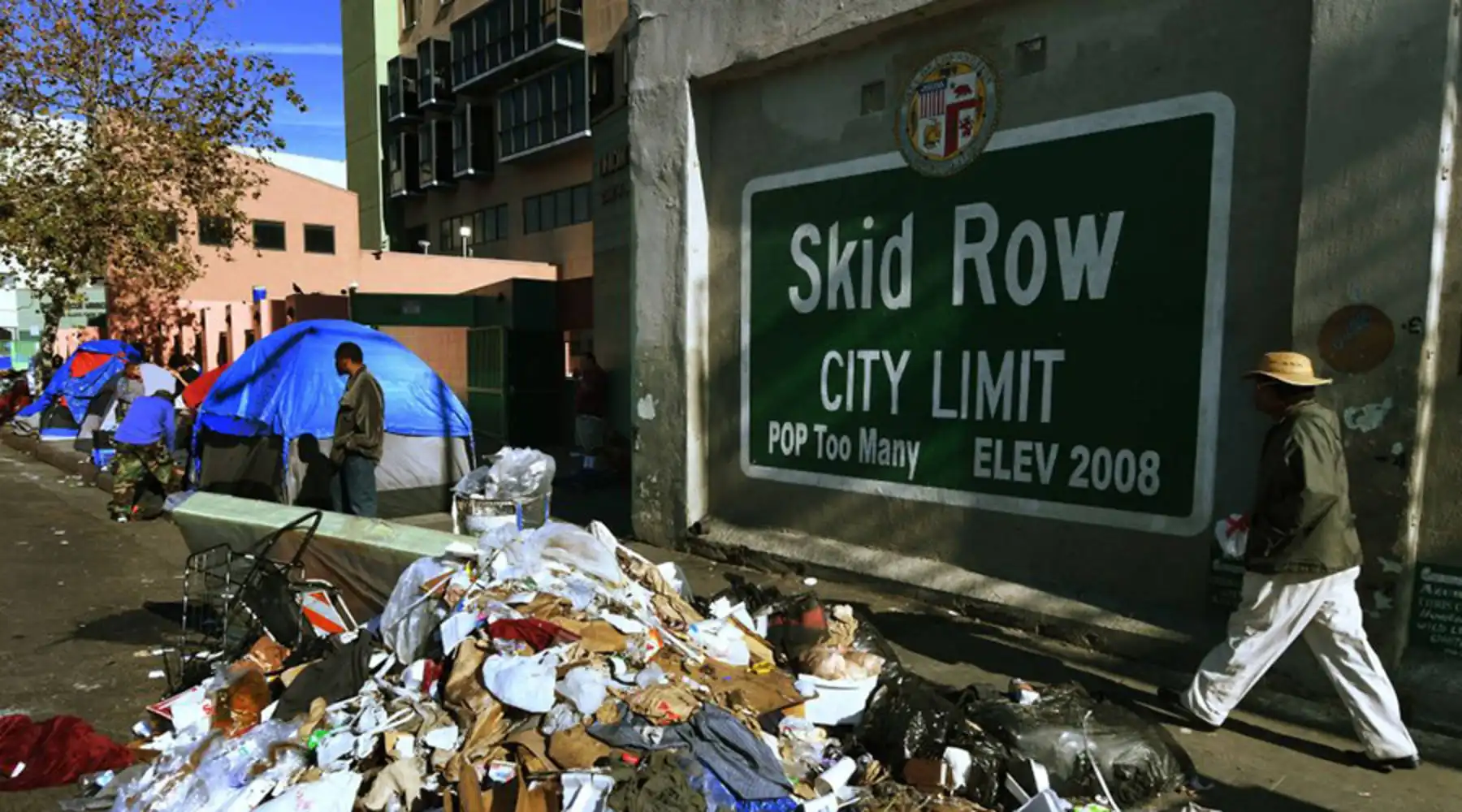
  • Trash lies beside the Skid Row City Limit mural as the city begins its annual homeless count in Los Angeles, California on Jan. 26, 2018.
    MARK RALSTON/AFP/Getty Images

    The U.S. homeless population ticked up last year for the first time since 2010, led by a 26 percent percent surge in Los Angeles.

  • 03/27/2018: What can the Federal Trade Commission actually make Facebook do?
    Sean Gallup/Getty Images

    (Markets Edition) The pressure on Facebook just keeps growing, with the Federal Trade Commission investigating whether the social media giant is properly handling its users’ information. We’ll talk to a former FTC policy adviser about what the agency can actually make Facebook do, and whether the company will have to change its basic business model. Afterwards, we’ll look at why consumer confidence levels and actual consumer spending might not always line up, and then we’ll explore how fashion startups are banking on shoppers’ desire for individuality rather than mass market trends. 

  • Mar 27, 2018

    Consumer spending lags confidence

    by Kimberly Adams

    Americans say they’re optimistic about the economy. But stores aren’t seeing it in sales numbers, yet. Click the audio player above to hear the full story. 

  • 03/27/2018: Detroit’s new urban farms
    Paige Pfleger/Marketplace

    (U.S. Edition) Markets are rallying worldwide, which may have to do with relief that we’re not facing a global trade war (at least not yet). We’ll look at why banks and tech companies are leading this rebound. Afterwards, we’ll discuss Apple’s plans for a more affordable iPad, and then explore how new farmers are putting down roots in Detroit.     

  • Michelle Reeves introduces shoppers to the new Accessory Junkie collection. 
    Julia Pickar/ for Marketplace

    Online retailers peddling a customized shopping experience.

  • 03/27/2018: Dodgy diesels in the U.K. courtroom spotlight
    Matt Cardy/Getty Images

    (Global Edition) From the BBC World Service … dodgy diesels are in the spotlight at the British High Court today where a hearing begins to decide whether there should be group litigation against Volkswagen after its 2015 emissions scandal. We’ll explain what’s at stake. Then, a new study says antibiotic use increased 65 percent and is seen rising sharply over the next 15 years. While people who haven’t had access to antibiotics now do, reliance on the drugs is also presenting a problem for the world. Afterward, Rome is eternal and apparently so is its garbage. We’ll take you there to find out what’s going on. 

  • Detroit’s new urban farms bring change and raise questions
    Paige Pfleger/ for Marketplace

    Since 2016 Detroit has gained more than 22 new large scale gardens and farms. As these new farmers put down roots, some wonder what the future of urban agriculture will look like there.

  • Director Steven Spielberg, left, and writer Ernest Cline attend the Warner Bros. Pictures “Ready Player One” presentation during Comic-Con International 2017 in San Diego, California.
    Kevin Winter/Getty Images

    “Ready Player One,” the movie based on the bestselling book opens in theaters this weekend. The story is set in a dystopian version of the future where people spend more time in a virtual world, called the OASIS, than they do in the physical world. The book is full of pop culture references from the 1980s and ‘90s, as is the movie version directed by Steven Spielberg. Marketplace Tech host Molly Wood spoke with Ernest Cline, the author of the book and a screenwriter on the film, about whether he really thinks we’ll eventually spend all of our time in virtual reality.      

  • Mar 27, 2018

    "Ready Player One" creator on balancing fantasy and reality

    by Molly Wood and Stephanie Hughes
    Director Steven Spielberg, left, and writer Ernest Cline attend the Warner Bros. Pictures “Ready Player One” presentation during Comic-Con International 2017 in San Diego, California.
    Kevin Winter/Getty Images

    Unplugging from the virtual world is essential, author Ernest Cline says.

  • South Korea has become the first nation to be permanently exempted from President Donald Trump’s steel and aluminum tariffs as part of a newly renegotiated free trade agreement between the two countries announced today. The Trump administration has used the possibility of tariffs as leverage in other trade issues as well, such as renegotiating the […]

  • The one-time Audubon Ballroom, where Malcolm X was assassinated in 1965, has been turned into a seven-story research lab.
    Marketplace

    Some experts refer to Opportunity Zones as "a zombie program, staggering on despite moribund results."

  • President Donald Trump has announced tariffs on as much as $60 billion worth of Chinese products. Above, a worker stands on a dock in Shanghai.
    JOHANNES EISELE/AFP/Getty Images

    The U.S. has accused the country of forcing American firms to transfer technology to gain access to its markets.

  • 03/26/2018: We took this personality test so you don’t have to
    DANIEL LEAL-OLIVAS/AFP/Getty Images

    Cambridge Analytica allegedly leveraged a personality test taken by 270,000 people to scrape data from 50 million Facebook users in its effort to influence elections. The quiz was based on a popular test used for modeling what’s called the “Big 5” personality traits. We had Kai Ryssdal take the personality test and talk to cybersecurity researcher Stephen Cobb about how these tests can be used as a message-targeting tool. Also on today’s show: South Korea has become the first nation to be permanently exempted from the steel and aluminum tariffs. But it has also accepted quotas reducing the quantity of steel it sends to the U.S. Lastly, we take a look at “opportunity zones,” programs in the new tax law that are trying to bring private investment to low-income communities. Such programs have proven ineffective for nearly 40 years, so why try again?

  • "Murphy Brown" creator Diane English, center, with actors Grant Shaud and Candice Bergen, attend a 25th anniversary event for the show at the Museum of Modern Art in New York City in 2013.
    Photo by Theo Wargo/Getty Images

    Writer Joy Press explains how the show changed TV history at a time when "there were very limited ways to be a woman on television."

  • I asked a security expert to reveal how Cambridge Analytica might target me based on my personality
    DANIEL LEAL-OLIVAS/AFP/Getty Images

    And they might use the same tactics on you.

  • Mar 26, 2018

    What are your workplace questions for Ask a Manager?

    by Marketplace Weekend Staff
    What are your workplace questions for Ask a Manager?
    John Pratt/Keystone Features/Hulton Archive/Getty Images

    Ask a Manager's Alison Green joins Marketplace Weekend to answer your pressing questions.

  • A general view as the Miami Hurricanes face the Wichita State Shockers during the second round of the 2016 NCAA Men's Basketball Tournament at Dunkin' Donuts Center on March 19, 2016 in Providence, Rhode Island. 
    Tim Bradbury/Getty Images

    (Markets Edition) With all the news about tariffs, we’ll check in with Julia Coronado, founder of MacroPolicy Perspectives, on how the markets are doing. Afterwards, we’ll look at how a Supreme Court case could open the door for more legal sports gambling, and then we’ll discuss Texas students’ reluctance to enroll in oil and gas majors — despite the oil boom. 

  • 03/26/2018: Maybe we won’t have a trade war after all
    Thomas Peter-Pool/Getty Images

    (U.S. Edition) China decided to retaliate against the Trump administration’s decision to impose tariffs, making their trade relationship with the U.S. look grim. But it turns out things might not be as bad as they seem, with both beginning serious negotiations over the weekend. We’ll take a look at what’s on the table. Afterwards, we’ll discuss new data that shows limited English proficiency is a barrier to owning a home, and then talk about the growing number of women who are entering the construction trade — along with some of the pitfalls they might encounter). 

  • Despite domestic oil boom, some students in Texas are hesitant to enter the field
    Spencer Platt / Getty Images

    Some colleges are finding that students are not eager to enroll in oil and gas majors.

  • 03/26/2018: China opens up to more global investors

    (Global Edition) From the BBC World Service … A first in Chinese commodities today: Crude oil futures will begin trading on the Shanghai International Energy Exchange. This is the latest in a string of moves to open up the nation’s financial markets, so what does it mean for the international trading community and investment in China? Then, why Uber is selling its Southeast Asia business to regional rival Grab. Afterward, more than 90 percent of poppies used to make heroin and morphine come from fields in Afghanistan, where last year’s harvest was the biggest ever recorded. We’ll take you there and explain how it’s impacting those fighting the global heroin epidemic, and the fight for peace and stability in the country. 

  • Mar 26, 2018

    Russian cyberattack "should wake us up," former Air Force officer says

    by Molly Wood, Stephanie Hughes and Shaheen Ainpour
    Russian cyberattack "should wake us up," former Air Force officer says
    Leon Neal/Getty Images

    Former Maj. Gen. Robert Latiff talks about the strategy behind the hacks.

  • Mary Jo Emrick works with James Mescall during a welding class at Austin Community College. 
    Courtesy of Montinique Monroe for KUT

    From harnesses to heavy-duty gloves to restrooms, construction sites are not prepared for the next generation of construction workers.

  • 03/26/2018: How vulnerable is U.S. cyberinfrastructure?
    Leon Neal/Getty Images

    Earlier this month, the Department of Homeland Security confirmed that Russian hackers have infiltrated the U.S. electric grid. That means they may have the ability to shut down major power plants. The targeted facilities included at least one nuclear power plant and other types of infrastructure as well. Marketplace Tech host Molly Wood spoke with former U.S. Air Force Maj. Gen. Robert Latiff about the strategy behind the attacks.