Marketplace®
Every story is an economic story
  • Women and their employers can both work to combat gender wage gaps
    Spencer Platt/Getty Images

    For every dollar that U.S. men make, women make about 80 cents. Black women make 63 cents for every dollar white men make. Latinas make 54 cents.

  • Six months ago, Hurricane Maria made landfall in Puerto Rico. According to the official death toll, 64 people lost their lives, but other counts put the total closer to 1,000. The storm also knocked out power and destroyed homes. Thousands of people left the island but others stayed. Michelle Rodriguez is one of them. She’s […]

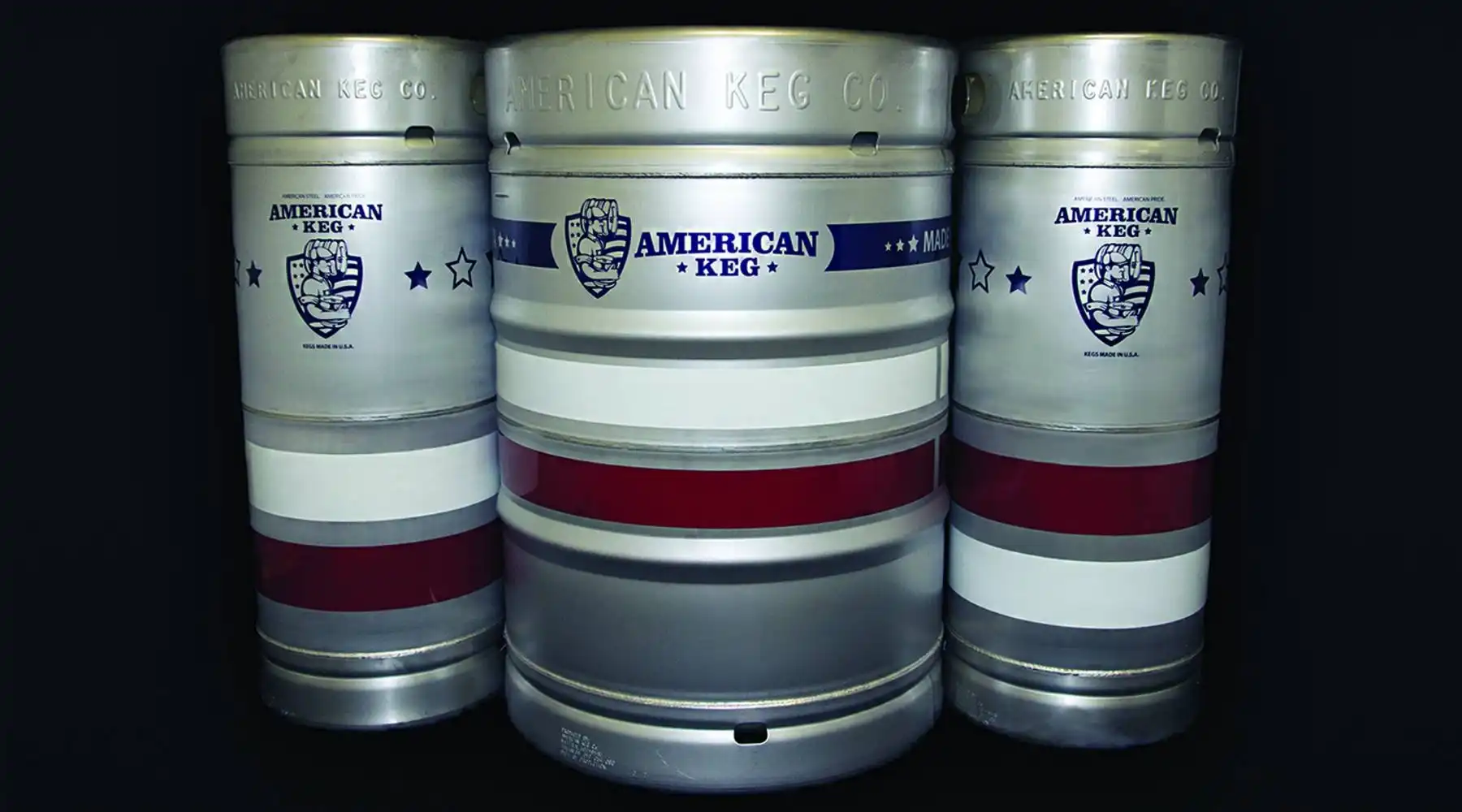
  • The American Keg Co. is the last company in the U.S. making stainless steel kegs using only American steel.
    Courtesy American Keg Co.

    "As the import steel goes up in cost so does the domestic steel," Paul Czachor, CEO of American Keg Co. told us.

  • Mar 17, 2018

    Why the U.S. spends twice as much for health care

    by Marketplace Weekend Staff

    Health care in the United States costs a lot of money. In fact, we, as a country, spend twice as much as other wealthy nations. And we’re collectively less healthy than many others. But why is it like this? Conventional wisdom says that Americans use more health care — more tests, scans, screenings and prescriptions. […]

  • "We were using duct tape and string to try to hold the thing together"
    Don Emmert/AFP/Getty Images

    We get a preview of Kai's interview with Tim Geithner, Henry Paulson and Ben Bernanke.

  • European Union trade commissioner Cecilia Malmström gives a press conference at the European Commission Headquarters in Brussels on March 7, 2018.
    ARIS OIKONOMOU/AFP/Getty Images

    Fearing for its steel producers, the EU warns of retaliatory tariffs on U.S. exports.

  • If the legal machinations of giant corporate mergers are your thing, next week is gonna be a good one for you. The U.S. v. AT&T and Time Warner heads to Federal court Monday. The Justice Department is trying to block the $85 billion deal, and the companies are fighting back. The case has a lot to do with the changing media landscape, of course, but it also says a lot about big mergers in the Trump era. First though, we have to deal with the week that was: Trade, sanctions and toys. Plus, why do we associate mint flavor with cleanliness? You’ve always wondered.

  • Justin and Leigh Brannan were married at the former headquarters of Bear Stearns, in 2012. 
    Photo courtesy of Justin and Leigh Brannan

    High U.S. health care costs, a Bear Stearns love story and an insider’s guide on how to be a toymaker. Plus, the gender wage gap and, in honor of St. Patrick’s Day, the only company making kegs from American steel.

  • Jim Haffey, an agent at Howard Hanna Realty Services, says the influx of new realtors has him working harder to find new business. Recently, he's started sending video postcards to potential clients.
    Adrian Ma for Marketplace

    (Markets Edition) New housing construction fell 7 percent last month and retail sales aren’t looking the strongest. We’ll talk to Chris Low, chief economist at FTN Financial, about how turmoil in Washington can trickle down to businesses. Afterwards, we’ll look at how real estate agents are experimenting with new ways to find clients in an increasingly competitive field. Plus: A new report that says Trump’s team is getting ready to punish China for stealing U.S. intellectual property.

  • They're back with brand new episodes on March 13. 
    Christopher Michel/Marketplace

    Your regularly scheduled episode of Marketplace is landing in your feed later today, but for now we have something special. Make Me Smart with Kai and Molly is back with brand-new weekly episodes, wading into the big topics we want to get smart about. This week we’re looking at the fall of Wall Street bank Bear Stearns, exactly 10 years ago. Plus, Kai and Molly talk with Ai-jen Poo, an advocate for domestic workers who accompanied Meryl Streep to the Golden Globes this year. She’s using her Hollywood moment to make sure #MeToo is working for everyone. Subscribe to Make Me Smart and join the conversation.

    Download
  • Mar 16, 2018

    Iran deal may be imperiled

    by Nancy Marshall-Genzer

    President Donald Trump’s choice to replace Rex Tillerson as secretary of state could spell trouble for the nuclear deal with Iran. Trump’s nominee, Mike Pompeo, shares the president’s disdain for the agreement. The international commission implementing the Iran deal will try to hammer out a compromise at a meeting in Vienna today.   Click the […]

  • Russia holds a presidential election this Sunday. Observers say incumbent Vladimir Putin is almost certain to win. Putin has been keen to sell his people a narrative of a strong, resurgent Russia, but many are disappointed by the state of the nation’s economy. Click the audio player above to hear the full story. 

  • 03/16/2018: Millennials think the U.S. should take care of people who lost jobs to automation
    littlelostrobot/Flickr

    (U.S. Edition) Russia is holding its presidential election this weekend, and the winner will likely be Vladimir Putin. But as he cruises toward a third term, he’ll continue presiding over a sluggish economy. On today’s show, we’ll take a look at some of the economic issues the country is facing. Plus: While the U.S. has inched toward easing economic sanctions on Iran, that may changed now that CIA Director Mike Pompeo has taken over the role of Secretary of State from Rex Tillerson. We’ll discuss what could happen if the U.S. decides to pull out of the Iran deal. Then, we’ll chat with Cathy Cohen, a political science professor at the University of Chicago and the founder of the survey GenForward, about millennial attitudes toward technology and how they feel it could affect their job prospects. 

  • 03/16/2018: Finance ministers meet amid trade war warnings
    JUAN MABROMATA/AFP/Getty Images

    (Global Edition) From the BBC World Service … Finance ministers from G-20 nations, the world’s major economies, will meet in Argentina this weekend, against a backdrop of increasing talk of a global trade war. Chris Watling, chief executive of Longview Economics, tells us President Trump’s view on trade relations with China is too simplistic. Also: On World Sleep Day, we hear that while a lack of sleep might be damaging to our health, the cost to economies could stretch into billions of dollars. Dr. Marco Hafner, senior economist at Rand Europe, explains the findings. Plus: the BBC’s Ijeoma Ndukwe visits a girl empowerment project in Nigeria, a country where more than 10 million children aren’t in formal education.

  • Most millennials think the U.S. should take care of people who lost jobs to automation
    littlelostrobot/Flickr

    For many, even if that means raising taxes substantially.

  • Mar 16, 2018

    Why the biggest tech deal ever got squashed

    by Molly Wood, Stephanie Hughes and Shaheen Ainpour
    Qualcomm President Cristiano Amon speaks during a press event at CES 2018 at the Mandalay Bay Convention Center in January in Las Vegas.
    David Becker/Getty Images

    The Broadcom-Qualcomm merger didn't get very far. Here's why President Trump intervened.

  • Jim Haffey, an agent at Howard Hanna Realty Services, says the influx of new realtors has him working harder to find new business. Recently, he's started sending video postcards to potential clients.
    Adrian Ma for Marketplace

    With fewer homes to sell, realtors say they need to look for new ways to find business

  • This week President Donald Trump signed an executive order that put a halt on a merger between two giants in the microchip-making business. Singapore-based Broadcom was attempting to buy California-based Qualcomm. The president cited national security concerns in his order to block the merger. At issue was Qualcomm’s role in developing next-generation wireless connectivity, or 5G. Marketplace Tech host Molly Wood spoke with Roger Cheng, executive editor at CNET, about why 5G is so important to U.S. interests.         

  • British military personnel wearing protective coveralls work to remove a vehicle connected to the March 4 nerve agent attack in Salisbury, from a residential street in Gillingham, southeast England on March 14, 2018.
    ADRIAN DENNIS/AFP/Getty Images

    The U.S., France and Germany also condemn alleged Russian killing.

  • Mar 16, 2018

    Let’s do the numbers: St. Patrick’s Day edition

    by Danielle Chiriguayo
    A water taxi navigates the Chicago River shortly after it was dyed green in celebration of St. Patrick's Day on March 11, 2017 in Chicago, Illinois.
    Scott Olson/Getty Images

    From closed bars to Pedialyte, here are a few things you might not have known about the holiday.

  • Mar 16, 2018

    Can tariffs bring back Big Steel?

    by Erika Beras
    The Carrie Furnace, a blast furnace that has been closed for nearly 40 years, is now a national landmark and is visited by tourists interested in learning Pittsburgh's history.
    Erika Beras/Marketplace

    That's the plan, but pulling it off may be a lot more complicated than it sounds.

  • Mar 15, 2018

    How to be a toymaker

    by Eliza Mills
    Melissa Bernstein started her career at Morgan Stanley ... but once she ditched investment banking and started making toys, she found her dream job.  
    Courtesy Melissa & Doug

    Melissa Bernstein of Melissa & Doug on how she does her job.

  • Mar 15, 2018

    A match made at Bear Stearns

    by Amy Scott
    Justin and Leigh Brannan were married at the former headquarters of Bear Stearns, in 2012. 
    Photo courtesy of Justin and Leigh Brannan

    Ten years later, a couple who met at the bank look back on its collapse.

  • Justin and Leigh Brannan were married at the former headquarters of Bear Stearns, in 2012. 
    Photo courtesy of Justin and Leigh Brannan

    Yesterday we examined the financials that lead to the fall of Bear Stearns, and now we’re going to look at the human side: A couple of unlikely Wall Street workers who met and eventually got married at Bear’s headquarters. We’ll trace their relationship through the bank’s collapse and catch up with what’s happened since. First though, we’ll talk about the latest Russian sanctions here and abroad. Plus: A closer look at the National Rifle Association’s scorecard, a powerful grading system that candidates run on — or run from.

  • The discount retailer has plans to move into 100 cities by the end of the year

  • How one shady employee can poison the workplace
    George Marks/Retrofile/Getty Images

    When you're exposed to a shady colleague, you're 40 percent more likely to also engage in their bad business practices.

  • 03/15/2018: The Senate is relaxing rules on Wall Street
    John Moore/Getty Images News

    (Markets Edition) The Senate has voted to relax the regulations put on banks after the financial crisis (also known as Dodd-Frank), which critics like Sen. Elizabeth Warren are calling “The Bank Lobbying Act.” We’ll look at how lax, exactly, these rules will become for the banking industry. Afterwards, we’ll talk to economist Diane Swonk about what she thinks some of Dodd-Frank’s limitations are, and then we’ll head to Virginia to find out why the felony threshold for property theft is so low.

  • President Trump  and Russia's President Vladimir Putin walk together during the Asia-Pacific Economic Cooperation (APEC) leaders' summit back on Nov. 11, 2017.
    JORGE SILVA/AFP/Getty Images

    Treasury Secretary Steven Mnuchin said late February that they would be coming soon.

  • President Trump has tapped CNBC commentator Lawrence Kudlow to head the National Economic Council. So where does Kudlow stand on tax cuts, protectionist tariffs, and government regulation? What kind of adviser will he be to the president on economic issues? Click the audio player above to hear the full story. 

  • 03/15/2018: What happens when a bad employee joins a new team
    Matthew Wiebe/Visual Hunt

    (U.S. Edition) President Trump has tapped CNBC commentator Larry Kudlow as the new head the National Economic Council. Let’s take a look at what Kudlow might bring to the job as the top economic adviser. Afterwards, we’ll look at Unilever’s decision to cut ties with London and base its headquarters solely in the Netherlands, and then talk to one finance expert about what happens when a bad employee enters the workforce.

  • Virginia Governor Ralph Northam recently struck a bipartisan deal to raise the state’s felony larceny threshold in exchange for restitution reform.
    Courtesy of Craig Carper/WCVE News

    Virginia’s felony threshold for property theft is tied with New Jersey for the lowest in the nation at $200. There’s bipartisan support to raise it to $500 this year, but that’s still far below the threshold for most states.

  • Mar 15, 2018

    AT&T and Time Warner are about to have their day in court

    by Molly Wood, Stephanie Hughes and Shaheen Ainpour
    AT&T and Time Warner are about to have their day in court
    KENA BETANCUR/AFP/Getty Images

    The government hasn't blocked this type of "vertical" merger since the 1970s.

  • Russian President Vladimir Putin
    Sean Gallup/Getty Images

    (Global Edition) From the BBC World Service. .. The U.K. announced actions against Russia over the poisoning of a former double agent — will the Kremlin’s response include economic measures? We hear from Evghenia Sleptsova, a senior economist for Central and Eastern Europe with Oxford Economics. Also: Singapore tops the list of the world’s most expensive cities to live in, but how far will your money go in the U.S. and Europe? Nikita Sisaudia crunched the numbers for the Economist Intelligence Unit and tells us more. Plus: more women around the world are earning a wage, but in India, that trend seems to be reversing. The BBC’s Rahul Tandon in Kolkata has been finding out why.

  • 03/15/18: Why the government is suing AT&T and Time Warner
    KENA BETANCUR/AFP/Getty Images

    AT&T wants to buy Time Warner and the Justice Department isn’t having it. The Justice Department filed a civil antitrust lawsuit against AT&T and Time Warner last November to prevent the merger. The government’s case rests on whether the merger would lessen competition in the entertainment marketplace and harm consumers. The case will go trial next week. Marketplace Tech host Molly Wood spoke with Michael Carrier, a professor of law at Rutgers, about what’s at stake. 

  • Mortgage finance giants Fannie Mae and Freddie Mac consider one credit score when determining the creditworthiness of mortgage applicants: FICO.  Some members of Congress want to change that by adding a provision to a bank deregulation bill that would require Fannie and Freddie to also look at applicants’ VantageScore. The company that calculates VantageScores is […]

  • Midtown buildings are reflected in a window at Bear Stearns headquarters March 24, 2008 in New York City. 
    Chris Hondros/Getty Images

    Economists look back on the 2008 financial crisis and the changes in banking regulation that have occurred since.

  • Toys R Us is closing about a fifth of its stores.
    DANIEL LEAL-OLIVAS/AFP/Getty Images

    Store closings and bankruptcies are usually blamed on online competition. But that's only part of the story.

  • Midtown buildings are reflected in a window at Bear Stearns headquarters March 24, 2008 in New York City. 
    Chris Hondros/Getty Images

    On this day in 2008, an 85-year-old investment bank became the very public face of the financial crisis. Only a $29 billion loan guarantee from the Federal Reserve and JP Morgan’s buyout kept Bear from actual bankruptcy, but the company was ruined. We’re marking this anniversary as part of our series Divided Decade, and on today’s show we’ll look at the financial infrastructure that made the crisis so contagious, and what’s changed. Then: What you need to know about Theranos, amid the news that the blood-testing startup’s CEO has been charged with “massive fraud.” Plus: Gary who? We’ll tell you everything you need to know about Trump’s new top economic adviser, Larry Kudlow.

  • Mar 14, 2018

    What you need to know about Larry Kudlow

    by Kimberly Adams
    White House National Economic Council Director Larry Kudlow calls on reporters during a briefing about the upcoming G7 meetings in the Brady Press Briefing Room at the White House June 6, 2018 in Washington, DC.
    Chip Somodevilla/Getty Images

    The CNBC senior contributor is Trump's new top economic adviser.

  • Elizabeth Holmes (L), founder and CEO of Theranos being interviewed by Matthew Herper, a senior editor for Forbes Media, at Forbes Under 30 Summit on Oct. 5, 2015.
    Lisa Lake/Getty Images

    The settlement comes two years after the SEC began looking into claims at Theranos that it had developed potentially revolutionary blood-testing technology.

  • After a short lecture, Treasury Secretary Steven Mnuchin spoke with Marketplace host Kai Ryssdal at the UCLA Burkle Center for International Relations in Los Angeles. 
    Courtesy: UCLA

    He's a former CEO who now plays a pivotal role in our financial system and greater economy.

    Download
  • Chinese worker moves aluminum pipes at the Qinghai Guoxin Aluminium Industry Incorporated Company workshop in Xining of Qinghai Province, China.
    Feng Li/Getty Images

    (Markets Edition) Many economists are talking about the dangers of Trump’s steel and aluminum tariffs, but his announcement hasn’t really been rattling the markets. What gives? Susan Schmidt, senior vice president and portfolio manager at Westwood Holdings Group, joined us to explain why they aren’t panicking. Afterwards, we’ll look at tensions in Alabama over a state law that makes it illegal for anyone to move or alter a monument that’s 40 years or older without special approval. Critics of the law say that it’s protecting Confederate memorials.

  • A man walks out of Bear Stearns headquarters on March 24, 2008 in New York City.
    Chris Hondros/Getty Images

    New York Times reporter Kate Kelly discussed the types of people who worked at Bear Stearns, including CEO Jimmy Cayne.

  • A Bear Stearns employee enters company headquarters.
    Emmanuel Dunand/AFP/Getty Images

    (U.S. Edition) When it comes to health care, the U.S. spends a whopping $3 trillion. And the reason for that may not be us going to the doctor’s office too often. We’ll look at a new article from the Journal of the American Medical Association that shows what may really be the cause. Afterwards, we’ll look at South Dakota’s push to get out-of-state online retailers to collect sales taxes. Then we’ll talk to New York Times reporter Kate Kelly about the culture at Bear Stearns — the investment bank that failed during the financial crisis — and the types of people who worked there.

  • Birmingham police officers look over the confederate monument in Linn Park after Birmingham Mayor William Bell ordered it covered Aug. 18, 2017 in Birmingham, Alabama. Officers are now guarding the monument continuously. 
    Hal Yeager/ Getty Images

    The Alabama Memorial Preservation Act will soon have its first test in court. Alabama’s Attorney General has filed suit against the City of Birmingham for covering part of a Confederate monument.

  • 03/14/2018: U.K. considers fresh Russia sanctions
    Alexander Aksakov/Getty Images

    (Global Edition) From the BBC World Service … British Prime Minister, Theresa May is expected to announce measures against Russia on Wednesday. The country failed to meet her midnight deadline to explain how a nerve agent was used to poison a former spy, living in the U.K. The Kremlin has strongly denied any involvement — we look at what might happen next. Also in this edition: tributes are being paid to Professor Stephen Hawking, the British scientist who explained the workings of the universe to millions, who has died aged 76. Plus: The BBC’s Cindy Sui explores how Taiwan transformed itself from “garbage island” into a top global recycler.

  • How a friend’s assault led one researcher to study sexual harassment in science
    Darren Hauck/Getty Images

    Anthropologist Kathryn Clancy studies harassment that occurs among science researchers, and finds it's prevalent and not often reported.

  • 03/14/2018: How hierarchy can lead to harassment among science researchers
    Darren Hauck/Getty Images

    Are scientists prioritizing data collection over reporting harassment? That’s one of the questions that caused University of Illinois anthropologist Kathryn Clancy to examine harassment in research laboratories and field sites.  She found that it’s prevalent in science as much as other fields, and that often researchers don’t know the procedures for reporting incidents. Clancy talks with Marketplace’s Kimberly Adams about the harassment that exists in scientific research, and what universities can do to change it.

  • Mar 14, 2018

    Women in the gig economy: We want to hear from you

    by Marketplace Weekend Staff
    Are you a woman working in the gig economy and have story to tell? Let us know.
    GURCAN OZTURK/AFP/Getty Images

    The gig economy is mostly male. Let's find out why.

  • Mar 14, 2018

    Big Tech is slowly, carefully creeping into banking

    by Molly Wood and Maria Hollenhorst

    After disrupting retail, bookstores and media, tech companies are tiptoeing into the highly-regulated world of banking.

  • International reaction to President Trump’s firing of Secretary of State Rex Tillerson has been muted. One of the few public statements today came from Germany’s deputy foreign minister, who said it would not improve ties with his country. The State Department will face some tough challenges globally in the months ahead — everything from North […]

  • The Trump Administration is reportedly looking to impose tariffs on Chinese goods, adding up to $60 billion in tariffs that would target tech products and telecom companies. That follows the White House’s surprise move to block Singapore-based Broadcom’s bid to buy Qualcomm because of possible national security implications. Semiconductor deals often get extra scrutiny since the tech is so important, but this case is different. That’s where we’re starting today. Then we’ll look at the job ahead of Trump’s new secretary of state, Mike Pompeo. Plus, an excerpt from this week’s Make Me Smart, which returns with new episodes today.

  • Daniela Silva Abascal and her father Daniel Silva Soto at home in Puebla, Mexico.
    Jorge Valencia for Marketplace

    More than a quarter million people who were born in the U.S. to Mexican parents live in Mexico and haven’t been registered in either place.

  • There are up to 2 million people going to work in homes across America. Many of these domestic workers have little-to-no legal protections, and many of them experience sexual harassment or assault. Marketplace’s Molly Wood and Kai Ryssdal speak with Ai-jen Poo, director of the National Domestic Workers Alliance about how that is changing. Hear […]

  • Meryl Streep and Ai-jen Poo, the head of the National Domestic Workers Alliance, arrive for the 75th Golden Globe Awards on Jan. 7 in Beverly Hills, California.
    VALERIE MACON/AFP/Getty Images

    Is the #MeToo movement reaching domestic workers? We’ll talk with advocate Ai-jen Poo about it.

    Download
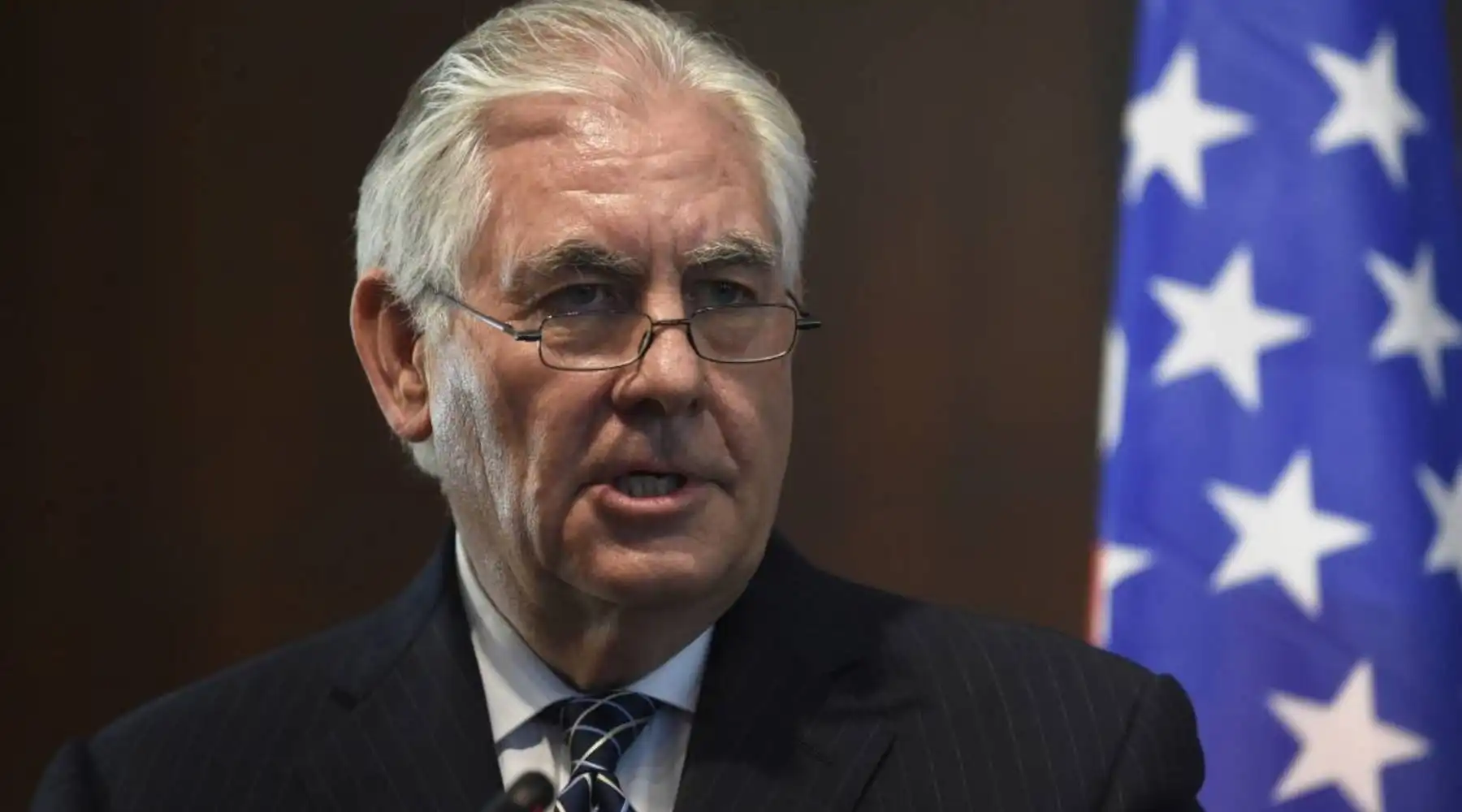
  • U.S. Secretary of State Rex Tillerson holds a press conference with Nigeria's foreign minister in Abuja on Monday.
    PIUS UTOMI EKPEI/AFP/Getty Images

    (Markets Edition) President Trump has ousted Secretary of State Rex Tillerson, replacing him with CEO director Mike Pompeo. We’ll talk to expert Ian Bremmer, president of a political risk consultancy called the Eurasia Group, about the differences between the two and what this shake-up could mean for foreign policy. Afterwards, we’ll look at key stock indicators are doing, and then discuss the Trump administration’s efforts to thwart Broadcom’s hostile takeover of Qualcomm. 

  • The National Low Income Housing Coalition issued a report Tuesday that highlights a shortage of more than 7 million affordable and available rental homes for extremely low-income households. And the affordable housing crunch could get even worse soon. The reason? The new tax law. Click the above audio player to hear the full story.

  • U.S. Secretary of State Rex Tillerson holds a press conference with Nigeria's foreign minister in Abuja on Monday.
    PIUS UTOMI EKPEI/AFP/Getty Images

    A White House official said Trump wanted to have a new team in place ahead of upcoming talks with North Korea and various trade talks.

  • A coalition of unions representing more than 38,000 Disney employees is in the midst of a dispute over higher wages.
    Monivette Cordeiro

    The company and more than 38,000 unionized employers are still in wage negotiations.

  •  Sheila Bair.
    Chip Somodevilla/Getty Images

    (U.S. Edition) Broadcom — a Singapore-based chipmaker — tried to buy its American-based competitor Qualcomm in a hostile takeover, but the Trump administration announced it blocked the deal yesterday. On today’s show, we’ll look at some of the reasons why the U.S. would want to block this deal. Afterwards, we’ll talk with Sheila Bair — former chair of the Federal Deposit Insurance Corporation — about the government’s role during the financial crisis and whether they overstepped their bounds.

  • 

This photo illustration shows North Korean currency purchased at a Chinese border town, in Beijing on Mar. 6, 2013.
    MARK RALSTON/AFP/Getty Images

    (Global Edition) From the BBC World Service … A leaked draft of a United Nations report claims two Singapore companies have violated sanctions against North Korea. Could the practice be more widespread across Asia than previously thought? We hear more from the BBC’s Karishma Vaswani in Singapore. Plus: Sweden is known for its spirit of humility — a concept called “Jantelagen” — but could this deterring outside investors? The BBC’s Maddy Savage hears from startups that want to shout about their country’s strengths.

  •  Sheila Bair.
    Chip Somodevilla/Getty Images

    The former head of the Federal Deposit Insurance Corp. shares her perspective.

  • Birgit Skarstein of Norway competes in the Women's Cross Country 12km, Sitting event at Alpensia Biathlon Centre during day two of the 2018 Paralympic Games on March 11, 2018 in Pyeongchang, South Korea.
    Lintao Zhang/Getty Images

    The Winter Paralympics have been going on since 1976. How has the technology — and the funding for it — evolved since then?

  • Birgit Skarstein of Norway competes in the Women's Cross Country 12km, Sitting event at Alpensia Biathlon Centre during day two of the 2018 Paralympic Games on March 11, 2018 in Pyeongchang, South Korea.
    Lintao Zhang/Getty Images

    The winter Paralympics have been held for more than 40 years. Athletes compete in events such as alpine skiing, some using a sit ski, with a seat attached to a single ski. There’s also biathlon, in which vision impaired athletes use sound to find targets. How has technology affected the evolution of the games — and what role does money play in who has that tech? Marketplace’s Kimberly Adams talks with Ian Brittain, a research fellow at Coventry University in the United Kingdom, where he studies disabilities and the Paralympics. 

  • In China, the internet is censored. You can’t get access to Google, or Facebook or Twitter unless you have a workaround known as a virtual private network. VPN technology lets users jump over the so-called Great Firewall of China. But now those jumping days could be ending. By month’s end, Beijing plans to block all VPN […]

  • Fifth graders working in a math class at AltSchool Yerba Buena. 
    Sarah Tan/Marketplace

    Learning platforms that create individualized curriculums for student are a growing industry.

  • A role player in Plymouth, Massachusetts, tends cows at Plimoth Plantation. The 17th century replica village was the site of the first Thanksgiving in 1623.
    Joe Raedle/Getty Images

    The Pilgrims were early colonial entrepreneurs — but they weren't the first.

  • A job seeker fills out a registration form as he waits to enter the San Francisco Hirevent job fair at the Hotel Whitcomb on March 27, 2012 in San Francisco, California.
    Justin Sullivan/Getty Images

    Black women are starting their own businesses at the highest rate of any demographic group, report says.

  • The original mauve — similar to the shade depicted in this image — was much brighter than the color we know today.
    William Thomas Cain/Getty Images

    A teenager tinkering in his lab invented a brilliant synthetic shade of purple in Victorian England.

  • Travelers are expected to spend about $12 billion over the holiday weekend.
    Scott Olson/Getty Images

    (Markets Edition) One potential consequence of Trump’s planned trade tariffs: America’s infrastructure. We’ll look how pricier steel could mean pricier projects. Afterwards, we’ll hear from Rick Lockett as part of our “Divided Decade” series on how he struggled to find work, after graduating law school, in the midst of the financial crisis. 

  • President Donald Trump plans to visit California this week. He’s expected to stop in San Diego to take a look at prototypes for a border wall with Mexico. But the big question still looms: How much will it cost, and will Congress fund it? Click the audio player above to hear the full story. 

  • Protestors walk out of the lobby of the Bear Stearns headquarters March 26, 2008 in New York. Hundreds of housing activists overwhelmed security and stormed the lobby of the Bear Stearns skyscraper in Manhattan, staging a noisy rally and protesting the government-backed sale and bailout of the investment bank.
    Chris Hondros/Getty Images

    (U.S. Edition) With President Trump pushing to impose tariffs on imported aluminum and steel, we’ll discuss the latest updates coming out of Brussels, where the European Union, Japan and the U.S. met to discuss the issue. Afterwards, we’ll look back at Bear Stearns’ struggles during the financial crisis, and JPMorgan Chase’s decision to snap the investment bank up.

  • A flame from a Saudi Aramco oil installation known as 'Pump 3' is seen in the desert near the oil-rich area of Khouris.
    MARWAN NAAMANI/AFP/Getty Images

    (Global Edition) From the BBC World Service … When Saudi Aramco floats on public markets, it’s likely to be the world’s biggest-ever stock listing. Officials at the oil firm were expected to announce which exchanges it would be traded on fairly soon, but now, it seems that investors will have to wait until next year. We hear more from the BBC’s Philip Hampsheir. Next: over 30,000 farmers have spent days walking across India in protest at their economic situation, calling on the government for help. From the protest, the BBC’s Suranjana Tewari tells us about the kinds of measures they want to see. Plus: the Fukushima earthquake and nuclear disaster caused Japan to invest more in renewable energy – seven years on, are the benefits beginning to show? 

  • Mar 12, 2018

    How the Bear Stearns deal looks 10 years later

    by Tracey Samuelson
    Protestors walk out of the lobby of the Bear Stearns headquarters March 26, 2008 in New York. Hundreds of housing activists overwhelmed security and stormed the lobby of the Bear Stearns skyscraper in Manhattan, staging a noisy rally and protesting the government-backed sale and bailout of the investment bank.
    Chris Hondros/Getty Images

    At first, it seemed like a bargain for JPMorgan. Then the fines rolled in.

  • President Donald Trump has complained about unfair trade practices with China since before his campaign even began. But in the escalating war of words around trade, the White House has a new target: The European Union, one of America’s most important trade partners. That’s where we’re starting today. Then, after a long IPO drought, a bunch of high-profile startups are going public. Plus: Unemployment is really low right now, near record lows in every demographic. But unemployment among black Americans is still much higher, nearly double that of white Americans. That’s stayed consistent in good and bad economic conditions. Black Americans earn less on average than other workers, too, even when you control for education and training. But black women have been starting their own businesses at the highest rate of any demographic group. We’ll do the numbers. 

  • SoftBank Group Corp Chairman and CEO Masayoshi Son gestures as he delivers a speech during a press briefing to announce the company's financial results in Tokyo on Feb. 7, 2018.


    KAZUHIRO NOGI/AFP/Getty Images

    The Japanese multinational SoftBank Group launched its $98 billion VisionFund last year. Since then, it’s dramatically changed the landscape in tech and venture capital. The fund has taken a majority stake in Uber, poured billions into WeWork, Nvidia, DoorDash, Slack and the dog walking startup Wag. SoftBank’s influence is so big, it’s pushing other venture capital companies to raise more money. Sequoia Capital, one of Silicon Valley’s best-known firms, is reportedly trying to raise more than $12 billion in new capital just to keep up. Marketplace Tech host Molly Wood speaks to Anand Sanwal of CB Insights about how VisionFund is changing everything.