Marketplace®
Every story is an economic story
  • How one woman turned Emmy gift bags into a career
    Alberto E. Rodriguez/Getty Images

    A look at making of, and the drama behind, a celebrity gift bag.

  • Mariachi Plaza and the larger Boyle Heights neighborhood have become the focal point for gentrification in Los Angeles. 
    Katherine Garrova/ for Marketplace

    In the Boyle Heights neighborhood of LA, mariachis struggle to pay rent near a plaza named for them.

  • How do you stand out from the crowd when you're applying for a job? Gimmicks don't work, Green says. A solid resume and compelling cover letter do.
    John Moore/AFP

    Tip: Hand delivering a resume is not OK.

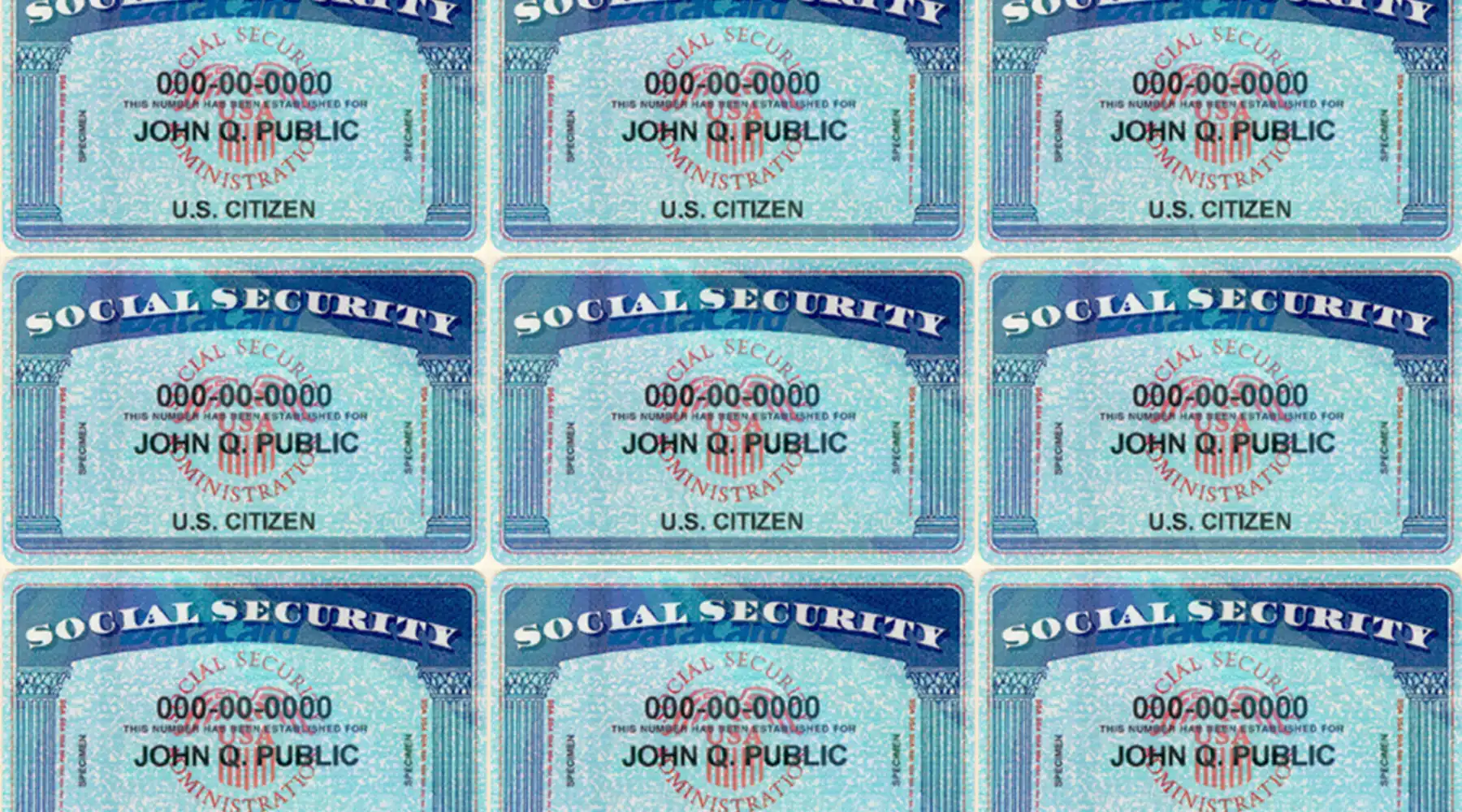
  • The FTC has instructions on what to do if you've stopped receiving government benefits because of identity theft. Above, blank Social Security checks are run through a printer at the U.S. Treasury facility in Philadelphia.
    William Thomas Cain/Getty Images

    In the wake of NASA’s most recent mission to Saturn, we’re heading out of this world. Spaceships run on several things: fuel, physics and cash. But that last category accounts for a lot of things, like people, equipment, maintenance and time. What’s the breakdown? And what’s the value of the images and info gathered in space? Can we measure it? And, we take a look at why our Social Security numbers are tied to everything and what happens when those nine digits fall into the wrong hands. Plus, when it comes to disasters, should we invest in disaster preparedness or disaster relief? Oh, and we have a special appearance by a fizzy beverage that’s making a comeback.

  • Sep 16, 2017

    Is bipartisanship good for the economy?

    by Kai Ryssdal
    President Donald Trump meets with Democratic and Republican members of Congress in the Cabinet Room of the White House September 13, 2017 in Washington, DC.
    Win McNamee/Getty Images

    We already know what partisans think.

  • Sep 15, 2017

    This Los Angeles incubator wants to jumpstart the green economy

    by Kai Ryssdal and Robert Garrova
    LA Cleantech Incubator's Advanced Prototyping Center.
    Robert Garrova/Marketplace

    At the Los Angeles Cleantech Incubator, companies have access to mentors and laser cutters, too.

  • US President Donald Trump and First Lady Melania Trump walk to the White House in Washington, DC, on September 14, 2017, upon return from Florida following Hurricane Irma.
    NICHOLAS KAMM/AFP/Getty Images

    Say you’re a company that has data on zillions of Americans, like a hospital, or a bank, or, you know, Equifax. Consumers have very little control over those companies, besides trusting them to keep their data safe. How hard can that be? We’ll look into it. Facebook is already in some hot water for selling ads to a Russian “troll farm.” Now a ProPublica investigation found the site’s ad-targeting tools can be used to reach racists and anti-Semites. Plus, we’ll look back at all the week’s business and economic news. Never a dull moment. Someone should put that on a hat or something.

  • Like many startups, getting bought by a huge company is the dream for many small entrepreneurial food and beverage brands. Global food corporations are facing backlash, and specialty and craft focused products can help them increase sales. Blue Bottle leadership will retain some control and its headquarters in Oakland, California, but translating its very specific […]

  • Sep 15, 2017

    Facebook let ad buyers target hate groups

    by Kai Ryssdal and Emily Henderson

    ProPublica reporters investigated a tip and found that they could spend $30 to purchase Facebook ads specifically targeted to “Jew haters” and other anti-Semitic groups. ProPublica alerted Facebook, and the site said such ad audience options were the result of algorithms that automatically create categories based on the interests expressed by Facebook users. Facebook said it […]

  • Sep 15, 2017

    Why do we love La Croix so much?

    by Lizzie O'Leary
    Tangerine-flavored La Croix in a cooler. If this resembles your fridge, then you're not alone. 
    Randy Shropshire/Getty Images

    The flavored soda water has been around for over three decades. What makes it taste so good?

  • Sep 15, 2017

    Here’s what to do if your identity is stolen

    by Marketplace Weekend Staff
    The FTC has instructions on what to do if you've stopped receiving government benefits because of identity theft. Above, blank Social Security checks are run through a printer at the U.S. Treasury facility in Philadelphia.
    William Thomas Cain/Getty Images

    Fraud alerts, credit reports, freezes — the Federal Trade Commission has an action plan.

  • The "tyrannical" nature of companies and how we can change them
    thelearningcurvedotca/visual hunt

    (Even if you love your boss.)

  • With breach after breach, why are our Social Security numbers tied to everything?
    Wikimedia Commons

    Governments and businesses are turning to biometrics to find a universal identifier.

  • Chayne Rouse and his sister Kayla Wilkes wait in line to apply for jobs at Pure Penn. 
    Erika Beras/ Marketplace

    Leaders in McKeesport, Pennsylvania are hoping the medical marijuana industry can revitalize the city.

  • 09/15/2017: How employers are taking control of our lives
    Matthew Wiebe/Visual Hunt

    (Markets Edition) Bonds seem to have fallen out of favor for now. But the shift isn’t being driven by the U.S. Chris Low, chief economist at FTN Financial, explains China’s involvement. Afterwards, we’ll chat with University of Michigan professor Elizabeth Anderson about the “tyrannical” nature of companies in the U.S., and why she thinks there are flaws with the current employee-employer dynamic.  

  • Floodwaters from Hurricane Irma recede September 13, 2017 in Middleburg, Florida. Flooding in town from the Black Creek topped the previous high water mark by about seven feet and water entered the second story of many homes. 
    Sean Rayford/Getty Images

    We spend a lot of money dealing with the disaster in front of us, but what about preparing for the next one?

  • Sep 15, 2017

    New phones often mean new accessories

    by Reema Khrais

    Retailers love it when new smart phones come out. People buy billions of dollars worth of cases, cables, and more. Click the audio player above to hear the full story.

  • Sep 15, 2017

    Global hunger is on the rise

    by Annie Baxter

    A UN report says violence and climate change contribute to growing food shortages around the world, affecting millions of people who don’t have enough to eat. Click the audio player above to hear the full story.

  • A view of an Allergan site in Irvine, California.
    Via Allergan

    The move could put a damper on business for generic drugs.

  • 09/15/2017: A new way of extending a drug patent
    stevepb/visual hunt

    (U.S. Edition) Finance ministers from the European Union will discuss the possibility of levying taxes on companies where they do their business. On today’s show, we’ll take a look at where global tax reform is headed. Afterwards, we’ll discuss how one drug company is trying to extend its drug patents by transferring them to a Native American tribe. 

  • A computer-animated still showing the Cassini spacecraft in its final orbit. After 13 years, the spacecraft ended its mission and began a final descent into Saturn's atmosphere, where it burned up.  
    Courtesy of NASA/Jet Propulsion Lab

    After 20 years, the Cassini spacecraft has met its end — and NASA is already looking at the next horizon.

  • 09/15/2017: AI could make full-time work a thing of the past
    KAZUHIRO NOGI/AFP/Getty Images

    As machine learning becomes more prevalent, the conversation about robots taking our jobs gets more intense. Marketplace Tech host Molly Wood talks to Roy Bahat, head of Bloomberg Beta, which has been studying technology’s effect on the future of work. He said, robots or not, jobs are changing, and we should shift company culture and benefits along with them.

  • In his new book, "Genius Makers: The Mavericks Who Brought AI to Google, Facebook, and the World,” Cade Metz details the rebranding and rise of AI.
    Isaac Lawrence/AFP/Getty Images

    As AI changes the nature of employment and professions, how does society adjust?

  • 09/15/2017: EU seeks more tax dollars from online tech giants
    Justin Sullivan/Getty Images

    (Global Edition) From the BBC World Service … European finance ministers will talk this weekend about how to get more tax dollars from online tech giants like Google and Facebook without hurting smaller startups. We’ll tell you what they’re proposing. Afterwards, we’ll talk to retail guru Mary Portas – known as the Queen of Shops – about whether the downfall of physical retail has been greatly exaggerated. Then, we’ll take you to Ethiopia where companies like Rolls-Royce and British leather firm Pittards are hoping to take advantage of more robust trade.

  • Trade Off: A Marketplace Special Report
    Illustration by Ken Garduno

    Marketplace reporters Scott Tong and Sarah Gardner share stories about globalization and backlash in this 50-minute special, the culmination of their reporting for the Trade Off series.

  • Sep 14, 2017

    Inside the mind of Manolo Blahnik, the king of shoes

    by Kai Ryssdal and Bridget Bodnar
    “The only time I ever really see Manolo truly, truly happy and contented is when he's in the factory sculpting the last of a new shoe or playing with the shape of a new heel,” says Michael Roberts. Above, a picture of Manolo Blahnik.
    Courtesy of Music Box Films

    The life of the designer and the creation of his eponymous luxury shoe brand is the subject of a new documentary, "Manolo: The Boy Who Made Shoes for Lizards."

  • Sep 14, 2017

    Looking at North Korea across a "gulf of misperception"

    by Kai Ryssdal and Emily Henderson

    Things aren’t getting better between North Korea and the rest of the world. The United Nations imposed another round of sanctions this week. In response, North Korea said it would “sink” Japan using nuclear weapons and reduce the United States to “ashes and darkness.” Evan Osnos is a staff writer at the New Yorker and […]

  • President Trump put the brakes on a plan for Chinese investors to buy U.S.-based Lattice Semiconductor, after the Committee on Foreign Investment gave the deal a thumbs down. Foreign companies who want major stakes in U.S. firms face a federal process anytime national security is deemed at stake. With technology evolving, more deals may be […]

  • WASHINGTON, DC - SEPTEMBER 13: U.S. President Donald Trump speaks about tax reform while meeting with Democratic and Republican members of Congress in the Cabinet Room of the White House September 13, 2017 in Washington, DC.
    Win McNamee/Getty Images

    On Air Force One today, somewhere between D.C. and Naples, Florida, President Trump took credit for the country’s economic strength and gave an update on his tax plan. We’ll check a few of his claims, in particular that the plan is “revenue neutral” with faster economic growth. Then we’ll head back to Florida, which is picking up the pieces after being battered by Hurricane Irma this week. But it’s been especially tough for Floridians to get their claims processed — because all the insurance adjusters are still in Houston. Then: you might know Manolo Blahnik the shoes, but Blahnik is also a man, and he’s the subject of a new film. We’ll talk with the director. 

  • Traveling through John F. Kennedy Airport in New York City may be more convenient, but lines are longer.
    Spencer Platt/Getty Images

    Stewart International 60 miles north of Manhattan is now an NYC airport.

  • Jose Orosz walks his dog Karen by a beachfront home destroyed by Hurricane Irma on September 13, 2017 in Vilano Beach, Florida. Nearly 4 million people remained without power more than two days after Irma swept through the state.
    Sean Rayford/Getty Images

    Some adjusters can make $100,000 in a month because of increased demand.

  • 09/14/2017: What Harvey and Irma mean for the economy
    Brian Blanco/Getty Images

    (Markets Edition) Another reason we all wish Harvey and Irma never happened: they arrived very late in America’s economic cycle, which could slow rebuilding. On today’s show, economist Diane Swonk breaks down what these natural disasters spell for the country’s economy. Afterwards, we’ll look at Trump’s decision to block the $1.3 billion sale of an Oregon-based chipmaker to a Chinese-backed firm. Then, we’ll talk with Marketplace regular Allan Sloan about his frustration with the Equifax data breach and the company’s power over consumers.

  • Amazon is reportedly opening a million square-foot warehouse in Mexico. It’s been selling physical goods there for only two years, but it’s seen fast growth in that time and is now the third biggest online retailer there. So what is the potential for the growth that it’s banking on in Mexico, and what are the […]

  • Amazon founder and CEO Jeff Bezos.
    David Ryder/Getty Images

    (U.S. Edition) The U.S. government will stop using anti-virus software made by the Russia-based cybersecurity firm Kaspersky Lab. While Kaspersky has denied colluding with the Russian government, we’ll look at how this software could be used to surveil consumers. Then, as Amazon prepares to build a mega-warehouse in Mexico, we’ll talk about the country’s growing reliance on online shopping. And finally, we’ll discuss whether low inflation is a real problem for the U.S.

  • 09/14/2017: Bringing food stamps into the digital age
    Andrew Burton/Getty Images

    The federal government provides SNAP benefits, which stands for Supplemental Nutrition Assistance Program, commonly called food stamps, to those that need financial help to buy groceries. It’s a program that’s has not traditionally been on the cutting edge of tech. In fact, eight states won’t even let you apply for benefits online and only a few have apps that let you check your balance. Marketplace Tech host Molly Wood spoke with Jimmy Chen, CEO of Propel, which created the Fresh EBT app. It allows people to check their Electronic Benefits Transfer balance on their phone or computer. Plus, we go shopping with a SNAP benefit recipient and community activist in the South Bronx in New York City.

  • Sep 14, 2017

    Tech hasn’t kept up with food stamp users’ needs

    by Molly Wood and Kristin Schwab
    Tech hasn’t kept up with food stamp users’ needs
    John Moore/Getty Images

    A new app makes it easy for SNAP users to check their balances.

  • london
    Getty Images

    (Global Edition) From the BBC World Service … President Donald Trump has barred the sale of a U.S. chip manufacturer to a Chinese-backed firm. We’ll tell you what’s behind the move. Afterwards, we reflect on the 10-year anniversary of the first run on a British bank in 150 years, and explore whether the world’s financial institutions are better off now than they were a decade ago. Then, we take you to Berlin where Germans are preparing to head to the polls next week. Though Chancellor Angela Merkel is expected to win a fourth term, not everyone is happy.

  • China is getting ready this month to sell $2 billion in bonds. But these aren’t bonds in Chinese currency. It’s selling bonds in U.S. dollars — something China hasn’t done in many years. If investors buy bonds from China using U.S. dollars, it means they are lending those U.S. dollars to China. So when China said […]

  • Mark your calendars for the week of September 25. That’s when Republicans say they’ll role out more details of their plan for tax reform. Republican Sen. Ted Cruz of Texas presented details of his priorities today at the Tax Foundation. On that list, right after “a low, flat tax rate” and “file on a postcard” […]

  • Sep 13, 2017

    So just what is a single-payer system?

    by Kai Ryssdal
    Sen. Bernie Sanders, an Independent from Vermont, introduces the Medicare for All legislation, his plan for government-sponsored universal health care, on Capitol Hill today.
    JIM WATSON/AFP/Getty Images

    Sarah Kliff of Vox explains Bernie Sander's new universal health care plan, Medicaid for All.

  • Jesus Martinez works at his bodega grocery store.
    Spencer Platt/Getty Images

    Can a vending machine replace the friendly corner store?

  • Sep 13, 2017

    UFW activist Dolores Huerta’s "riches to rags" story

    by Kai Ryssdal and Daisy Palacios
    United Farm Workers leader Dolores Huerta organizing marchers on the second day of March Coachella in Coachella, California, in 1969.
    Courtesy of PBS Distribution

    The movement "became her No. 1" child, says Peter Bratt, who with Carlos Santana made a documentary about Huerta.

  • Sister and brother duo Rebecca and Uri Minkoff talk about Fashion Week, combining tech and fashion, and the realities of working with family.

    Download
  • Sep 13, 2017

    Some investors bet big against disasters

    by Ryan Kailath
    Two women look over severe damage to a residence following powerful Hurricane Irma on September 12, 2017 in Isamorada, a village encompassing six of the Florida Keys. 
    Marc Serota/Getty Images

    Catastrophe bonds spread insurance risk for events like hurricanes.

  • A Wall Street sign in front of the New York Stock Exchange.
    Mario Tama/Getty Images

    (Markets Edition) President Trump recently met with three Democrats to find common ground on tax reform. The Trump White House is aiming to cut the corporate tax rate from 35 to 15 percent, which they may do by ending widely used tax breaks. Harvard professor Kenneth Rogoff stopped by to explain why trying to do this will be a painstaking task. Afterwards, we’ll look at the inertia happening in the bond market, and then discuss how the agency investigating toxic chemical leaks could face budget cuts.

  • Dolores Huerta speaks at press conference. 
    Courtesy of PBS Distribution

    The timeline for tax cuts and tax reform — one of the big things both Hill and White House Republicans say they want to get done this year — has been flexible, but today House Speaker Paul Ryan said we’ll see an outline the week of the 25th. Now, plenty of lawmakers are starting to talk about their vision for taxes, so let’s start with Ted Cruz: He wants to file on a postcard, with a flat tax and something called “full and immediate expensing.” What’s that mean? We’ll talk about it. Then: In the wake of Harvey and Irma, the so-called catastrophic bond market’s been on a wild ride. We’ll talk about what that means. Plus: Dolores Huerta co-founded the United Farm Workers with Cesar Chavez in 1962, and she coined the slogan “Si, se puede.” You might know it as “Yes, we can” from Obama’s 2008 campaign. Carlos Santana and Peter Bratt made a documentary about Huerta and her “riches to rags” story, and we’ll talk with them about it.

  • The Chemical Safety Board is running at full tilt in the wake of hurricane damage this month. It’s a small federal agency that investigates toxic leaks from petrochemical plants, like the Arkema plant explosion in Texas, after Hurricane Harvey. But it’s on the president’s list of agencies to ax to make budget cuts.  Click the […]

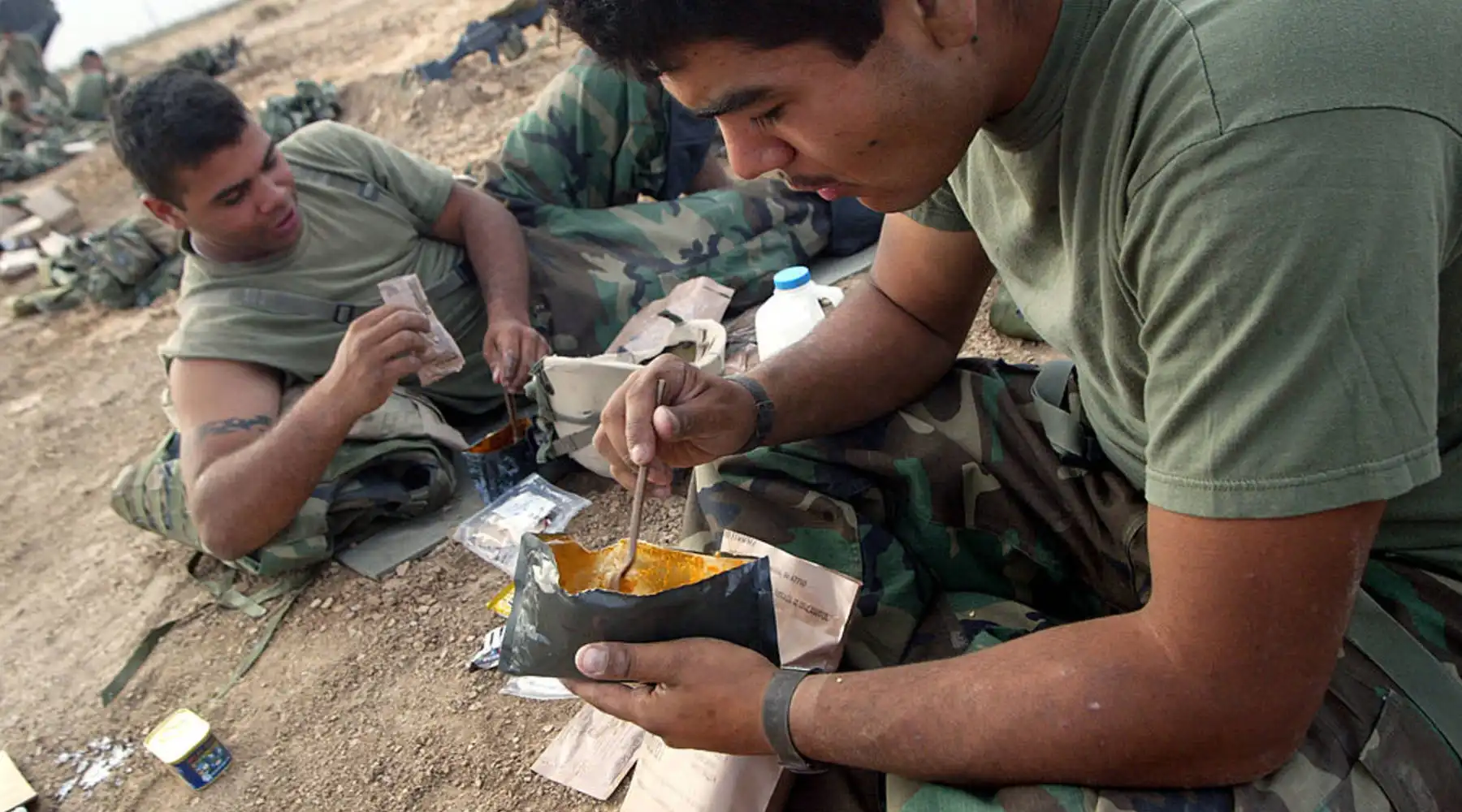
  • Marine Lance Corporal Pedro Rodriquez (L) from Methuen, Massachusetts and Lance Corporal Miguel Ochoa from Mountain View, California, of Task Force Tarawa, eat their meals, ready to eat during a maintenance stand down day April 10, 2003 near Kumayt, Iraq.
    Joe Raedle/Getty Images

    Amazon’s next target — canned food, frozen dinners.

  • President Donald Trump arrives to speak about the need for tax reform at Andeavor Refinery in Mandan, North Dakota.
    BRENDAN SMIALOWSKI/AFP/Getty Images

    President Trump recently met with three Democrats to find common ground on the issue, but will it be enough?

  • Chicken processing plants want to speed up operations
    Axel Schmidt/Getty Images

    They'll need the USDA to roll back protections first. Critics say that will compromise worker safety.

  • 09/13/2017: Who makes the rules for self-driving cars?
    VCG/VCG via Getty Images

    (U.S. Edition) The National Transportation Safety Board has ruled that Tesla’s autopilot feature led to a deadly car crash in Florida last year. We’ll dive into the details of the case and discuss whether the government will be more likely to crack down on self-driving. Afterwards, Marketplace’s Molly Wood explains Apple’s selling strategy to us — despite its pricey new iPhone X, there are plenty of cheaper options out there. And finally, we’ll look into why you’re seeing less candy around CVS cash registers.

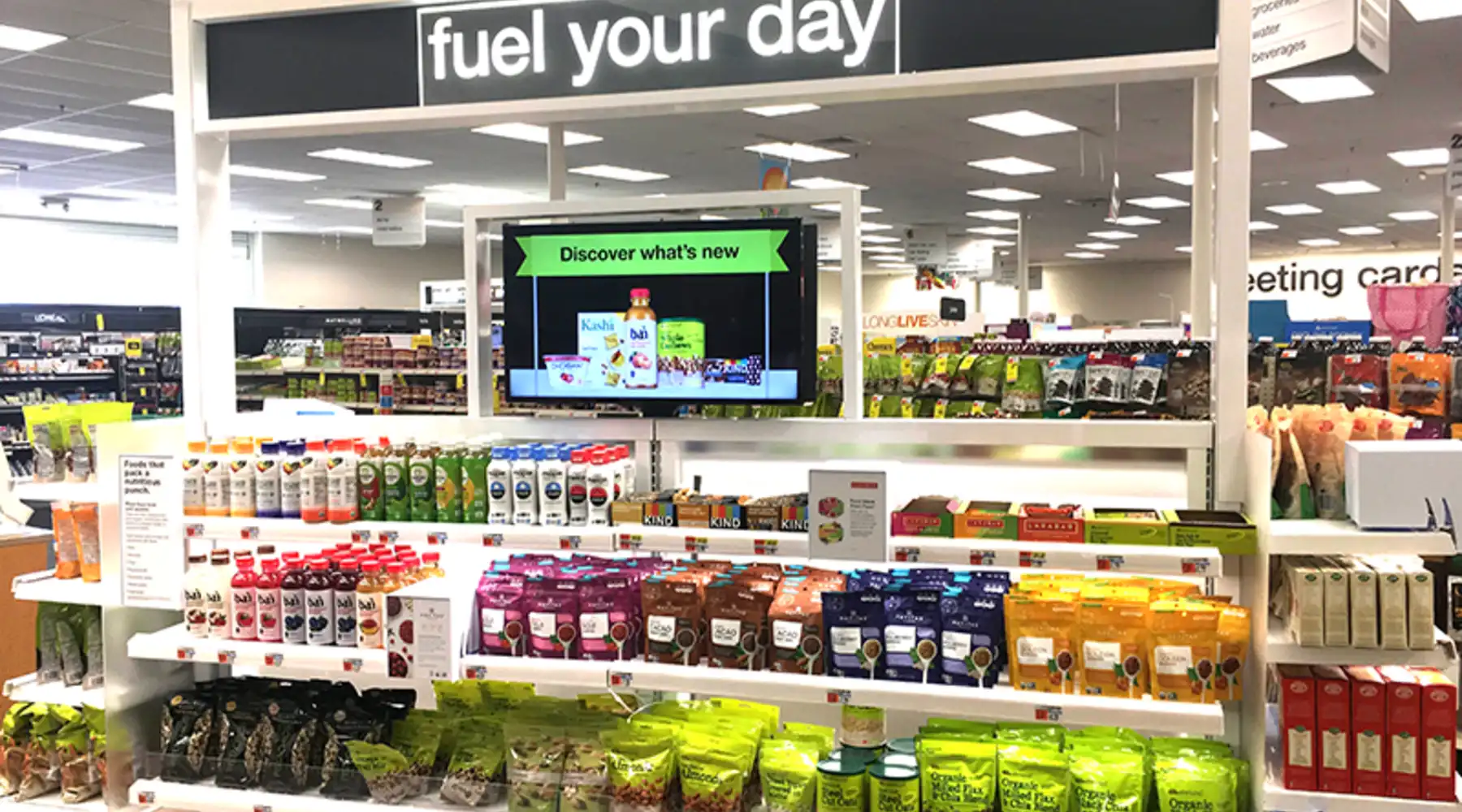
  • A display at CVS touting healthy snacks.
    Sally Herships/ Marketplace

    CVS wants to be known for improving health, so it's making subtle changes.

  • Sep 13, 2017

    What’s the best way to look for a job?

    by Marketplace Weekend Staff
    Job seekers wait in line to meet with a recruiter.
    Justin Sullivan/Getty Images

    Tip: Typos on your resume won't help.

  • Sep 13, 2017

    The iPhone’s influence goes way beyond the smartphone market

    by Molly Wood and Kristin Schwab
    IPhones make up most of Apple's business. Above, the new iPhone X was unveiled today at the Steve Jobs Theater on the Apple Park campus in Cupertino, California.
    Justin Sullivan/Getty Images

    It's forced companies to adapt to the idea of handheld computers and given others a reason to exist.

  • 09/13/2017: How has the iPhone changed the way we do business?
    JOSH EDELSON/AFP/Getty Images

    The iPhone debuted in 2007, and this week, Apple CEO Tim Cook announced three new ones: iPhone 8, 8 Plus and iPhone X. Smartphones have changed how we watch TV, bank and communicate. Almost every industry has been impacted by this technology. Marketplace Tech host Molly Wood looks at the companies that won and lost the mobile revolution.

  • 09/13/2017: How Caribbean economies will recover from Irma
    HECTOR RETAMAL/AFP/Getty Images

    (Global Edition) From the BBC World Service … There are serious concerns about how Caribbean economies will recover from Hurricane Irma. We’ll take you to Turks and Caicos, a country that relies on tourism spending. Afterwards, we’ll chat about whether European Commission President Jean-Claude Juncker’s annual state of the EU speech was an effort to shift the narrative away from Brexit worries. Then, we’ll transport you to Sweden where cash makes up just 1 percent of all payments. 

  • A man waits for a bus downtown on October 20, 2011 in Reading, Pennsylvania. Reading, a city that once boasted numerous industries and the nation's largest railroad company, has recently been named America's poorest city with residents over 65,000. According to new census data, 41.3 percent of people live below the poverty line in Reading. "Sweat" addresses not just the economic troubles in Reading, but also their effect on personal relationships.
 
 
    Spencer Platt/Getty Images

    We say it a lot in our show: context matters. Doing the numbers doesn’t do you much good without knowing the bigger picture. To wit: The official poverty rate in this country dropped a full percentage point last year, according to the U.S. Census Bureau, putting 12.7 percent of Americans under the poverty line. Also, median household income rose a about 3 percent to about $59,000 a year. We’ll start out today’s show by talking about what that means. Then: We talked yesterday about all the memorials to victims of mass violence being built and financed in this country. Today, we’ll take a look at what goes into maintaining them. Plus: Globalization gets a bad rap in the States, but what about emerging economies? They’re seeing the benefits and starting to catch up.

  • We’ve got new numbers today from the U.S. Census Bureau on poverty in America. The official poverty rate went down by 0.8 percent. That means last year, about 40.6 million Americans were living in poverty (12.7 percent). Median household incomes went up by about 3.2 percent. If you’re in the middle of the economic spectrum, […]

  • Photographers cover the red carpet arrivals to the 85th Annual Academy Awards at the Hollywood Highland Center on Feb. 24, 2012, in Hollywood, California.
    David McNew/Getty Images

    April Reign has an eye for Hollywood blind spots, Facebook has a propaganda problem, and we're just trying to figure it all out.

    Download
  • Jen Agg.
    Jenna Wakani

    In a new book, Canadian restaurateur Jen Agg recounts growing up in the restaurant industry and why she thinks it can still get better.

  • Jane Thomas, collections manager at the Oklahoma City National Memorial, tends to one of the chairs representing the 168 people killed in the 1995 bombing of the Alfred P. Murrah Federal Building the day prior to the 10th anniversary of the explosion.
    Win McNamee/Getty Images

    Maintaining memorials over decades can be a challenge for many communities.

  • Sep 12, 2017

    Why downsizing a company can backfire

    by David Brancaccio
    Why downsizing a company can backfire
    Matthew Wiebe/Visual Hunt

    Employees start fearing for their jobs instead of trying to help their employer.

  • Sep 12, 2017

    Have you ever had your identity stolen?

    by Marketplace Weekend Staff
    Accessing your money is easy once someone else has your social security number.
    401kcalculator.org/Flickr

    Social Security numbers can be pretty vulnerable. Tell us your story.

  • Globalization is helping countries like China and India catch up with Western countries.
    Ken Garduno, Illustrator

    People in emerging economies reap benefits from an interconnected world, but their gains can stoke resentment in developed nations.

  • 09/12/2017: Just why are the markets up right now?
    BRYAN R. SMITH/AFP/Getty Images

    (Markets Edition) Markets don’t necessarily need happy circumstances to rise — sometimes all they need is the knowledge that things could’ve been worse. Economist Julia Coronado stopped by to talk about why key stock indexes seem to be doing well right now, despite recent events like the arrival of Hurricane Irma. Afterwards, we’ll discuss how exhibitors at the Frankfurt Motor Show are pushing for electric vehicles, and then look at how troubled companies can move forward.  

  • American household income finally topped 1999 peak last year
    David McNew/Getty Images

    Incomes for a typical U.S. household rose to $59,039 in 2016.

  • 09/12/2017: The new railway that will dramatically change London
    Ming Yeung/Getty Images

    (U.S. Edition) Apple is set to unveil three new phones, including one rumored to cost $1,000. Will customers go for this pricey option? Next, we’ll discuss Hurricane Irma’s impact on the tourism industry, which could namely hurt service industry workers. Then we’ll look at the launch of Crossrail — the most expensive construction project in European history. A project like that could change housing prices and entire neighborhoods.

  • Florida’s tourism business is worth more than $100 billion, and Hurricane Irma has put a dent in it. Even as some major theme parks re-open and airlines resume flights this week, some destinations face long roads to recovery, and workers will suffer from lost wages and tips. Click the audio player above to hear the […]

  • Apple unveils three phones, pitching the priciest, at about $1,000, to the faithful. The price might be high, but according to analysts, the Apple faithful will buy.    Click the audio player above to hear the full story. 

  • A worker walks toward the entrance of the Canary Wharf Crossrail station in the financial district of London in February.
    BEN STANSALL/AFP/Getty Images

    Prices are up along the new east-west railway, and some are worried about being pushed out.

  • Federal Communication Commission Chairman Ajit Pai participates in a discussion at The American Enterprise Institute for Public Policy Research in May in Washington, DC. 
    Chip Somodevilla/Getty Images

    FCC chairman Ajit Pai believes fewer regulations and more competition will lead to broadband expansion.

  • 09/12/2017: FCC’s Ajit Pai on broadband for all
    Chip Somodevilla/Getty Images

    Federal Communications Commission Chair Ajit Pai has made it a priority to increase the availability of broadband internet access across America. The way to do it? Cutting regulations and increasing competition, according to him. He joins us from Washington, D.C. to explain why he thinks a free market will close the digital divide. 

  • 09/12/2017: French president faces first major protest
    PASCAL PAVANI/AFP/Getty Images

    (Global Edition) From the BBC World Service … French President Emmanuel Macron faces the first major protest of his presidency as unhappy workers express their displeasure with his proposed labor reforms. We’ll tell you what’s happening on the streets of Paris. Afterwards, we’ll explain what’s behind the UN’s new sanctions against North Korea. Then, we’ll take you to the Frankfurt Auto Show where “electrification” is the buzzword of the day.

  • Why do companies wait so long to tell us we’ve been hacked?
    Photo illustration by Leon Neal/Getty Images

    All but two states have laws governing disclosure, but there is a lot of wiggle room in the rules.

  • Sep 11, 2017

    Trying to put a dollar figure on a disaster

    by Tracey Samuelson

    There are lots of numbers being talked about today as government officials and reporters attempt to convey the levels of damage from Hurricane Irma to people who can’t see it with their own eyes. Here is just a sampling: 250,000 evacuees have crossed into Alabama and more than 6.5 million homes and businesses in Florida […]

  • People walk past a building where the roof was blown off by Hurricane Irma on September 10, 2017 in Miami, Florida.
    Joe Raedle/Getty Images

    Millions of Floridians are still out of their homes in the wake of Hurricane Irma. Much of state is without power, and early damage estimates range from $25 billion to $60 billion. We’ll look at how officials start to tally that up, and the lasting problems Floridians face. Then: Since it opened in 2011, more than 30 million people have visited New York’s 9/11 memorial. It’s maybe the highest-profile memorial to victims of mass violence in this country, but there are plenty of others and more planned in Orlando, Charleston and elsewhere. But the process of designing and financing these memorials isn’t easy. Plus, we’ll talk with San Diego, California, mayor Kevin Faulconer about NAFTA as negotiations continue.

  • Sep 11, 2017

    Getting power back to millions in Florida won’t be easy

    by Kai Ryssdal and Scott Tong
    A couple walks through the flooded streets of Naples, Florida, today. Hurricane Irma made another landfall near Naples yesterday after inundating the Florida Keys. Electricity was out in much of the region.
    Spencer Platt/Getty Images

    The country has a 100-year-old grid system and more frequent extreme storms, reporter Scott Tong says. Will the state "build back better"?

  • San Diego Mayor Kevin Faulconer.
    Gage Skidmore/Wikimedia Commons

    Republican Mayor Kevin Faulconer on the importance of Congressional action for DACA and how NAFTA has meant billions for San Diego.

  • The temporary memorial to the victims of the San Bernardino shooting.
    Adriene Hill/Marketplace

    Every time someone chips in, “it’s proof that love always wins.”

  • In 2016, organic food sales broke past the $40 billion mark for the first time. Above, a customer shops for milk at a Safeway's "Lifestyle" store in Livermore, California.
    Justin Sullivan/Getty Images

    The market for organic food passed the $40 billion mark in the U.S. last year. As bigger companies get into the organics game, and more imported organic food lands in the U.S., more questions arise for USDA certifiers.

  • Immigrants and supporters march to oppose President Donald Trump's order end to DACA on Sept. 5 in Los Angeles.
    David McNew/Getty Images

    Google, Apple, Microsoft and others have loudly denounced Trump's immigration policy, but their lobbying reports tell a different story.

  • Sep 11, 2017

    Self-driving carmakers haven’t perfected a key piece of tech

    by Molly Wood and Kristin Schwab
    A picture of Luminar's LIDAR monitor.
    Molly Wood / Marketplace

    Good isn't good enough when it comes to the lasers that allow autonomous vehicles to see.

  • 09/11/2017: Hurricane waters could be spreading the West Nile virus
    Darren McCollester/Getty Images

    (Markets Edition) As Irma drops from hurricane to tropical storm, we’ll explore Florida’s insurance system. Shahid Hamid, a professor at Florida International University, joins us to discuss whether insurance companies are equipped with the resources to handle the aftermath of this disaster. Next, we’ll look at how hurricane waters could increase the number of West Nile cases, and then discuss the upcoming vote to re-authorize funding for the Federal Aviation Administration.    

  • One of the looming deadlines for Congress this month is re-authorizing funding for the Federal Aviation Administration. A House vote on that is scheduled this week. Competing funding bills in the House and Senate address things like commercial drones, navigation technology, and air traffic control systems.  Click the audio player above to hear the full […]

  • After a hurricane, mosquitoes, drawn to standing water, can be a big problem. The accelerated spread of Zika isn’t likely, but cases of West Nile could spike. Click the audio player above to hear the full story. 

  • 09/11/2017: The key to sight for self-driving cars
    NOAH BERGER/AFP/Getty Images

    Hundreds of companies are racing to build self-driving cars, and one piece of technology is essential to all of their efforts. It’s called LiDAR, an acronym that stands for light detection and ranging. It uses lasers to sense distances to an object and turn those distances into a 3-D representation of the environment. So it’s how a self-driving car sees the world around it. Marketplace Tech host Molly Wood visits Silicon Valley startup Luminar and its founder and CEO, 22-year-old Austin Russell. The company hopes to become the parts provider for automakers for LiDAR self-driving technology.

  • Home ownership is part of the American dream. 
    Timothy A. Clary/AFP/Getty Images

    It’s all thanks to ITINs — individual tax identification numbers.

  • 09/11/2017: Combating the opioid epidemic
    Christopher Furlong/Getty Images

    (U.S Edition) In the aftermath of the Equifax security breach revelation, experts have suggested freezing your credit or setting up fraud alerts to protect your information. We’ll take a look at what exactly these precautions entail. Afterwards, we’ll discuss new measures from China that would make it tougher for speculators to bet against the drop in the yuan. Then, we’ll step into the operating room to examine how anesthesia providers are looking to non-opioid alternatives.

  • 09/11/2017: A historic job for historic times
    Christopher Furlong/Getty Images

    (Global Edition) From the BBC World Service … Hurricane Harvey is estimated to have caused $40 billion in damage while Irma could make the total as high as $150 billion. We chat with Hiscox Insurance CEO Bronek Masojada who explains the complexities in estimating overall damage of two major storms. Afterwards, the BBC’s technology desk editor, Leo Kelion, tells us what to expect from Apple’s iPhone launch on Tuesday, and whether the tech giant will push further into the luxury smartphone market. Then, Lord Mayor of London Andrew Parmley – who looks after the interests of the city’s financial district – tells us what he’s doing during the historical period of Brexit. 

  • An anesthesiologist looks at equipment.
    Carsten Koall/ Getty Images

    Easing opioids out of the operating room is one tactic for fighting the opioid abuse epidemic.