Marketplace®
Every story is an economic story
  • Friends dance together at their prom.
    Bethany Clarke / Getty Images News

    Teens are spending hundreds of dollars on the 'promposal' alone.

  • May 19, 2017

    How to save for a house and have your avocado toast, too

    by Marketplace Contributor
    Avocado consumption has been increasing every year since 2010.
    MARK RALSTON/AFP/Getty Images

    It's about the big expenses, not the small ones.

  • A detention officer looks on as visitors use video phones to communicate with prisoners at an Arizona jail.
    PAUL J. RICHARDS/AFP/Getty Images

    It's expensive for families as well as taxpayers.

  • The cost of prison is more than just time served
    Justin Sullivan / Getty Images

    There's an emotional and financial cost when a family member is incarcerated.

  • Phoenix, from left: Christian Mazzalai, Laurent Brancowitz, Thomas Mars and Deck D’Arcy.
    Emma Le Doyen

    And explain why oysters are the key to fortune.

  • May 19, 2017

    The long tradition of being bored at work

    by Bridget Bodnar
    The long tradition of being bored at work
    Fred Mott/Evening Standard/Getty Images

    Sometimes, you just have to get through it, says Mary Mann, author of "Yawn: Adventures in Boredom."

  • Reboots of old shows is the theme this upfronts season.
    Keystone Features/Getty Images

    What to expect from upfronts season? More of the same.

  • President Trump is headed to Saudi Arabia, the first stop on his first foreign trip as president. The Saudis buy a lot of weapons from the U.S., and more arms deals could be announced this weekend. The U.S. keeps careful tabs on who buys American-made weapons and what they buy. There is sometimes a delicate […]

  • "Guardians of the Galaxy Vol. 2" is one of the season's tent pole productions.
    Photo courtesy of Marvel Studios

    We're in 'tent pole city now' says New York Times culture critic Wesley Morris.

  • President Trump arrives for a press conference in the East Room of the White House.
    BRENDAN SMIALOWSKI/AFP/Getty Images

    Rachel Abrams of the New York Times and Sudeep Reddy of Politico join us to discuss the week’s business and economic news. This week, they talk about how the latest revelations from the White House will affect Donald Trump’s economic agenda ahead of his trip to Saudi Arabia. Plus, with the controversies surrounding Trump and former […]

  • PETA spends millions of dollars each year organizing grassroots campaigns against animal abuse. Above, activists protest Ringling Bros. and Barnum & Bailey Circus.
    FREDERIC J. BROWN/AFP/GettyImages

    The campaign against Ringling Bros. is over. Now activists have more energy to take on Hollywood.

  • About 40,000 AT&T workers might go on strike this weekend.
    David McNew/Getty Images

    "I will be the greatest jobs president that God ever created."

  • U.S. Federal Reserve chair Janet Yellen at the University of Michigan
    Gerald R. Ford School of Public Policy, University of Michigan / Flickr

    Betting on the economy's big and small changes

  • When a loved one goes to prison it can change a family's finances overnight.
    James Sullivan/Getty Images

    What’s it cost to send someone to prison? We asked University of California Irvine professor Charis Kubrin and talked with a woman about her experience with the criminal justice system after her brother was given a life sentence. Then, the Atlantic’s Gillian White and the Los Angeles Times’ Natalie Kitroeff look ahead to upcoming news in Long and Short. Plus, the band Phoenix takes the Marketplace Quiz.

  • May 19, 2017

    05/19/2017: TGIF

    President Trump arrives for a press conference in the East Room of the White House.
    BRENDAN SMIALOWSKI/AFP/Getty Images

    Honestly, what’s there to say at this point? There was even more news related to President Trump, Russia and ousted FBI Director James Comey this afternoon, to cap off a relentless week of compounding scoops and scandals. We’ll do our best to figure out the economic effects of it all during the Weekly Wrap. Then: Trump was on his way to Saudi Arabia this week, the first stop in a nine-day trip abroad. He’ll be bringing with him a $100 billion deal with the Saudis to buy American planes, ships and munitions, and they’re not the only ones. We’ll talk about the delicate balance between arms deals and diplomacy. Plus: Uber for trucks and the lay of the land for this summer’s movie season with The New York Times’ Wesley Morris.

  • Qatar Airways will lend laptops to business customers.
    AFP/Getty Images

    They could try to win the loyalty of business customers.

  • Stocks and bonds have echoed the turbulence in Washington this week. We'll chat with FTN Financial's chief economist, Christopher Low, about why markets took a dip and progress on the GOP's health care bill. Afterwards, we'll examine how Trump's trip to Saudi Arabia could lead to the approval of up to $300 billion in arms sales.

  • Prepared meal kits have grown into a huge market, now worth an estimated $1.5 billion. It’s been driven by startups, like Blue Apron, Purple Carrot, HelloFresh … the list goes on. But major supermarkets like Kroger and Publix are now muscling in and testing their own versions. Click the audio player above to hear the […]

  • Aramark executive chef James Mehne shows off some of Kauffman Stadium's new food items, including truffled mac and cheese, lemon garlic rotisserie chicken and roasted Brussels sprouts.
    Peggy Lowe/KCUR

    They expect more publicity than sales of toasted grasshoppers or a patty melt on a funnel cake bun.

  • President Trump travels to Saudi Arabia today, the first stop on his first foreign trip as president. A number of American CEOs are also tagging along because, it turns out, there are deals to be done in Saudi Arabia. Click the audio player above to hear the full story.  

  • Public trust in government is at a historic low, according to a recent Pew survey.
    Chip Somodevilla/Getty Images

    Similar tactics to hide money are taking place in states like Delaware.

  • 05/19/2017: Why all the focus on chip-making?
    Keystone/Getty Images

    Google and Apple are making their own chips, a move that could have long-ranging effects on smaller chip-focused firms like Nvidia and Imagination Technologies. We’ll take a look at why these two tech giants are dipping their toes in this area, and then play this week’s Silicon Tally with the Financial Times’ San Francisco correspondent Hannah Kuchler. 

  • 05/19/2017: Corruption in the West
    Three Lions/Getty Images

    President Trump is traveling to Saudi Arabia today, a trip that’ll include a number of American CEOs. The reason they’re tagging along: there are deals to be made. On today’s show, we’ll take a look at the state of trade between the Gulf kingdom and the U.S. Afterwards, we’ll explore the meal-kit war between startups like Blue Apron and major supermarkets like Kroger. Plus: Author Laurence Cockcroft explains rising corruption in the West and how the Trump administration is trying to roll back rules aimed at combating the issue.

  • A copy of President Trump’s proposed education budget has been leaked to the Washington Post. In total, the plan would eliminate $10.6 billion from federal education initiatives, including things such as after-school programs for the poor, teacher training, and surprisingly, work-study funding for college students. The cuts to work-study, together with other proposed rollbacks in college […]

  • Robert Sledge, from the Department of Public Works, empties trash cans in downtown Pittsburgh.
    Erika Beras

    The smart cans are meant to save time and money, but some trash collectors are skeptical.

  • "We better get started on infrastructure now or our grandchildren won't even begin to see it," Lisa Goldenberg says.
    Tom Pennington/Getty Images

    It's time to take away the 'distracting toys and get back to work,' says Lisa Goldenberg of the Delaware Steel Co.

  • Treasury Secretary Steven Mnuchin testified at a Senate Banking Committee and International Policy hearing on Capitol Hill today, discussing economic growth.
    Tasos Katopodis/Getty Images

    Treasury Secretary Mnuchin believes a GDP of 3 percent is achievable and cutting regulations is one way to get there.

  • The yield on the 10-year treasury has been tumbling for the past week. Another way of saying that is: That is strong demand for these bonds, which causes their price to rise and the interest rates they pay to fall. And that is telling us something about investor thinking — about the Federal Reserve, the president and […]

  •  President Donald Trump speaks to workers at the headquarters of tool manufacturer Snap-On on April 18, 2017 in Kenosha, Wisconsin. 
    Scott Olson/Getty Images

    So, what next?

  • Roger Ailes, founder of Fox News, has died at 77. Ailes left Fox News last year amid accusations of sexual harassment.
    Stephen Lovekin/Getty Images

    Gabriel Sherman of New York Magazine says Fox News trying to find its identity.

  • President Donald Trump walks down the stairs after arriving on Air Force One at the Palm Beach International Airport to spend part of the weekend at Mar-a-Lago resort on February 17, 2017 in West Palm Beach, Florida.
    Joe Raedle/Getty Images

    On the eve of his first trip abroad since taking office, President Trump took the first formal steps of renegotiating NAFTA. But is it the right time? And what will the U.S. get out of it? That’s what we’re talking about today before turning to Saudi Arabia. It’s Trump’s first stop on a whirlwind nine-day trip, and he’s bringing a lot of CEOs with him. Plus: Roger Ailes, the founder and former CEO of Fox News, died today at 77. Ailes was, according to more than a dozen women, a serial sexual harasser who enabled others to do the same. But he was also a man who changed the United States and propelled Trump to the White House. We’ll talk with Ailes biographer Gabriel Sherman. Plus: We covered stocks and currency under Trump already this week. So why not try to predict the future and complete the trifecta with a look at the bond market?

  • May 18, 2017

    05/18/2017: The Emperor’s New Policy Reforms

    by David Brancaccio

    Investors have been reminded that intentions in Washington do not equal policy. Diane Swonk of DS Economics joins us to talk about how markets are on the decline due to uncertainty about the tax reform in the U.S., deregulation and infrastructure spending plans. Afterward, we'll explore the future of the Trans-Pacific Partnership, even with the U.S. out of the mix, and then talk with science researchers about their concerns over potential budget cuts.

  • May 18, 2017

    Heard on Make Me Smart

    by Jennie Josephson

    That book, that link, that recommendation you heard while walking the dog or riding the bike.

  • Roger Ailes, then the chairman and CEO of Fox News, speaks onstage at the 2006 Summer Television Critics Association.
    Frederick M. Brown/Getty Images

    Ailes was a former GOP operative to candidates including Richard Nixon and Ronald Reagan.

  • The remaining members of what would have been the Trans-Pacific Partnership will meet this weekend in Hanoi. Several countries attending the Asian-Pacific Economic Cooperation conference in the Vietnamese capital will hold discussions about reviving the regional trade agreement. The U.S. may have pulled out of the deal, but there is still a strong desire to […]

  • The New York Federal Reserve says Americans are borrowing again — everything from student loans to auto loans to mortgages. According to the New York Fed, household debt has reached a record high, even higher than the previous peak, during the credit bubble in 2008. The report’s findings don’t mean Americans have learned to be […]

  • At Brandeis University, Avital Rodal studies, among other things,  diseases like Lou Gehrig’s and Alzheimer’s.
    Ari Daniel

    'Uncertainty means that you can’t hire people or you can’t start a new project,' one researcher says.

  • May 18, 2017

    TV industry pounces on Facebook’s ad mistake

    by David Brancaccio
    Facebook has admitted to problems with ad metrics for the 10th time since September. Above, Facebook CEO Mark Zuckerberg.
    Justin Sullivan/Getty Images

    Networks and cable channels are selling a 'safer' medium to advertisers at the upfronts.

  • 05/18/2017: How to fight against your internet echo chamber
    Visual Hunt

    Word is that your phone may soon be able to identify items it’s pointed at thanks to Google Lens. On today’s show, we’ll look at the latest updates coming out of Google’s I/O developers conference with Farhad Manjoo, a tech columnist for the New York Times. Plus: 60dB co-founder Steve Henn talks about the ways we can combat “filter bubble” — the idea that the internet keeps you in the dark about opinions you disagree with.

  • 05/18/2017: Some Facebook missteps
    JUSTIN TALLIS/AFP/Getty Images

    Facebook, Facebook, Facebook. On today’s show, we’ll look at news that the European Union is fining the social media giant $122 million following its purchase of the messaging service WhatsApp back in 2014. This marks the first time a company has been penalized by the European Commission’s merger regulation law. There are also reports that the company has mischarged advertisers for the 10th time in less than a year. Marketplace’s Molly Wood explains how this incident illustrates the uncertainties in digital advertising — and how television advertisers might use this to their advantage. Plus: We discuss whether it’s a good or bad thing that Americans are borrowing at record levels. 

  • Steady clerical and administrative jobs that employed lots of people have disappeared, Jonathan Morduch says.
    Photo by Hulton Archive/Getty Images

    Individuals are bearing the risk of the economy, 'Financial Diaries' authors say.

  • Advocate David Mitchell says drugs are so expensive that some people are losing their homes or using college savings. Above, chemotherapy drugs.
    Chris Hondros/Getty Images

    David Mitchell's advocacy group aims to bring down prescription prices by harnessing the power of patient stories.

  • A report from CNBC says Amazon is getting more serious about becoming a place for you to buy your prescription drugs. Amazon could be a major disrupter, as it has been when it entered other sectors, from books to groceries. The hundreds of billions of dollars Americans spend on prescriptions every year make the pharmacy business […]

  • May 17, 2017

    More reboots and spinoffs at the TV upfronts this year

    by Kai Ryssdal and Adriene Hill
    "American Idol" is just one of many reboots coming this fall.
    Kevork Djansezian/Getty Images

    Despite low network television ratings, advertisers will spend big money this year.

  • Until yesterday, stocks seemed pretty immune to the noise out of Washington. But the dollar? Different story. The past week has not been kind to the U.S. currency. It’s at a seven-month low, in fact. Here’s why the dollar is so sensitive to the news. Click the audio player above to hear the full story.

  • This guerrilla lost his arm during the conflict in Colombia. He is painting an image that marks 53 years since the formation of the FARC, the Spanish acronym for the Revolutionary Armed Forces of Colombia.
    Lorne Matalon

    The deal between the government and guerrillas is expensive and challenging.

  • Traders work on the floor of the New York Stock Exchange on Tuesday in New York City. Following a day of steep drops in global markets, the Dow Jones industrial average rallied over 300 points in morning trading.
    Spencer Platt/Getty Images

    Leaving aside some late-breaking special (counsel) announcements, stocks seemed pretty immune to the chaos in Washington until today. But the dollar? Different story; it’s at a seven month low, in fact. That’s not to say currency traders are more on the ball than the folks in equities but… if the shoe fits? We’ll talk about it, and today’s big sell-off. Then: TV upfronts are wrapping up this week. All the networks are showing off their fall schedules which look… a lot like stuff we’ve seen before. Finally, we follow a cancer patient who’s devoting his life to making drugs more affordable.

  • President Trump said overhauling the post-crisis financial reform law is one of his biggest priorities, but succeeding in the Senate will prove to be difficult. And that's not the only change Trump will have trouble enacting. We'll recap some of the other reforms his administration may be struggling with. Plus: A look at the high value Spain is putting on first communion parties, despite the country's financial woes.

  • A Syrian woman travelling to the United States through Amman opens her laptop before checking in at Beirut's international airport in March.
    ANWAR AMRO/AFP/Getty Images

    US and European officials are meeting to discuss the possible action.

  • Arxé Moda is one of many clothing stores in Barcelona that specializes in custom-made dresses for first communions. The bridal-like gowns can cost anywhere from $400 to $500.
    Lucia Benavides

    The celebration, like a small wedding, takes months to plan and can cost a few thousand dollars.

  • New York freelancers who have trouble getting paid on time, or sometimes at all, have a new law on their side. The “Freelance Isn’t Free” Act went into effect this week. It’s the first law in the country to protect independent contractors from getting stiffed.  Click the audio player above to hear the full story.

  • May 17, 2017

    Georgia aims to make its websites accessible for all

    by Marketplace Contributor
    Annie Maxwell, who is blind, shows how she uses a software program called a screen reader to access web pages.
    Tasnim Shamma/WABE

    So far, the state has upgraded more than half of its 130 sites to federal standards. Enabling screen readers is one improvement.

  • May 17, 2017

    Food startup Tovala finds a home in Chicago

    by Ben Johnson and Jana Kasperkevic
    Working in Tovala's test kitchen, chef Alexander Plotkin plates one of the company's meals.
    Jana Kasperkevic/Marketplace

    The Windy City is becoming one of the top tech destinations in the U.S.

  • 05/17/2017: Chicago’s growing reputation as a tech powerhouse
    Scott Olson/Getty Images

    Google’s developers conference I/O kicks off in San Francisco today, and while many of the announcements are geared toward, well, developers, they can provide hints about what consumers can expect down the line. Some stuff it looks like we’ll be getting: a new Android operating system and hands-free mobile payments. Plus, we’ll explore Chicago’s growing prominence as a tech hub and one food startup that’s found a home there: the meal-delivery service Tovala.

  • 05/17/2017: The effects of an airport laptop ban
    Justin Sullivan/Getty Images

    Amid news that ISIS may have devised ways to conceal bombs in laptops, U.S. and European officials are meeting Brussels today to discuss a laptop ban from some airports. We’ll take a look at the ways this new policy could impact passengers. Afterwards, we’ll examine a new law in New York aimed at protecting freelancer pay, and then discuss effort in Georgia to improve website accessibility for disabled men and women.

  • A mother duck provides shade for her ducklings in a pond near the U.S. Capitol in Washington, DC.
    Mark Wilson/Getty Images

    Maybe the cutest government infrastructure project.

  • There’s news that Ford will cut about 10 percent of its global workforce in an effort to help lift its stock. Ford’s CEO Mark Fields has been out there talking about the future of his company as a “mobility” firm that could offer services like car sharing. These are long-term strategies for Ford’s health, the […]

  • May 16, 2017

    Ransomware: Should businesses pay up?

    by Adriene Hill
    An IT researchers shows on a giant screen a computer infected by a ransomware.
    DAMIEN MEYER/AFP/Getty Images

    Hackers are holding up businesses for ransom. To pay or not to pay? That is the question.

  • Despite turmoil in Washington and hints from Federal Reserve officials that stocks may be overvalued, markets have proved surprisingly resilient. The indices have been rising fairly steadily all year, and measures of volatility are low. Why is that? Click the audio player above to hear the full story.

  • President Donald Trump and Israel Prime Minister Benjamin Netanyahu shake hands following a joint news conference at the White House in February.
    Win McNamee/Getty Images

    'The reality is that the sides are a long way apart,' says David Horovitz, editor of The Times of Israel.

  • People walk through a nearly empty shopping mall in Waterbury, Connecticut. 
    Spencer Platt/Getty Images

    Brick-and-mortar stores are plagued by closures and job loss post-election.

  • May 16, 2017

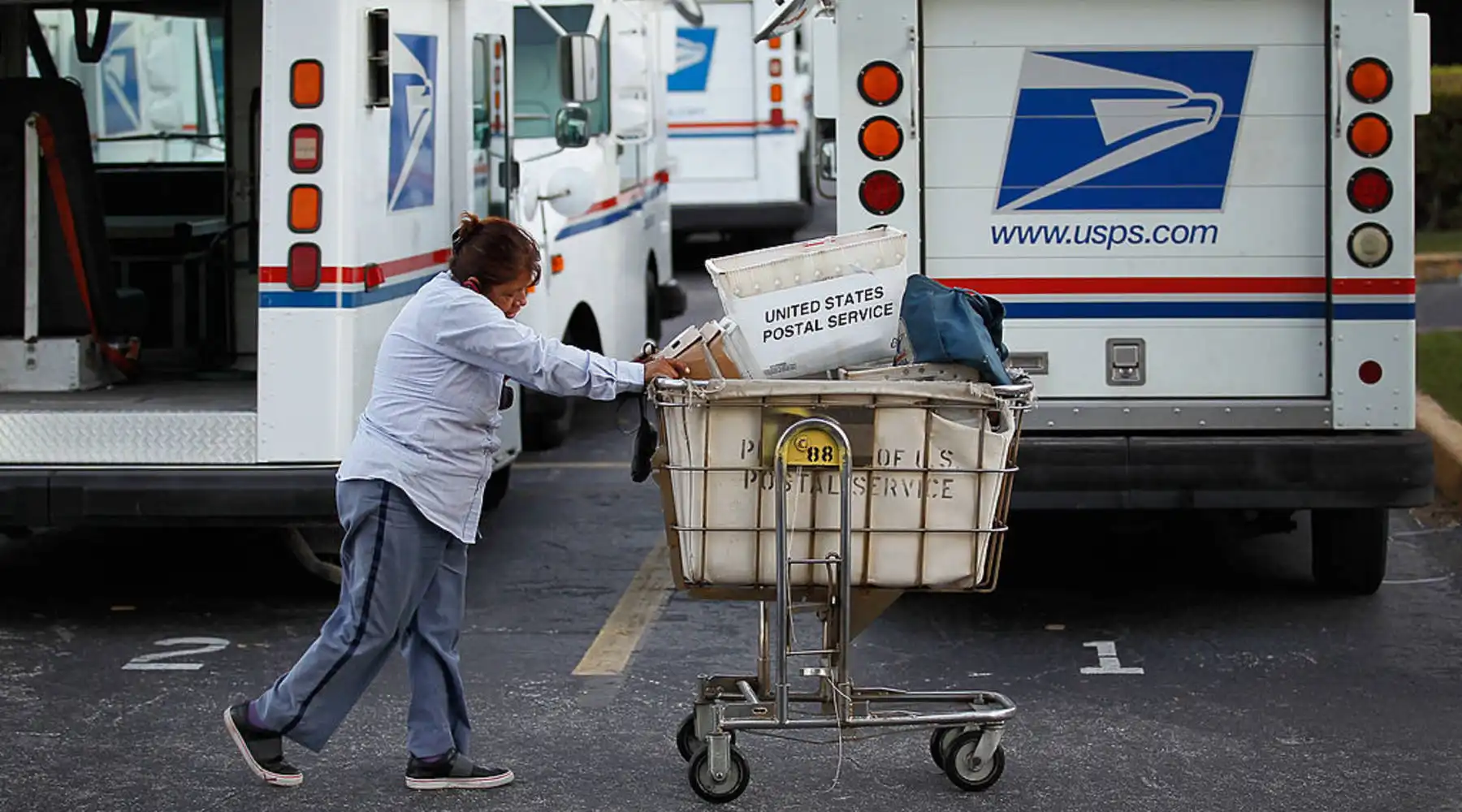
    The Postal Service wants you, millennials

    by Nancy Marshall-Genzer
    The Postal Service wants you, millennials
    Joe Raedle/Getty Images

    The agency still needs letter carriers, but the benefits aren't what they used to be.

  • May 16, 2017

    17: Filter Failure

    National and local media setup in front of the capital building November 8, 2000 in Austin, Texas.
    Joe Raedle/Newsmakers

    It is must-see media consolidation.

    Download
  •  Traders work on the floor of the New York Stock Exchange at the end of the day on January 15, 2016 in New York City
    Spencer Platt/Getty Images

    In the past week, the president of the United States shared highly classified information with the Russians after he fired the director of the FBI. That whole affair was still roiling as we taped this show. Before that, Congress pulled a major piece of legislation affecting almost 20 percent of the American economy off the House floor before a vote, then passed it by the thinnest of margins. In different times, all this chaos would have spooked traders, shaken up markets and maybe Washington in the process. So it’s worth hitting pause and asking: What did the markets know? And when did they know it? Then: What you need to know about Ford’s plan to cut 10 percent of its global workforce, and the U.S. Postal Service’s bid for millennials. Plus, as the WannaCry cyberattack fades, a new story is emerging: Hollywood films held by hackers for ransom. What would it take for studios to pay up? Should they?

  • News is that construction on new houses and apartment complexes took a dip in April. Why aren't young people buying homes like they used to? Hint: It's not because of avocado toast purchases. We'll look at the structural changes that are happening within our economy. Afterwards, we'll explore how Target is trying to pull itself out of a slump, which includes abandoning some of its futuristic innovations, and talk about a new bipartisan bill in Congress that aims to help people who cycle in and out of the hospital.

  • May 16, 2017

    It’s back to basics for Target stores

    by Annie Baxter

    Target reports its earnings Wednesday. After months of slumping sales and profits, the retailer is getting back to retailing basics: Renovating stores and pricing grocery items more competitively. That strategy means the Minneapolis-based retailer is abandoning some of the more futuristic innovations it was experimenting with. Click the audio player above to hear the full story.

  • A parcel is prepared for dispatch at an Amazon warehouse. 
    Peter Macdiarmid/Getty Images

    Amazon has agreed to collect sales tax on all its transactions. Now states are targeting all other online retailers.

  • Fans gather to watch a soccer game at a New York City pub.
    Mario Tama/Getty Images

    For live-event outlets like ESPN and news channels, this data is critical.

  • Republicans and Democrats don’t quite see eye to eye when it comes to repealing Obamacare. But when the Senate Finance Committee meets today, there’s likely to be common ground on how to improve care for the 3.5 million sickest and most expensive Medicare patients: a new bipartisan bill that targets new treatments for the people […]

  • 05/16/2017: The high price of the future
    Carl Court/Getty Images

    Ford could lay off about 10 percent of its workforce worldwide, most of whom may be salaried workers. On today’s show, we’ll discuss one of the issues the company is grappling with: its investment in the future, a move that comes at the expense of high costs in the present. Afterwards, we’ll look at a new Trump administration policy that will deny funding to foreign nongovernmental organizations that promote abortion, and then explore how ESPN will try to use its out-of-home audience numbers to court advertisers. 

  • 05/16/2017: How to prevent a ransomware attack on your computer
    Stephen Lam/Getty Images

    By now, you’ve likely heard about the malicious ransomware that spread like wildfire across computer networks using Microsoft’s products. Matthew Green, a professor at Johns Hopkins University, joins us to talk about how users can keep safe and the primary motive behind the hacker(s) actions. Plus: Imraan Ismail, co-creator of the new virtual reality film “The Protectors,” on why the medium hasn’t become all that common yet. 

  • Neon signs advertising casinos and clubs on Fremont Street in Las Vegas, Nevada.
    Hulton Archive/Getty Images

    The evolution of the Strip's architecture reflects how U.S. leisure trends have changed in the last several decades.

  • “Some rental car companies have been afraid to charge for no-shows with the fear that their competitors won’t and it would be used as a marketing campaign against them,” said John Healy, who follows the car rental industry for Northcoast Research.
    Chris Hondros/Getty Images

    Why is it that rental car companies don't penalize customers for flaking at the last minute?

  • Saudi Arabia and Russia announced plans to cut their amounts of oil going onto the market. That has suppressed oil prices. The two countries make up a significant part of the oil market, but not that much. So why can a minor cut in supply affect the price worldwide? Because the oil market has something […]

  • Chinese President Xi JinPing is calling for wider participation in his country’s massive “One Belt, One Road” infrastructure project. Xi hosted a summit in Beijing over the weekend to tout the benefits of the plan, which will expand trade links between China, Asia, Africa and Europe. Meanwhile, the Trump Administration is pushing ahead with its “America […]

  • The global cyberattack known as WannaCry continued to spread today, with 300,000 computers infected in 150 countries. The attack involves so-called ransomware, which basically holds the important files of victims hostage and then demands payment to unlock them. In this case, payment is the virtual currency bitcoin. Given to the scale of the attack, it […]

  • My Economy: Making close to six figures as an intern
    DANIEL LEAL-OLIVAS/AFP/Getty Images

    As a PhD student, David Kuhns found an "internship" that matched his skills.

  • May 15, 2017

    Will you go to prom with us?

    by Marketplace Contributor
    Crystal Kornegay and Romero Tyler, the prom queen and king at Oyler School in Cincinnati.
    Amy Scott/Marketplace

    We're looking for your stories of prom, "promposals" and prom prices.

  • Lulu, a new fast-casual eatery, is among the 100-plus restaurants and bars that are expected to open in Nashville this year. 
    Emily Siner / WPLN

    Restaurant owners in Nashville have a lot of competition these days, and that's good news for workers.

  • May 15, 2017

    Annabelle Gurwitch is afraid of the gig economy

    by Kai Ryssdal and Molly Wood

    When everyone is fighting each other over meager gigs, who is left to be your friend? Listen to a bonus clip from Make Me Smart, and read an excerpt from her book.

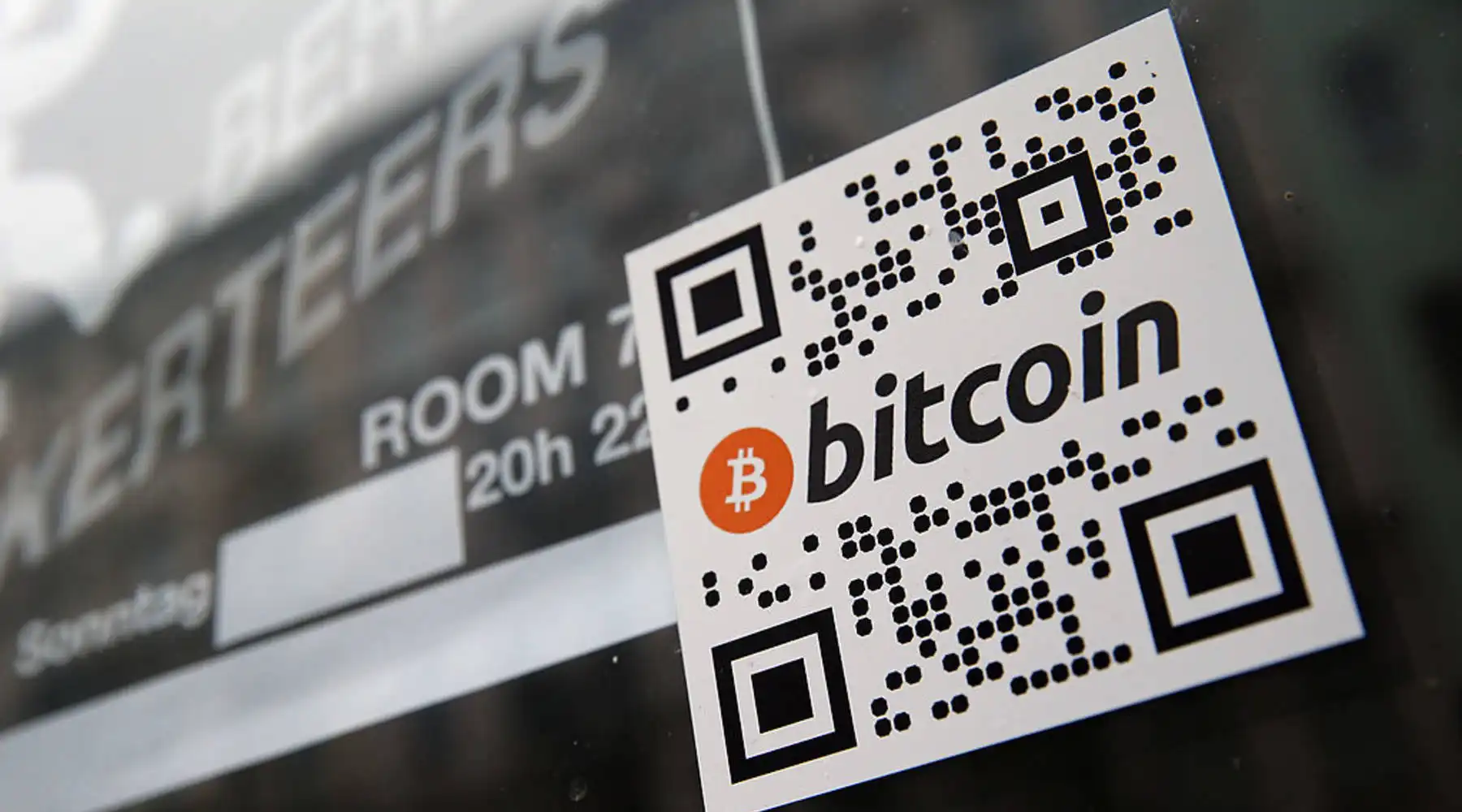
  •  sticker on the window of a local pub indicates the acceptance of Bitcoins for payment.
    Sean Gallup/Getty Images

    Here’s the thing about WannaCry, the ransomware attack much of the planet was dealing with today: it’s been remarkably unprofitable for the perpetrators. Hackers asked for as much as $300 worth of bitcoin per infected user, and they’ve only netted about $55,000 for their efforts. Why use bitcoin as ransom payments? We’ll talk about it. Then: 2017 is gonna be written about in the history books for a whole lotta reasons, one of which might be as a tipping point in the global economy. Following China’s big infrastructure summit we’ll sort through the state of negotiations around the world. Plus: why it’s a good time to be a restaurant worker in Nashville. 

  • Authorities are working to identify who developed a computer worm that's locking up data around the world and holding it for ransom. We'll discuss how India specifically is coping with the cyberattack, and then hear from a Microsoft regional director about the effectiveness of its patch software: Plus: a look at the future of France and Germany's relationship following Emmanuel Macron's presidential victory.

  • A sign leading to U.S. Bankruptcy Court in New York City.
    Chris Hondros/Getty Images

    The story of one U.S. gym chain illustrates the perils of this type of bankruptcy for consumers.

  • It’s tradition for any new French president make a pilgrimage to Germany. Given the particular power of Angela Merkel, the defeat of an anti-EU French candidate and French winner Macron’s interest in more European economic integration, the meeting will be more closely watched than usual. Click the audio player above to hear the full story.

  • About 22 million Americans who are either married or living together keep separate bank accounts. That’s according to a recent survey by the personal finance site Bankrate.com. It also found that younger couples are more likely to keep their money separate. Click the audio player above to hear the full story.

  • 05/15/2017: Remember to update your software
    Christiaan Colen/Flickr

    GM is launching a new service called Maven, which will allow drivers to rent cars by the hour. We’ll discuss how Maven is different from the competition and GM’s future in the self-driving landscape. Afterwards, we’ll look at President Trump’s decision to sign an executive order asking government branches to report on their security challenges — a move that coincided with a global ransomware attack. 

  • 05/15/2017: The malicious computer worm that holds your data for ransom
    MANAN VATSYAYANA/AFP/Getty Images

    Countries around the world, including Russia and China, have been hit by a cyberattack that erupted on Friday. We’ll look at how it’s affected some businesses, and the demands that were put forth by the ransomware. Plus: a look at the differences between Chapter 7 and Chapter 11 bankruptcies. 

  • Your computer’s security updates may be annoying, but they’re crucial
    Stephen Brashear/Getty Images

    The ransomware known as WannaCry has affected individuals and companies worldwide. Could it have been prevented?