Marketplace®
Every story is an economic story
  • With 217,000 additional jobs in May, a look at what it looks like to hunt for a job

  • This week, guest host David Lazarus of the LA Times and Marketplace’s Stacey Vanek Smith discuss the latest report on data brokers. Should you be worried about what they’re doing with your information? Financial journalist Ilyce Glink talks with David about the fall and rise of home-equity loans. Jessica in Orlando, Florida wants to know if it makes more financial sense to buy a more expensive home in a good school district or spend nearly $10,000 a year on private school tuition. Then, Kim in Minneapolis writes in to find out if credit counseling is the best way to tackle her student loans plus $24,000 in credit card debt leftover from an old relationship.  Mary Beth Franklin, a contributing editor at InvestmentNews, talks with guest host David Lazarus about how to get the most out of your Social Security benefits.

  • It's either a catalog, a megalog, or a brick.

  • Jun 6, 2014

    Why the U.S. economy is like a donut

    by Krissy Clark

    It's full on the outside edges but hollow in the middle (class).

  • Jun 6, 2014

    Tesla: we’re not car dealerships

    by Dan Bobkoff

    Tesla says its New Jersey showrooms aren't a threat to car dealerships.

  • Tesla is trying to get its showrooms in New Jersey re-opened with legislation that argues that car dealerships are really repair shops. Teslas don’t require a lot of repairs and maintenance, ergo sum, a Tesla showroom doesn’t threaten traditional dealers. Except, maybe, by revealing their real business model. In sweeter news, today’s National Doughnut Day! The celebration was begun by the Salvation Army in 1938 to raise funds for people in need during the depression era. We report on the intersection of poverty and America’s favorite breakfast treat. Plus, UPS is delivering 6-pound bricks of Restoration Hardware catalogs, The Complete Set, including a one-page statement of sustainability impact (hey! We only do this once a year…). We look at the marketing strategy, figure out exercise routines using the brick, and investigate other uses.

  • Jun 6, 2014

    Weekly Wrap: A surprise-free 217,000

    by Kai Ryssdal

    Jo Ling Kent of Fox Business and Felix Salmon of Fusion on the week's news.

  • Six expert secrets to a successful Social Security strategy
    flickr.com/401(K)2012

    Perfecting your Social Security strategy in six (pretty) easy steps.

  • Jun 6, 2014

    The tip jar gets a digital makeover

    by Kaitlin Funaro

    Technology is making us better tippers but not without an extra dose of awkwardness.

  • Our jobs report headline generator can show all the ways to interpret the numbers.

  • Why we are learned to stop worrying and love the numbers.

  • Jun 6, 2014

    Why people are moving

    by Shea Huffman

    The U.S. Census Bureau released a survey detailing the reasons for when people move.

  • Author Mona Simpson.
    Gasper Tringale

    We're asking authors about the numbers that inspire them.

  • Jun 6, 2014

    The resurgence of HELOCs

    by Candace Manriquez Wrenn

    Home equity lines of credit were popular before the recession, and now they're making a comeback.

  • Jun 6, 2014

    Friday the 13th and a full moon

    by Michelle Philippe

    Marketplace Datebook for the week of June 9, 2014

  • Blurring the line between advertising and entertainment.

  • Jun 6, 2014

    PODCAST: 217,000 new jobs

    by Mark Garrison

    The jobs report for May, the worth of California Chrome, and what business can learn from soccer

  • Jun 6, 2014

    3, 2, 1… 3.5 million?

    by Marketplace Contributor

    The percentage of 18-34 year olds still living with their parents has climbed.

  • Jun 6, 2014

    How much tech in the classroom is too much?

    by Dan Abendschein

    Our survey on classroom tech shows very few teachers ban devices outright.

  • A new study shows that diversity within a team provides higher number of wins overall.

  • How well have you kept up on this week's tech news?

  • On today’s episode, Pai-Ling Yin from the Stanford Institute for Economic Policy Research talks about why Apple’s new Programming language, Swift, makes it easier and harder to be an app developer. Plus, we’re joined by Jenna Wortham, technology reporter for the New York Times, to play our weekly quiz on the week in tech: Silicon Tally

  • The Beastie Boys were awarded $1.7 Million in a case against Monster Beverage Corp

  • The planning on the release of Hillary Clinton’s fifth book has been downright military grade

  • Jun 6, 2014

    How much is California Chrome worth?

    by Conrad Wilson

    Even if he wins horse racing's Triple Crown, the horse may not fetch top dollar.

  • Has normality returned to the labor market after winter weather distortions?

  • The Labor Department issues the May jobs figures today, but has normality returned? What do the latest figures say about jobseekers returning to the economy and better job openings? Can we now expect healthy job creation every month going forward? We also look at wage growth and the fact that things are still far behind where they would have been if the Great Recession had not cost so many jobs. Plus, California chrome goes for horseracing’s Triple Crown this weekend at the Belmont Stakes, and even if he wins, the horse won’t likely sell for the top rates (up to $60M) we’ve seen in the past. Then, the planning on the release of Hillary Clinton’s fifth (yes, fifth) book has been downright military grade. There’s not just the steady drip, drip, drip of excerpts and leaks, there’s the Twitter account, and all the appearances in the works. We look at the way books like Clinton’s, Geithner’s and Bernanke’s (forthcoming) are marketed. And after, Professor Sebastian Saiegh joins us to talk about what soccer can teach us about the benefits of organizational diversity.

  • Jun 6, 2014

    Do you still call yourself middle class?

    by Lizzie O'Leary

    More and more of us aren't using the term "middle class" anymore.

  • New data shows the number of American homeowners underwater continues to decline.

  • Traders work under the index board that shows the DAX has broken the 10,000 mark for the first time ever at the Deutsche Boerse exchange on June 5, 2014 in Frankfurt, Germany. The rise comes after European Central Bank President Mario Draghi announced record low interest rates. 
    Thomas Lohnes/Getty Images

    People who save money usually get paid. Now, European banks pay for the privilege.

  • The European Central bank has put in place a “negative interest rate” policy, in hopes of stimulating its economy. We explain what a negative interest rate actually is, and how it will affect the Eurozone economy and that of trading partners like the US. Plus, new data shows the number of American homeowners who are underwater, owing more to banks than their homes are worth, continues to decline. We explore what that means for homeowners and the economy as assets increase and homeowners regain mobility.

  • In which Ikea reveals it knows way too much about us.

  • Jun 5, 2014

    What do schools want from classroom tech?

    by Dan Abendschein

    View Survey

  • Jun 5, 2014

    So, who’s picking up the doughnuts?

    by Michelle Philippe

    Marketplace Datebook for Friday, June 6, 2014

  • General Motors CEO Mary Barra responds.

  • U.K. arts subsidies used to be mainly for ballet and theater. That's changing.

  • Sharing patient information could save billions a year, but it doesn't happen.

  • European Central Bank makes moves to avoid deflation, the possible Sprint/T-Mobile merger, how vocal fry affects men and women

  • For recording engineer Steve Albini, it's about work but not profit

  • A look at the pros and cons of Sprint potentially purchasing T-Mobile

  • Jun 5, 2014

    The number 2,000: Economic lessons from Brazil

    by Marketplace Contributor

    Just because something has never happened before, doesn't mean it's impossible.

  • Allan Sloan talks about companies that move their headquarters outside the U.S. to avoid taxes.

  • Jun 5, 2014

    Torture tested guitar strings

    by Molly Wood

    D'Addario and Company is working towards a newer, stronger, super string

  • Jun 5, 2014

    Is vocal fry hurting women’s job prospects?

    by Mark Garrison and Monica Munoz

    Why creakiness in your voice could cost you.

  • Do I detect a hint of sarcasm? On today’s show, Noah Smith, an associate professor of Language Technologies and Machine Learning at Carnegie Mellon University, talks about building a program that detects sarcasm. Plus, we visit Jim D’Addario, CEO of the D’Addario strings company, to talk about manufacturing technologies and the company’s new, super-strong guitar string  

  • Jun 5, 2014

    The Clippers’ price tag could catch on

    by Stacey Vanek Smith
    Steve Ballmer, former Microsoft CEO (L), sits with Dan Beckerman, the President and CEO of AEG (R) in the first period of Game Six of the Western Conference Final during the 2014 Stanley Cup Playoffs at Staples Center on May 30, 2014 in Los Angeles, California. Steve Ballmer has reportedly made an offer to purchase the Los Angeles Clippers basketball team for $2 billion.
    Jeff Gross/Getty Images

    Tech billionaire Steve Ballmer is paying an eye-watering $2 billion for the Los Angeles Clippers. Are multi-billions the new normal for sports teams?

  • A look at the importance of the Affordable Care Act's outreach to Latinos.

  • Tech billionaire Steve Ballmer is paying an eye-watering $2 billion for the LA Clippers. Whether or not the Clippers are actually worth this amount, how is this going to affect the price-tag of the Lakers and other NBA teams? Plus, the final vote to confirm Sylvia Mathews Burwell as the HHS secretary is expected tomorrow. We look at the importance of the Affordable Care Act’s outreach to Latinos, who are not only a big proportion of the uninsured, but also part of the healthy young segment the ACA needs. Then, we talk to Olga Kazhan about her article in the Atlantic about how vocal fry impacts women in the workplace. And later, we talk to Fortune’s Allan Sloan about the issue of tax inversion and the tax revenue that’s lost when companies go off-shore. Allan will also discuss the S&P 500’s openness to off-shore companies, as well as the Fortune 500’s aversion to them.

  • Looking at this week's numbers, HBO's show about techies looks good and might even survive the fears that it doesn't feature enough women.

  • View Survey

  • Jun 4, 2014

    The economic backdrop to Tian’anmen

    by Rob Schmitz

    The Tian’anmen Square protests were about more than just students and democracy.

  • Jun 4, 2014

    No more Roman numerals for the NFL

    by Kai Ryssdal

    It'll be just plain "Super Bowl 50".

  • A bill was introduced that allows students to re-finance their student loans.

  • The Walmart protests are a far cry from labor movements that organized the country’s major industries.

  • Soon, the answer could be "Dr. Toby Cosgrove".

  • Word is that the head of the Cleveland Clinic, Delos “Toby” Cosgrove, is on the short list to be the new boss of the Department of Veterans Affairs. The VA system has more in common with the renowned Cleveland Clinic than you might think, despite its recent problems. We look at some of the similarities between the two organizations. Plus, the protests and appeals of Walmart workers are a far cry from the labor movement that organized the country’s major industries many decades ago. The reliance on protests and publicity just goes to show how limited labor organizers have become, and how difficult it is to organize low-wage industries whose workers can’t afford to risk their jobs. We’ll also take a look at a couple hearings on the hill including one heard this morning regarding student debt. Elizabeth Warren introduced a bill that would let students refinance their federal student loans. Why can’t they do that now? And what would it mean if they could?  

  • Students who graduate from purely online programs may leave with more debt

  • Jun 4, 2014

    This summer’s most boring read

    by Kai Ryssdal

    The Fed's Beige Book is as bland as the color of its cover, and it's on purpose.

  • Jun 4, 2014

    Where all those digital cookies came from

    by Stacey Vanek Smith
    On today's show, we'll talk about the FCC settlement with Verizon over supercookies
    Photo by Mike McGinnis/Getty Images for HumanaVitality

    How the online cookie went from friend to foe… and why we may be friends again.

  • It's a line that's often repeated, but is it true?

  • Marketplace Datebook for Thursday, June 5, 2014

  • The man behind Fannie and Freddie, Chip and PIN credit cards from Sam's Club, and the blue collar protesters at Tiananmen Square

  • Jun 4, 2014

    Job-seeking grads embrace the obvious

    by Dan Abendschein

    LinkedIn offers a top-10 list of where grads are relocating for work

  • Jun 4, 2014

    The day I realized a taxi medallion costs $1 million

    by Marketplace Contributor

    How could a new immigrant possibly purchase a $1 million taxi medallion now?

  • A look at what is slowing the change to Chip and PIN technology

  • A teacher in Hawaii is using interactive fiction to teach coding.

  • The numbers behind what some are calling a pretty low stakes wager

  • Jun 4, 2014

    Complying with the EPA, state by state

    by Conrad Wilson

    The EPA plan to curb carbon emission will let states device their own plans. We look at how they'll differ.

  • Many patients want their personal information kept confidential — unless it can be used to help others. On today’s show, a look at new projects run by UC San Diego and the Robert Wood Johnson Foundation where personal health data could help the public good. Plus, Ryan Calo, a Law Professor at the University of Washington, talks about the European Union’s Public Private Partnership in Robotics. Last but not least, more on the pleasure and perils of wearing Google Glass in the real world.

  • The Health Privacy Summit kicks off Wednesday morning in DC. Just this week, the federal government released more health data as the drum beat for access to more information gets louder. But there’s a real tension here. Many patients want their personal information kept confidential unless it can be used to help others. We take a look at the new projects run by UC San Diego and the Robert Wood Johnson Foundation where personal health data could help the public good. Plus, the EPA plan to curb carbon-dioxide emissions let’s states devise their own plans. There’s already big differences among states in one area: the cost of electricity for their residents. We examine the difference in rates and the reasons. 

  • How wearable technology might share our health data without creeping us out.

  • Jun 4, 2014

    American Express: from exclusive to inclusive

    by Stacey Vanek Smith
    American Express: from exclusive to inclusive
    Pixabay

    The issuer of the famous Black Card is focusing on low-income financial services.

  • The 1989 protests in Tiananmen square were about more than just democracy.

  • Jun 4, 2014

    My six weeks with Google Glass

    by Molly Wood

    Rory Cellan-Jones set out to figure out just how functional Google Glass really is

  • Jun 4, 2014

    The man behind Fannie and Freddie

    by Nancy Marshall-Genzer

    In the world of real estate, few people are more powerful than Mel Watt.

  • Jun 4, 2014

    If we were to replace the Dow Jones?

    by Kai Ryssdal

    I like the Dow as much as the next guy: it's on the show every day.

  • Examining the choices doctors make about their own final days helps the rest of us

  • The Secret Service wants someone to create software that will detect sarcasm.

  • Jun 3, 2014

    All of a sudden, everyone’s buying new cars

    by Nancy Marshall-Genzer

    Auto sales figures out today show a huge increase. What’s behind the sudden rise?

  • Conde Nast is working with universities to create accredited certificate programs.

  • Even with EPA goals, 30 percent of U.S. electricity will come from burning coal.

  • A national poll shows there is broad public support for the EPA clean up of coal-burning generating plants. But the EPA’s proposal does not eliminate coal. In fact, coal would still power 30 percent of electricity generation by 2030. What the rules are likely to do is move utilities to do what they’re already doing for business reasons- eliminate their most inefficient, therefore most polluting, plants. Then, Conde Nast is getting into the business of teaching. The renowned media company that already teaches a Vogue fashion course in London is working with universities to create accredited certificate programs. We ‘ll take a look at the range of knowledge they might impart: from Wired to Golf digest to the New Yorker. Moving on to the auto industry- auto sales figures out today show a big jump in sales for major manufacturers, including Chrysler, GM and Nissan. What’s behind the sudden rise in sales and why do consumers now feel able to shell out on autos? We investigate.

  • Jun 3, 2014

    Curveball: Where teachers play hooky

    by Dan Abendschein

    View Survey

  • Jun 3, 2014

    Lace up and cover some ground

    by Michelle Philippe

    Marketplace Datebook for Wednesday, June 4, 2014

  • College courses ripped from the magazine pages of Wired, Gourmet and others.

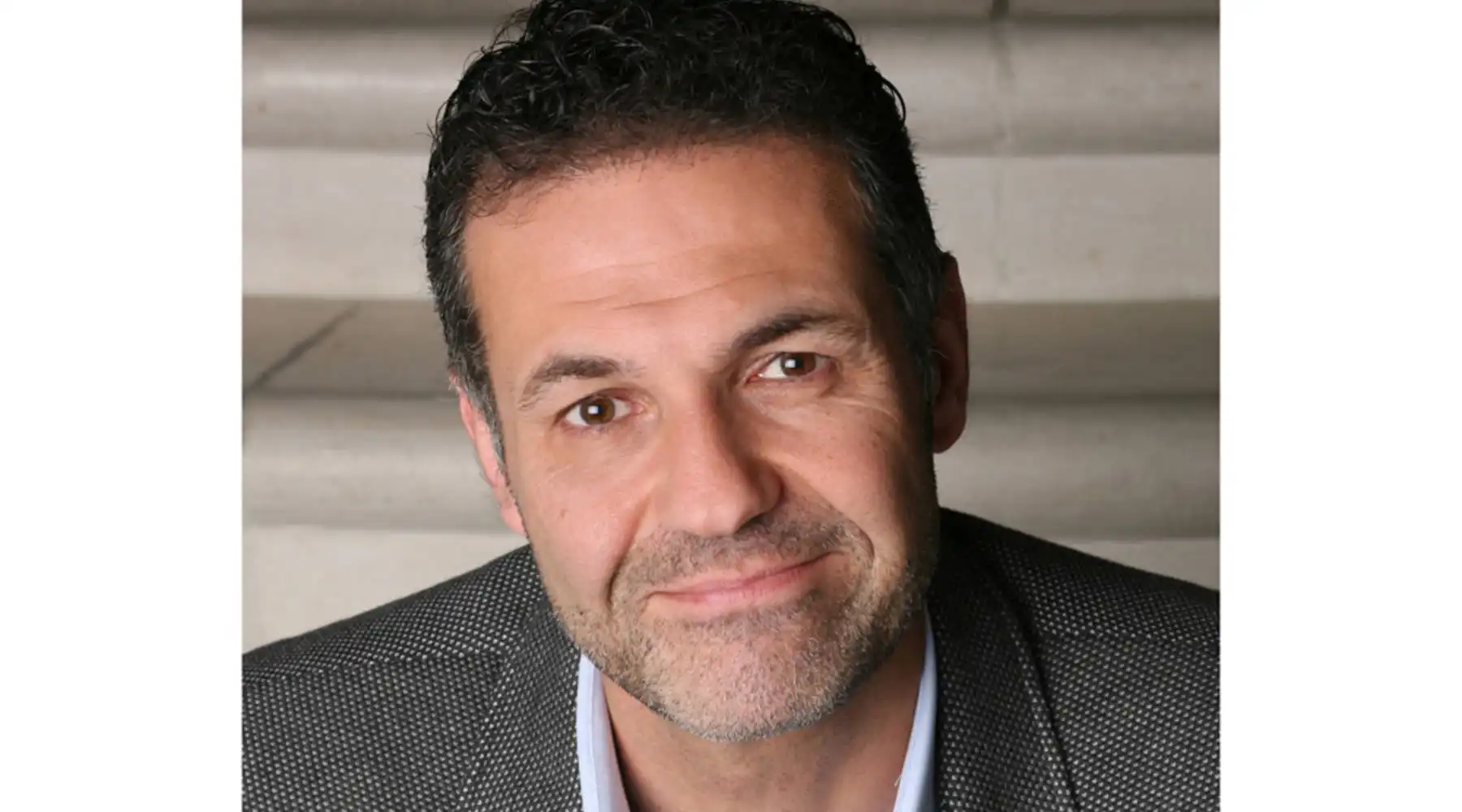
  • Author Khaled Hosseini.
    Elena Seibert

    We're asking authors about the numbers that inspire them.

  • “They’re not going to eat it necessarily just because you put it on their plate."

  • How games like Minecraft could be the key to solving the tech industry's imbalance

  • Jun 3, 2014

    2/27/07, 416, 546 and the day the market broke

    by Marketplace Contributor

    The birth of the mortgage bust and "the death of the God of the closing bell."

  • Jun 3, 2014

    Small businesses create new jobs for autistic adults

    by Marketplace Contributor

    Small business models across the U.S. ease young people with autism into work.

  • The war for Jimmy Dean's, the creation of green-jobs, and the effort to make more home-grown products in the UK

  • President Obama is asking for up to $1 billion to boost military in Europe

  • Among the uses of the cryptocurrency is the ability to hide assets during divorce proceedings

  • Jun 3, 2014

    Reduce carbon, create jobs?

    by Mitchell Hartman

    The EPA says reducing carbon emissions will cost billions but create energy jobs.

  • The iconic motorcycle manufacturer wants to attract younger riders, and women.

  • Harley Davidson will start selling two new motorcycles aimed at women, who account for a small but growing segment of the motorcycle market. We look at Harley’s strategy and the potential payoff. Plus, reducing carbon emissions will cost utilities billions of dollars a year. But the effort will also create jobs – building new power plants, drilling new natural-gas wells, making efficiency improvements at all levels of the power and consumption grid. Also, American Express, maker of the famous Black Card, is now focusing its business model on low income Americans. AmEx recently launched an interesting partnership with Wal-Mart, creating an alternative checking/debit product called Bluebird, which is primarily free and focuses on the underbanked. We investigate. Then, we look at a new program that works to find jobs for those who are autistic.

  • On today’s show, we’re joined by Shara Tibken, a senior writer at CNET, to talk about Apple’s WWDC Keynote and what to expect from the company this fall. Plus, Dan Kaminsky, Chief Scientist at the security firm White Ops, talks about Operation Tovar – an international effort to root out the Gameover botnet that targets Windows PCs and mines them for financial and personal data. Also, a conversation about getting girls interested in STEM fields through gaming.

  • Commuters commute at lunch hour at Raffles Place on February 14, 2013 in Singapore. The government white paper revealed Singapore's population may increase 30 percent to over 6.9 million by 2030, with nearly half the population expected to be foreign-born.
    Suhaimi Abdullah/Getty Images

    Social security fears in one of the world's most rigorously-controlled economies.

  • View Survey

  • "We like to tell our people that they should be data-informed as opposed to data-driven."