
Nigeria loses oil subsidy, fuel prices double


Stacey Vanek Smith: Nigerians are expressing outrage this morning. The government has just announced it’s nixing a longtime fuel subsidy. Gas prices there have more than doubled in many places. Nigerians had been paying about $1.50 per gallon. The country is Africa’s biggest oil producer.
The BBC’s Tomi Oladipo joins me now from Lagos. Good morning Tomi.
Tomi Oladipo: Good morning.
Smith: So Tomi, what are the implications of getting rid of this fuel subsidy for Nigeria?
Oladepo: Obviously life becomes harder — if the price of fuel goes up, then transport prices go up and food prices go up, and everything else will follow. A lot of Nigerians have said that the fuel subsidy was the only benefit that they saw coming from an oil producing country because Nigeria’s still a developing country, and many things are not in place — from health care to roads to education, all those things still have a lot of problems. So a lot of Nigerians felt that the cheap fuel that they had was the only benefit. And life is going to become much more expensive now.
Smith: And you’re on the streets of Lagos this morning — what are you seeing?
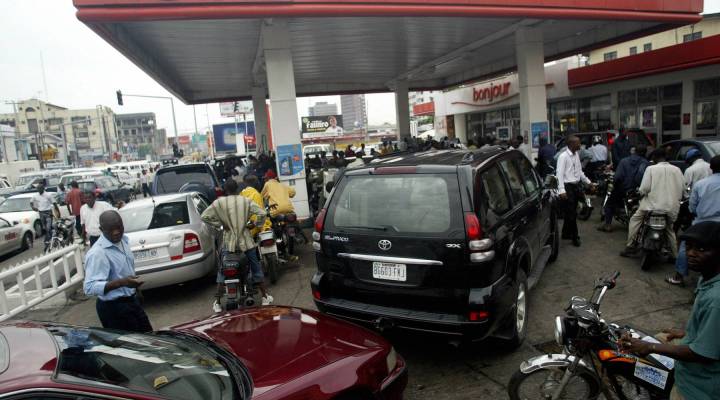
Oladepo: Today, a lot of the fuel stations have been closed. For the ones that are open, there have been very long queue — people queuing up with their cars, and people bringing cans along so that they can keep some extra fuel at home. And of course, the fuel prices have doubled, but it seems that people just want to take precautionary mesaures and get as much fuel as they can and keep that.
Smith: Tomi Oladipo joins us from Lagos, Nigeria this morning. Tomi, thank you.
Oladepo: You’re welcome.
Stories You Might Like


There’s a lot happening in the world. Through it all, Marketplace is here for you.
You rely on Marketplace to break down the world’s events and tell you how it affects you in a fact-based, approachable way. We rely on your financial support to keep making that possible.
Your donation today powers the independent journalism that you rely on. For just $5/month, you can help sustain Marketplace so we can keep reporting on the things that matter to you.









