
Betting the farm on rising food prices

Natural disasters from drought to flood and almost everything in between can do quite a number on farmers and their crops — and the prices consumers wind up paying. A prime example: the Midwest this summer .
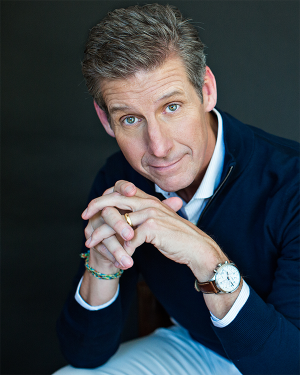
But nature’s not the only reason food prices go up. In his new book, “Bet the Farm: How Food Stopped Being Food,” Frederick Kaufman says banks are “food neutral” but the transformation of food into a commodity that gets traded has caused food prices to artificially rise.
Kaufman started his exploration at the headquarters of Domino’s Pizza in Ann Arbor, Mich. Companies like Domino’s need stability in the prices they pay for ingredients like wheat, cheese, and tomatoes. And the commodities markets give them that stability.
But Kaufman says there’s risk:
Kaufman: Let’s say you promise to sell tomatoes at a certain price and the tomato price just skyrockets, you really lose a lot of money.
Kai Ryssdal: Let me give you the Wall Street counter-point, right, which will be: we supply liquidity to the markets, we ensure efficient movement of capital to where it needs to go to ensure maximum productivity and the cheapest possible product and we’re doing a good thing.
Kaufman: That’s absolutely true, but not today. These food commodity markets worked beautifully for about a hundred years. And there was a really nice balance of speculators and bonafide hedgers and commodity markets need speculation. Speculation in and of itself is not bad. The real price of wheat actually went down throughout the 20th Century, it remained stable. And of course, that’s no coincidence, that’s the greatest century of American strength. But when all of a sudden, huge volumes of new speculative money pours into the market, you get an asymmetrical market. Volatility starts going crazy. The market needs to be re-regulated.
Ryssdal: Well I get what you’re saying but if the markets had worked so well for a hundred years, how come you still have people starving? How come everybody didn’t have cheap healthy delicious food as you say in this book?
Kaufman: You know it’s funny. The hunger numbers are very hard to parse. I think that, you know, there was a very strong sense right before the Green Revolution, we had to do something about global hunger, right. We brought the numbers down, then they went back up again. This is kind of unconscionable, a billion hungry people. That’s kind of an apocalyptic number. And it’s certainly unconscionable in an age where we have iPods and iPhones and all sorts of technology. This is simple technology, is putting food in people’s mouths.
Listen to the full conversation above.
Stories You Might Like


There’s a lot happening in the world. Through it all, Marketplace is here for you.
You rely on Marketplace to break down the world’s events and tell you how it affects you in a fact-based, approachable way. We rely on your financial support to keep making that possible.
Your donation today powers the independent journalism that you rely on. For just $5/month, you can help sustain Marketplace so we can keep reporting on the things that matter to you.








