Redefining ‘billfold’


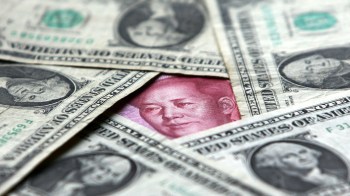
The dollar bill is the most common denomination of U.S. banknote. And, you probably don’t give it a second thought, other than a means to pay your bills or buy something. But for Swiss-South African artist Sipho Mabona, he saw a medium to convey a political message.
Tess visited Mabona’s installation — part of a larger origami exhibit — in the Japanese American National Museum in Los Angeles’ Little Tokyo. Mabona folded sheets of uncut U.S. dollar bills (each sheet contains 21 bills) and painstakingly folded them into locusts, which takes about five hours for each bug.
Take a listen to the audio above to learn what Mabona wanted to say with his menacing locust bug origami installation.
Stories You Might Like


There’s a lot happening in the world. Through it all, Marketplace is here for you.
You rely on Marketplace to break down the world’s events and tell you how it affects you in a fact-based, approachable way. We rely on your financial support to keep making that possible.
Your donation today powers the independent journalism that you rely on. For just $5/month, you can help sustain Marketplace so we can keep reporting on the things that matter to you.