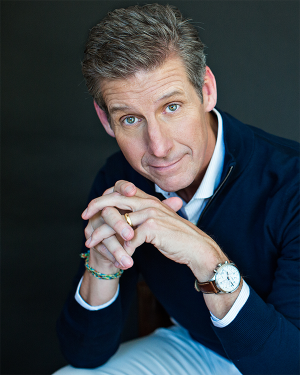
Kai Ryssdal: The idea of living by yourself can be — depending on where you’re coming from — bliss, or a little bit sad. Kinda lonely. Where you come home and flip on the TV, just to break the silence.
More and more, though, the bliss angle is winning. Eric Klinenberg’s new book is called “Going Solo: The Extraordinary Rise and Surprising Appeal of Living Alone.” Thanks for being here.
Eric Klinenberg: Nice to be here.
Ryssdal: I have to confess I’m confused, because I thought one of the great social implications of the Great Recession of ’08 was that people started moving in with others, moving back with mom and dad. What’s going on?
Klinenberg: Well we definitely read that story, and it is happening a little bit. Some people call this the “Boomerang Generation” and say that young people who would have had a chance to go out on their own are now being forced to live in their parents’ basements, god forbid. But the bigger story, the bigger social change, is that since 1950, we’ve seen an enormous spike in the number of people who have been living on their own as young adults. So about 1 percent of Americans under 30 lived alone in 1950; today, even with the recession, about 11 percent do.
Ryssdal: All right, what gives? Why is this happening?
Klinenberg: Well, there are a lot of young people out there who, despite the tough economic times, are still making enough money to get a place of their own. And part of that is because they find it so valuable that they’re willing to pay a premium not to live with roommates, not to live with their parents. And I think a big reason for that is that now that people are delaying marriage as long as we are, getting a place of your own is the key way that young people become adult.
Ryssdal: Do people actually when they live alone go out more, I mean, just to keep up with that social theme? Do you see it in bars and restaurants and clubs and stuff?
Klinenberg: This is one of the great surprises to me. The story that we’ve always told about singles and people who live alone is that they get withdrawn and isolated, they feel lonely. But in fact, the data show that compared to married people, adults who live alone are actually more social. They spend more time with their friends and with their neighbors, they spend more evenings out in bars and cafes and restaurants. So my argument is that singles have boosted urban economies, not just across the country, but around the world over the last few decades. They’ve been a kind of invisible and unappreciated force for economic productivity and growth. If you took singles and all their purchasing power out of cities, they’d be in real trouble today.
Ryssdal: What happens because this is happening? Does it change the way builders build, for example? Does it change the way marketers market?
Klinenberg: There’s so many economic consequences of the spike of living alone that we failed to appreciate, fields from take-home foods to automobiles. For instance, in the real estate sector, there are developers now who are building a lot of new places, specifically designed for urban residents who are willing to give up a little personal space in their apartment for a great location in a neighborhood that allows them to be close together with other people like them. So here in Manhattan, which is the American capital of singletons — about one of every two households in Manhattan is a one-person household. And even jewelers — one company, De Beers, is now making a diamond ring for women to wear on their right hands if they’re not married.
Ryssdal: So here’s come the put-up-or-shut-up question: Do you live by yourself?
Klinenberg: I don’t know if that’s the put-up-or-shut-up question. Once I did, and was actually really happy doing it. Now, I live with my wife and my two very young children in the heart of Manhattan, and there are those who say that this is my fantasy book.
Ryssdal: Yeah, that’s right, there you go.
Klinenberg: Nothing makes you appreciate the value of solitude like living in close quarters in Manhattan, with lots and lots of people.
Ryssdal: That’s right. Eric Klinenberg is a professor of sociology at N.Y.U. His new book is called “Going Solo: The Extraordinary Rise and Surprising Appeal of Living Alone.” Eric, thanks a lot.
Klinenberg: Thank you.
Stories You Might Like


There’s a lot happening in the world. Through it all, Marketplace is here for you.
You rely on Marketplace to break down the world’s events and tell you how it affects you in a fact-based, approachable way. We rely on your financial support to keep making that possible.
Your donation today powers the independent journalism that you rely on. For just $5/month, you can help sustain Marketplace so we can keep reporting on the things that matter to you.