
Oil trading may be done without dollar


TEXT OF INTERVIEW
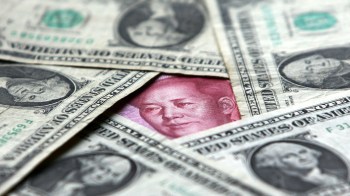
Bill Radke The U.S. is already facing economic troubles and mounting debt. Now we’re hearing about a challenge to America’s global financial leadership. London’s Independent newspaper reports this morning Arab countries are talking with China, Russia, Japan and France about no longer trading oil in U.S. dollars. I’m joined by the author of that story, the Independent’s Middle East correspondent Robert Fisk. Robert, what’s behind this secret push?
Robert Fisk: Well I think it’s China’s way of pushing its own currency forward along with a basket of other currencies, including gold, the euro, possibly a new currency in the gold. And the idea is to show independence rather than just a complaint against the dollar itself.
Radke: Why would de-linking the oil and the dollar stabilize prices?
Fisk: Because you’d have more currencies to bounce along beside each other. And you couldn’t have huge dips and falls on the market for either the consumer or the producer.
Radke: You’re right that the U.S. is sure to fight this move. How would this hurt the U.S.?
Fisk: Well I mean the dollar ultimately will go down. It did go down slightly when my story appeared this morning. But then recovered when the Saudis denied that they had any plans for a new currency.
Radke: How much is this happening because of the global meltdown and America’s great debt?
Fisk: Well this started before the global meltdown. Although when I spoke to investment brokers and bankers in Hong Kong, they made the point that the meltdown was only proof that they were right to try and move away from the dollar because this — in their view — the contagion started in America, spread to Europe and then moved through the rest of the world.
Radke: Can America really fight this move or is this inevitable?
Fisk: I think it’s inevitable. So many countries have been talking about it. So many countries have been complaining constantly, and sometimes with great frustration and irritation at the way in which the Americans control the financial system. And I think there’s a good deal of frustration, which is mixed up with the political feeling that so many countries are tired of being dominated, now there’s only one superpower.
Radke: Robert Fisk is Middle East correspondent for the Independent. Robert, thank you.
Fisk: You’re very welcome. Thank you.
Stories You Might Like



There’s a lot happening in the world. Through it all, Marketplace is here for you.
You rely on Marketplace to break down the world’s events and tell you how it affects you in a fact-based, approachable way. We rely on your financial support to keep making that possible.
Your donation today powers the independent journalism that you rely on. For just $5/month, you can help sustain Marketplace so we can keep reporting on the things that matter to you.








