Geithner: U.S. a big contributor to crisis


TEXT OF STORY
Kai Ryssdal: With the economy the way it is just having a job is something to be grateful for, but don’t you kind of wonder whether Timothy Geithner late at night and all alone quietly asks himself if he’d be better off doing something else. Well, after a speech in Washington this morning, the Treasury secretary was asked that very question.
Tim Geithner: I am… uhhhh. I feel deeply privileged as I said. To have this moment.
Once the laughter died down Geithner kept on going. He said it’s the United States that is to blame for the financial mess that the world finds itself in. Marketplace’s Steve Henn has more.
STEVE HENN: Here’s how Geithner put it:
Geithner: I feel a deep sense of obligation, particularly given the responsibility that America bears for this crisis, to be part of this effort with this president and this Congress, trying to fix this crisis and get us back to the position where the government of the United States is doing a better job of managing our country’s economic fortunes.
In the lead up to the G-20 meetings in Washington this weekend, Gary Hufbauer at the Peterson Institute says that statement is significant.
GARY Hufbauer: It’s a very important thing to say. First it is true, as everyone outside the United States recognizes.
And Hufbauer says the U.S. still needs lots of help fixing this mess. Last month G-20 countries promised to pass regulatory reforms and pledged to give the IMF $1.1 trillion for loans to developing countries — but the heavy lifting — appropriating that money and passing the new laws hasn’t started.
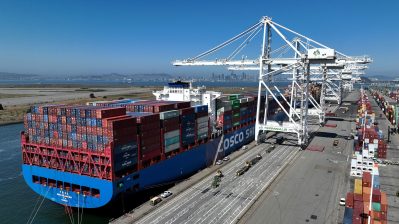
And Hufbauer believes there’s an even bigger challenge: our trade deficit.
For years, foreigners haven’t wanted to buy what we make, so they’ve bought our debt instead. That’s pushed interest rates down making it easy for consumers to borrow even more. First, that seems like a good thing, leading to low mortgage rates for instance.
GARY HUFBAUER: So it does lead to the good things that you’ve talked about, and we’ve kind of gorged on good things.
Now Hufbauer worries if we don’t do something to fix our deficits, the temptation to borrow beyond our means will still be there when the economy recovers.
In Washington, I’m Steve Henn for Marketplace.
Stories You Might Like


There’s a lot happening in the world. Through it all, Marketplace is here for you.
You rely on Marketplace to break down the world’s events and tell you how it affects you in a fact-based, approachable way. We rely on your financial support to keep making that possible.
Your donation today powers the independent journalism that you rely on. For just $5/month, you can help sustain Marketplace so we can keep reporting on the things that matter to you.