In energy speech, Obama calls for reduction in oil imports
In energy speech, Obama calls for reduction in oil imports


UPDATED REPORT
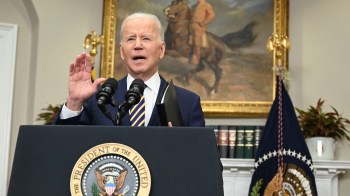
STEVE CHIOTAKIS: At this hour, President Obama is speaking about the nation’s energy policy — talking about nuclear energy with deference to the crisis in Japan. And about America’s reliance on foreign oil.
BARACK OBAMA: And we will keep on being a victim to shifts in the oil market until we finally get serious about a long term policy for a secure, affordable energy future.
The president at Georgetown Unversity, just minutes ago. The White House plan, by the way is to reduce oil imports by a third over the next 10 to 15 years.
Marketplace’s Washington Bureau Chief John Dimsdale is with us now. He’s live. Good morning John.
JOHN DIMSDALE: Hey Steve.
CHIOTAKIS: How does the president propose to reduce those oil imports?
DIMSDALE: Well, first he says that there are untapped oil resources in this country. But he also figures given all the volatility in the Middle East, oil prices are going to be high, which provides another incentive to switch to cleaner alternatives like domestic supplies of natural gas.
But you know Oxford University energy professor Dieter Helm isn’t so sure that oil will become more expensive in the longer run. He predicts that the leaders of those Middle Eastern countries are going to be desperate for money to placate protesters.
DIETER HELM: The only way these countries can meet that public expenditure is pump the oil. There’s a huge amount of misplaced hype about some kind of coming oil Armageddon in the future. In fact the implications of this unrest is probably more production, rather than less.
CHIOTAKIS: All right. What about the country’s use of nuclear power with what’s going on in Japan?
DIMSDALE: Right, the president says he’s still a supporter. He thinks it is safe, even though he says that there are lessons to be learned from what’s going on in Japan. He said nuclear remains in the mix of energy sources that are cleaner than coal or oil. And it’s necessary to get us to the day when safe, renewable fuels are available.
CHIOTAKIS: OK, the president still speaking on America’s energy policy at Georgetown. John Dimsdale, thanks for that. I appreciate it.
DIMSDALE: Thanks Steve.
ORIGINAL REPORT
JEREMY HOBSON: Unrest in the oil rich Arab World. Meltdown concerns at a nuclear plant in Japan. What does all that mean for America’s energy future? That’s what President Obama will be talking about in a speech this morning.
Our Washington Bureau Chief John Dimsdale is here live with a preview. Good morning John.
JOHN DIMSDALE: Good morning Jeremy.
HOBSON: So how do all these world events change the President’s plans for energy policy?
DIMSDALE: Well, first of course is the question of nuclear power. White House officials insist there’s no change in President’s policy that nuclear energy can be a safe source of electricity and one of a package of cleaner fuels. Yes, we need to learn from Japan, make sure doesn’t happen here. But it has to be part of the mix. He’ll also say that higher oil prices from over seas should spur more domestic production. Oil companies have complaining that the government been refusing too many drilling permits ever since that Gulf oil spill, but you know the president is going to push back today and say the industry isn’t developing readily available supplies of domestic oil.
HOBSON: And what about alternative fuels, John? Are we expecting from the President on that front?
DIMSDALE: Yeah. He’s already established several goals for producing electricity using cleaner fuels, more fuel efficient cars and trucks. And he’ll promise more incentives in that direction. You know, the White House hopes that a government push for cleaner energy can be the spark that pulls the economy out of the doldrums that we’re in. So the president today will set a goal of cutting imported oil by a third in just a little over a decade.
HOBSON: We’ll be watching. Marketplace’s John Dimsdale in Washington, thanks John.
DIMSDALE: Thank you.
Stories You Might Like



There’s a lot happening in the world. Through it all, Marketplace is here for you.
You rely on Marketplace to break down the world’s events and tell you how it affects you in a fact-based, approachable way. We rely on your financial support to keep making that possible.
Your donation today powers the independent journalism that you rely on. For just $5/month, you can help sustain Marketplace so we can keep reporting on the things that matter to you.